
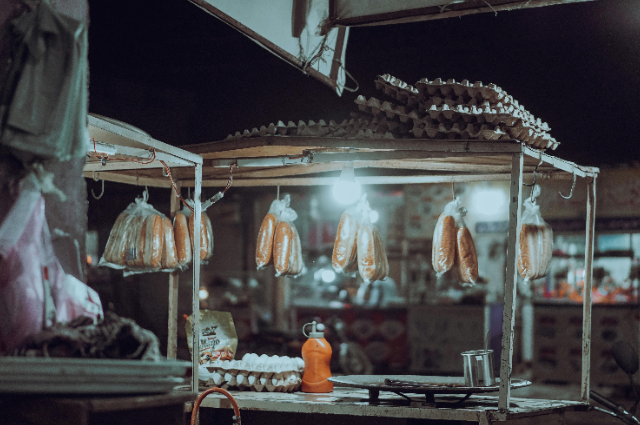
If you walk through the narrow lanes of Old Delhi or the busy markets of Saket today, you might notice something strange. Stalls that have been there for thirty years are suddenly gone. The smell of frying parathas and boiling chai is missing from street corners where it used to be a constant. It isn’t a lack of customers, and it isn’t a change in taste. It’s because the fire has literally gone out.
Delhi is currently facing a massive shortage of commercial LPG (Liquefied Petroleum Gas), and it is hitting the city’s iconic street food culture where it hurts the most. While big restaurants can sometimes pivot or absorb costs, the small-scale vendors, the backbone of Delhi’s food scene, are fighting just to keep their stoves burning.
You might wonder how a conflict thousands of miles away could stop a man from selling samosas in Sangam Vihar. The reality is that India imports about 60% of its LPG, with a huge chunk of those shipments coming from the Middle East. With current disruptions in shipping routes through the Strait of Hormuz, the supply chain has snapped. The government has tried to protect households by prioritising domestic gas, but this has left commercial users, especially street vendors, in a desperate scramble.
In early March 2026, the price of a commercial cylinder in Delhi was officially around ₹1,884, but "official" prices don't mean much when the shelves are empty, and the waiting lists are weeks long.
For a street vendor, no gas means no business. This desperation has fueled a massive black market. Reports have emerged of vendors being asked to pay anywhere from ₹4,000 to ₹5,000 for a single cylinder just to stay open for the week. To put that in perspective, a paratha seller near PVR Saket might support a family of eight plus three or four workers. If they pay ₹4,000 for fuel, they have to double their prices. But street food isn't fine dining; if a ₹20 plate of chhole bhature suddenly costs ₹40, the customers simply walk away. They can’t afford it, and the vendor can’t afford to keep the stove cold.
The crisis is forcing vendors into impossible choices. Some have started cutting their menus, removing anything that requires long hours of slow cooking. Others have tried to switch to electric induction, but that requires a stable power connection and expensive new utensils that many roadside stalls just don't have. In some parts of the city, there is a worrying return to older, more polluting fuels like wood or coal.
However, with Delhi’s strict pollution laws, this is a risky move that could lead to heavy fines or the permanent seizure of their carts.
For iconic spots like the chur chur naan vendors in Paharganj or the small kebab stalls in Shahdara, the uncertainty is exhausting. Many are simply folding up their carts and looking for daily manual labour jobs until the gas crisis blows over. This isn't just about a missing snack; it’s about a massive ecosystem of livelihoods. When one stall closes, it’s not just the owner who loses out. It’s the worker who migrated from a village to send money home, the vegetable supplier, and the thousands of office workers and students who rely on these stalls for affordable daily meals.
Delhi’s street food is the city’s soul. It is the one thing that brings everyone, from CEOs to labourers, to the same sidewalk.
If the LPG shortage continues, we might find that when the gas finally returns, many of these iconic spots will have vanished for good. The real question for Delhi right now isn't what’s for lunch, but whether the people who cook it can afford to stay in business until the next shipment arrives.
It is a quiet crisis, but one that threatens to change the map of the city's culture forever.
References:
- https://www.hindustantimes.com
- https://m.economictimes.com
- https://indianexpress.com
- https://www.millenniumpost.in