
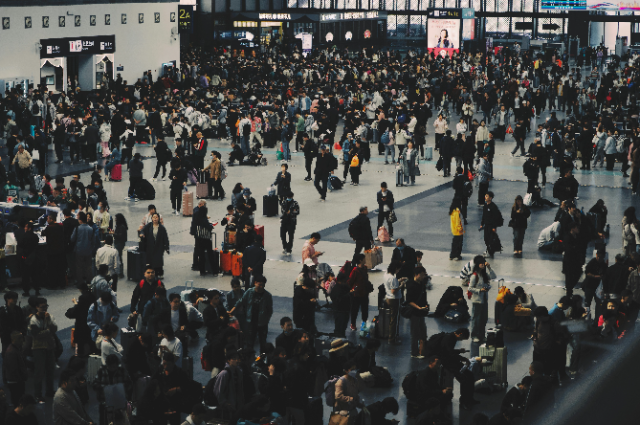
]The collapse of Dubai International Airport (DXB) during the height of the 2026 regional conflict was not just a logistical failure; it was a humanitarian crisis hidden behind glass walls and duty-free counters.
When the airport went dark following the abrupt closure of several key air corridors across the Middle East, an estimated 200,000 travellers found themselves caught in a high-stakes limbo.
Unlike the organised repatriations seen during the pandemic, these passengers were stranded in a region where the geopolitical map was shifting every hour. The airport, usually a symbol of hyper-efficient globalism, suddenly transformed into a purgatory for a diverse cross-section of humanity, ranging from wealthy vacationers to the invisible migrant workforce that keeps the Gulf running.
The scale of the crisis was compounded by a complete breakdown in airline accountability.
As nations declared no-fly zones, carrier after carrier invoked force majeure clauses, effectively washing their hands of any legal responsibility to provide food, water, or lodging.
For the nearly 80,000 migrant workers caught in the terminal, mostly from South Asia and Southeast Asia, the situation was particularly dire. Many were travelling on one-way tickets back home after their contracts ended, and with their work visas already cancelled and their meagre savings exhausted on expensive airport meals, they became effectively stateless. They slept on flattened cardboard boxes in Terminal 2, far from the cameras that documented the frustrations of the business class passengers in Terminal 3.
What made the 2026 Dubai crisis unique was the Digital Darkroom effect. With the airport's infrastructure under extreme strain and cybersecurity protocols locked down due to the nearby conflict, internet access for passengers became sporadic.
Families outside the UAE were left in a terrifying silence, unable to reach loved ones for days.
Within the terminals, a makeshift society began to form. Without official evacuation plans from their respective embassies, many of which were overwhelmed by the broader war effort, passengers began organising their own food distribution and embassy corners using handwritten signs. They were trapped in a legal no man's land; they couldn't enter Dubai because their transit visas didn't allow it, and they couldn't leave because the sky was closed.
By the time the first humanitarian corridors were opened, nearly two weeks later, the physical and psychological toll was evident. The stories coming out of DXB told of elderly passengers running out of life-sustaining medication and parents using bottled water to mix baby formula in bathroom sinks. The event exposed a chilling reality of our modern, hyper-connected world, that the global travel hubs we rely on are incredibly fragile.
When the machinery of war grinds the gears of international travel to a halt, the individual traveller is often the first to be erased from the priority list.
The 200,000 stranded in Dubai serve as a haunting reminder that in the face of global conflict, even the world's most luxurious airport can become a cage.
References:
- https://www.aljazeera.com
- https://www.reuters.com
- https://www.nytimes.com
- https://www.bbc.com
- https://www.hrw.org