
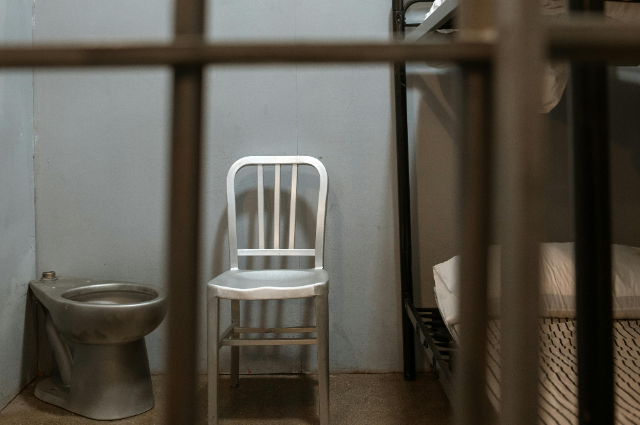
On May 12, 2026, Hyderabad’s historic Chanchalguda Central Jail opened its iron-grilled doors to the public for an experimental dark tourism initiative titled “Jail Anubhavam”, or the "Feel the Jail" program.
Inaugurated by Telangana Governor Shiv Pratap Shukla alongside Director General of Prisons Soumya Mishra, the paid simulation allows ordinary citizens to voluntarily experience the stark realities of incarceration for a fee of ₹1,000 for 12 hours or ₹2,000 for a full day.
Participants surrender all communication devices, don standard prison attire, sleep in sparse, well-ventilated tourist barracks separated from the actual inmate population by heavy iron grills, and consume the exact meals served to regular prisoners.
The experiential project was launched in tandem with the newly established Telangana Prisons Museum at the State Institute of Correctional Administration, making it the fifth dedicated jail museum in India.
The museum exhibits artefacts tracing punishment methods from the Nizam era to modern times, including historic shackles, chains, gallows, and a dedicated gallery documenting how prisoner labour was utilised to build the landmark Nagarjuna Sagar Dam between 1961 and 1968.
While prison officials advocate for the initiative as a powerful deterrent and educational tool designed to foster civic responsibility and generate dedicated funds for inmate rehabilitation, the program has ignited a profound socioeconomic debate across the country.
Legal experts and civil rights advocates point out a fundamental psychological flaw in the simulation: the voluntary participants retain the absolute privilege of knowing exactly when their confinement ends.
Critics argue that the demographic paying up to ₹2,000 for a night of curated deprivation represents a comfortable middle class, whereas India’s actual prison population remains overwhelmingly poor, lower caste, and legally unconvicted.
With national prison occupancy rates hovering around 131%, nearly 74% of all inmates across India are undertrials who have not been found guilty of any crime but remain trapped in overcrowded facilities simply because they cannot afford legal aid or bail.
Consequently, the core tension of the Chanchalguda initiative rests on whether a transactional taste of systemic restriction will inspire citizens to advocate for systemic bail reform and speedier trials, or if it merely commodifies a deep-seated institutional crisis into an anecdotal evening of middle-class thrill seeking.
References:
- https://www.thehindu.com
- https://supremetoday.ai
- https://lawstreet.co
- https://www.ptinews.com
- https://www.youtube.com