
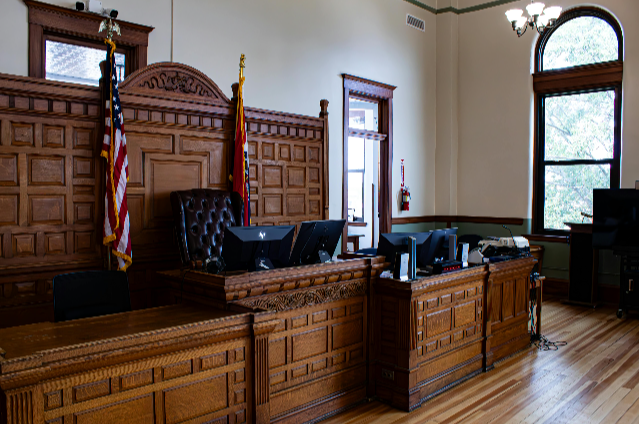
The case of Deep Rai is a visceral, heartbreaking reminder of the quiet crisis unfolding every day in the hallways of the Indian judiciary.
When a simple neighbourhood dispute from 1992 takes until 2026 to reach a verdict, we aren't looking at the wheels of justice turning slowly; we are looking at a system in structural collapse. By the time the gavel finally fell, the accused was an eighty-four-year-old man, four co-accused were already in their graves, and a lifetime of anxiety had consumed both sides of the courtroom.
This isn't justice, it's an administrative postscript to a tragedy.
The true indictment of this timeline is that it is entirely dependent on class. In India's legal landscape, time is a commodity that can be bought. The wealthy do not spend thirty-three years waiting for a trial court verdict. For the affluent and the politically connected, deep pockets secure elite legal counsel who understand exactly how to weaponise the procedural machinery. They use endless petitions for tracking, strategic health emergencies, and bureaucratic adjournments to push trials into a state of permanent suspension, effectively exhausting the state or the victim long before a verdict can ever be reached.
Meanwhile, the poor are crushed by the sheer financial attrition of the process, trapped as undertrials or forced into ruinous debt just to pay for basic representation, transport to distant courts, and administrative fees year after year.
This stark disparity breeds a profound sense of learned helplessness within society. When ordinary citizens witness powerful individuals accused of massive financial scams, physical violence, or systemic corruption walking free on perpetual bail while an ordinary elderly man faces a three-decade delay over a neighbourhood altercation, the collective public consciousness shifts from active outrage to a weary, cynical acceptance. The institutional normalisation of these delays has conditioned people to view a broken legal system not as a malfunction to be reformed, but as an unavoidable tax on existence.
This systemic apathy is further weaponised by political, caste, and religious polarisation. Rather than uniting to demand structural judicial reforms, increased judge-to-population ratios, or streamlined procedural codes, the public is routinely divided along identity lines.
Tribal loyalty to political figures ensures that when a powerful leader faces legal scrutiny, their supporters rush to defend them blindly, viewing the judicial process entirely through the lens of a political witch hunt rather than an assessment of accountability.
Genuine systemic criticism is frequently dismissed or labelled as an attack on the state itself, ensuring that the structural flaws remain untouched.
Ultimately, the story of this thirty-three-year trial is a mirror reflecting a deeply unsettling truth, in a system where wealth dictates the speed of the law, the scale of justice will always tilt against those who lack the means to balance it.
References :
- https://indiankanoon.org
- https://www.indiatoday.in
- https://www.casemine.com
- https://www.republicworld.com