
The case of the Dokadia family in Mumbai is a haunting example of how a routine family dinner can vanish into a deep, forensic mystery.
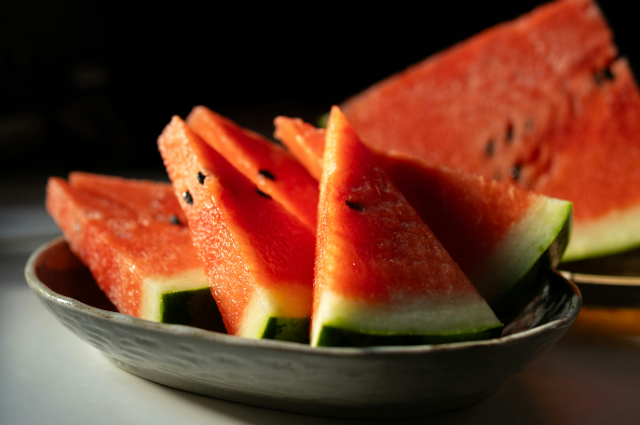
On the night of April 25, 2026, Abdullah Dokadia, a mobile accessories trader, hosted five relatives for a biryani feast at their Ghari Mohalla residence. While the guests left satisfied and healthy, the four members of the Dokadia household, Abdullah, his wife Nasreen, and their two teenage daughters, reportedly consumed a watermelon at 1 am. Within four hours, they were all battling severe vomiting and rapid physical deterioration.
By the time they reached Sir JJ Hospital, the watermelon death case had already begun to capture the city's attention, but the truth proved to be far more sinister than a spoiled fruit.
As the investigation into the four deaths progressed, the food poisoning narrative began to crumble.
Initial tests by the Maharashtra Food and Drug Administration (FDA) on the leftover watermelon, biryani, and water samples found no signs of bacterial infection or common adulterants like synthetic dyes or sweeteners.
The medical findings from the autopsy were even more disturbing. Doctors discovered that the victim's internal organs, including the brain and heart, had turned a distinct shade of green. This unusual colouration, combined with the extreme speed at which all four family members died, steered the Special Investigation Team (SIT) toward a theory of deliberate poisoning rather than a tragic accident.
The discovery of traces of morphine in Abdullah Dokadia's system has added a chilling layer to the case.
Investigators are now exploring whether this potent substance was used as a catalyst or a mask for a more lethal toxin.
This shift has forced the police to look beyond the kitchen and into Abdullah’s professional life. As a key witness in a high-profile criminal case involving a powerful real estate developer, Abdullah may have been a target. The theory being probed is that the family’s food, perhaps the watermelon itself, or something else they consumed after the guests left, was intentionally spiked with a toxic substance that the FDA’s standard tests weren't designed to catch.
Today, the Null Bazar area, where the fruit was allegedly purchased, remains under a cloud of suspicion, though the specific vendor has yet to be identified.
The forensic lab in Kalina is currently running a comprehensive poison database search to identify the exact chemical that turned the family's organs green.
For the relatives who left that night and the ones who watched the ambulances arrive, the case is a terrifying reminder that some motives are so dark they can hide in plain sight, even in the sweetness of a summer fruit.
Until the final toxicology report is released, the Dokadia case remains a silent crime, a story of a family caught between a shared meal and a motive that nobody was supposed to name.
References:
- https://www.thehindu.com
- https://m.economictimes.com
- https://indianexpress.com
- https://www.ndtv.com
- https://www.news18.com