
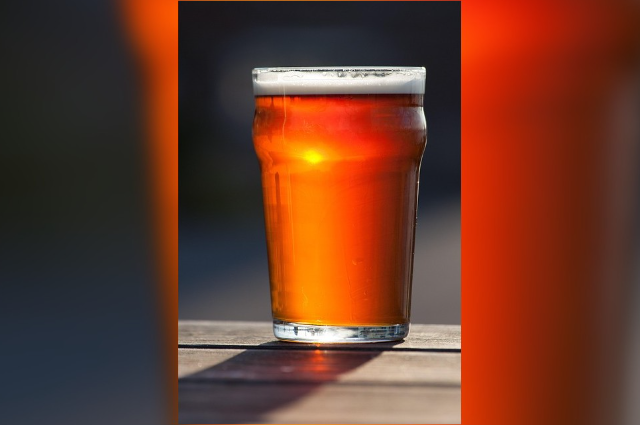
Image by Stefan Schweihofer from Pixabay
Why Alcohol Strength Matters
Alcohol has accompanied human civilisation for thousands of years, woven into rituals, medicine, trade, and everyday social life. From early fermented beverages made from grains and fruits to today’s carefully distilled spirits, alcohol has served many roles: a source of pleasure, a social lubricant, a preserved calorie source, and even a form of currency and medicine. As societies evolved, so did the need to understand not just what people were drinking, but how strong those drinks were. The strength of alcohol has always mattered because it directly influences intoxication, safety, economic value, and health.
Measuring alcohol strength became especially important with the rise of large-scale trade and taxation. Governments needed reliable methods to tax spirits fairly, merchants needed standards to price and transport goods, and physicians required consistency to prescribe alcohol for medicinal purposes. Over time, systems for measuring alcohol content shaped drinking customs, legal definitions of intoxication, and social expectations around responsible consumption. What began as crude tests—such as igniting alcohol-soaked gunpowder—eventually developed into precise scientific measurements.
Today, alcohol strength is most commonly expressed as Alcohol by Volume (ABV) or proof. ABV refers to the percentage of pure ethyl alcohol present in a beverage by volume, providing a direct and internationally recognised measure of strength. Proof, a historical system still used in some countries, represents alcohol strength on a scaled value that varies by region, most notably in the United States and former British systems.
In the modern world, understanding alcohol strength remains highly relevant. Drinking culture continues to evolve, regulations govern labelling and sales, and public health research increasingly highlights the risks associated with alcohol consumption. For consumers, knowing what ABV and proof mean allows for informed choices—helping individuals better understand how much alcohol they are actually consuming and why those numbers matter far beyond the label on the bottle.
The Origins of Alcohol Measurement
Long before the development of modern chemistry and precise instruments, societies still needed ways to judge the strength of alcoholic beverages. In early civilisations, alcohol was assessed largely through sensory perception—taste, smell, and the immediate physiological effects of drinking. A stronger spirit was identified by its burning sensation or rapid intoxicating effect, but such methods were subjective and unreliable. As distillation techniques improved in medieval Europe and spirits became more concentrated, the limitations of these informal assessments became increasingly apparent.
One of the most famous early methods of alcohol testing was the gunpowder test, used primarily in England from the 16th century onward. Merchants would soak gunpowder in a sample of spirit and attempt to ignite it. If the mixture burned with a steady flame, the alcohol was considered “above proof,” indicating sufficient strength. If it failed to ignite, it was deemed “under proof” and considered diluted. While crude, this method offered a practical solution in an era without scientific tools and helped establish a shared understanding of acceptable alcohol strength for trade and taxation.
As European powers expanded through colonial trade, the need for standardised alcohol measurement grew. Rum, brandy, and other spirits became major commodities, especially in transatlantic commerce. Alcohol was not only consumed but also used as a form of payment for labour and military provisions. Different regions developed their own traditions and benchmarks for strength, reflecting local customs and technological capabilities. However, inconsistencies between systems often led to disputes, fraud, and economic inefficiencies.
Governments soon recognized that accurate alcohol measurement was essential for effective administration. Tax revenue from spirits became a significant source of income, particularly during wartime. Precise measurement also ensured product safety, reducing the risk of dangerously adulterated alcohol, and helped maintain consistent supplies for naval and military forces, where alcohol was issued as part of daily rations. These economic, political, and practical pressures laid the foundation for the formal proof systems that would later emerge, marking a critical step toward modern alcohol regulation and scientific standardisation.
Evolution of the British Proof System
The British proof system represents one of the earliest attempts to formally standardise the measurement of alcohol strength using scientific principles rather than subjective testing. As distilled spirits became increasingly important to the British economy in the 18th and early 19th centuries, the government faced mounting pressure to establish a reliable and enforceable method for taxation. Informal techniques such as the gunpowder test were no longer sufficient for a growing commercial and imperial system that demanded precision, fairness, and consistency.
In 1816, British authorities introduced a legally defined standard known as proof spirit. Under this system, a spirit was classified as 100 proof if it weighed exactly 12/13 as much as an equal volume of distilled water at a specified temperature of 51°F (11°C). This definition was based on the concept of specific gravity, a measurable physical property that compares the density of a liquid to that of water. Because alcohol is less dense than water, a spirit containing more alcohol weighs less per unit volume. The 12/13 ratio was carefully chosen because it reliably represented a spirit with an alcohol concentration of approximately 57.06 percent alcohol by volume, a level that matched the traditional “proof” strength previously determined by the gunpowder method.
To enforce this standard, British authorities adopted the use of hydrometers, precision instruments capable of measuring the specific gravity of liquids. Customs officials could now test spirits accurately and consistently, reducing fraud and ensuring proper taxation. This scientific approach allowed alcohol to be classified as overproof or underproof, with taxes adjusted according to how much stronger or weaker a spirit was compared to the legal benchmark. Over time, this system became deeply embedded in British law and commerce.
The proof system was further reinforced by legislation, most notably the Customs and Excise Act of 1952, which formally reaffirmed the definition of proof spirit and standardised enforcement practices. By this point, British proof had become a cornerstone of alcohol regulation not only within the United Kingdom but also across its extensive colonial territories. Countries throughout the British Empire adopted similar measurement standards, shaping global alcohol trade and influencing labelling practices for generations.
Despite its historical importance, the British proof system gradually became outdated in a world moving toward international scientific standardization. As global trade expanded and metric systems gained prominence, Alcohol by Volume (ABV) emerged as a clearer and more universally understood measurement. In 1980, the United Kingdom officially replaced proof with ABV for alcohol labelling, marking the end of a centuries-old system and the transition to a modern, globally consistent approach to measuring alcohol strength.
The American System: Proof Equals Twice the ABV
The United States adopted a proof system that was deliberately simpler than the older British model, reflecting both practical needs and a different regulatory philosophy. As the young nation expanded in the late 18th and early 19th centuries, alcohol production and trade grew rapidly, particularly with the rise of whiskey distillation on the frontier. Regulators needed a system that could be easily understood, consistently applied, and enforced without complex calculations or specialised scientific training. The British proof standard, based on specific gravity and temperature corrections, was considered cumbersome for widespread use in a rapidly developing commercial environment.
To address this, the United States standardised proof in a more direct way: 100 proof was defined as a spirit containing exactly 50 percent alcohol by volume. From this definition came the simple rule that is still used today—proof equals twice the ABV. Under this system, a spirit labelled as 80 proof contains 40 percent alcohol, while a 100-proof spirit contains 50 percent alcohol. This straightforward relationship made alcohol strength easier to calculate, label, and communicate to both producers and consumers.
The adoption of this system had a lasting impact on alcohol labelling and consumer understanding in the U.S. Bottles prominently display proof numbers, often alongside ABV, allowing buyers to quickly compare products. For the liquor industry, this clarity simplified production standards and compliance with federal regulations. Distillers could market products with confidence that consumers would recognize the numerical indicators of strength, reinforcing consistency across brands and categories.
Proof also became a powerful marketing tool. Higher proof numbers often suggest intensity, quality, or authenticity, particularly in categories such as bourbon, rye whiskey, rum, and overproof spirits. Terms like “100 proof” or “barrel proof” carry strong associations with bold flavour and traditional craftsmanship. However, this marketing emphasis can blur the line between perception and reality. While higher-proof spirits do contain more alcohol, they are not inherently superior in quality, nor do they necessarily produce a better drinking experience. Flavour balance, production method, and responsible consumption matter just as much as numerical strength.
In modern drinking culture, the American proof system continues to shape how consumers think about alcohol. Many people equate higher proof with being “stronger” or more potent, without fully accounting for serving size or drinking pace. Understanding that proof is simply a numerical expression of alcohol concentration—not a direct measure of intoxication—remains essential for making informed and responsible choices.
Scientific Basis of Alcohol Measurement
The measurement of alcohol strength is grounded in fundamental principles of physics and chemistry, particularly the behaviour of alcohol–water mixtures. Ethyl alcohol (ethanol) and water form a uniform solution, but they differ significantly in physical properties such as density and boiling point. Ethanol is less dense than water and evaporates at a lower temperature, characteristics that make it possible both to concentrate alcohol through distillation and to measure its proportion within a liquid using physical instruments. Understanding these properties is essential to appreciating how alcohol content is accurately determined.
A key concept in alcohol measurement is specific gravity, which refers to the ratio of the density of a liquid compared to the density of pure water at a defined temperature. Water is assigned a specific gravity of 1.000, while ethanol has a lower specific gravity of approximately 0.789 at standard conditions. When alcohol is mixed with water, the resulting solution becomes lighter than water alone, and its specific gravity decreases as alcohol concentration increases. By measuring this change in density, it becomes possible to estimate the proportion of alcohol present in a beverage.
This principle is applied through instruments such as hydrometers and alcoholmeters. A hydrometer is a calibrated glass device that floats in a liquid; the depth to which it sinks indicates the liquid’s density. Alcoholmeters are specialized hydrometers designed specifically for alcohol–water solutions, with scales that directly display alcohol concentration. However, these instruments are only accurate at a specific index temperature, because density varies with temperature. Historically, different countries adopted different reference temperatures, such as 51°F (11°C) in Britain or 60°F (15.6°C) in the United States.
Temperature correction is therefore critical in alcohol measurement. As temperature increases, liquids expand and become less dense, causing hydrometers to sink further and potentially overestimate alcohol content. Conversely, colder liquids appear denser and may underestimate alcohol concentration. To ensure accuracy, measurements must either be taken at the index temperature or adjusted using correction tables or formulas. Without temperature correction, alcohol readings can deviate significantly, leading to errors in labelling, taxation, and quality control.
The science of alcohol measurement is closely linked to distillation, the process that allows alcohol to be concentrated in the first place. Ethanol boils at approximately 78.4°C, while water boils at 100°C. When a fermented liquid is heated, alcohol vaporises first, allowing it to be separated and condensed into a more concentrated form. Repeated or controlled distillation increases alcohol strength, though practical and legal limits apply. This difference in boiling points underlies the production of spirits and directly influences how alcohol strength must be measured.
In modern laboratories, alcohol content is measured with far greater precision using advanced techniques. Methods such as gas chromatography, infrared spectroscopy, and digital density meters allow for highly accurate determination of alcohol concentration, often to fractions of a percent. These technologies are used by regulatory authorities and large producers to ensure compliance with legal standards and product consistency. Together, traditional physical principles and modern analytical science form the foundation of accurate alcohol measurement in the contemporary world.
Understanding ABV in Different Types of Drinks
Alcohol by Volume (ABV) provides a universal way to compare the strength of different alcoholic beverages, regardless of their style or origin. While drinks such as beer, wine, and spirits may appear very different in taste, appearance, and cultural use, ABV reveals how much pure alcohol they contain and helps explain why their effects on the body can vary so widely. The typical alcohol content of a beverage is determined largely by how it is produced and the physical limits of that process.
Beer generally has an ABV ranging from about 2 to 8 percent, with most common lagers and ales falling between 4 and 5 percent. Beer is produced through fermentation, during which yeast converts sugars into alcohol and carbon dioxide. However, yeast becomes less effective as alcohol concentration rises, which naturally limits beer’s strength. Stronger speciality beers exist, but they often require special yeast strains or unconventional techniques.
Wine typically contains 8 to 15 percent ABV, depending on grape variety, climate, and fermentation practices. Grapes naturally contain higher sugar levels than grains, allowing yeast to produce more alcohol before fermentation stops. Fortified wines, such as port or sherry, go a step further by adding distilled spirits during or after fermentation. This process raises their alcohol content to around 15 to 20 percent ABV while also altering flavour and shelf stability.
Spirits, including vodka, rum, whiskey, and gin, usually range from 35 to 50 percent ABV, with some high-proof or “overproof” varieties exceeding these levels. Spirits achieve their strength through distillation, a process that concentrates alcohol by separating it from water based on differences in boiling points. Unlike fermentation, distillation allows producers to surpass natural yeast limitations, making much higher alcohol concentrations possible.
Flavoured spirits and liqueurs introduce additional complexity. While flavoured vodkas or rums often maintain similar ABVs to their base spirit, liqueurs typically contain added sugar, herbs, or creams, which dilute the alcohol content. As a result, liqueurs often have lower ABVs, even though their sweetness can mask the presence of alcohol and make them seem less potent than they are.
To help consumers understand alcohol intake across different beverages, the concept of a standard drink is widely used. A standard drink contains roughly the same amount of pure alcohol, whether it comes from a small shot of spirits, a glass of wine, or a pint of beer. This concept highlights that intoxication depends more on total alcohol consumed than on the type of drink, reinforcing the importance of ABV as a practical tool for informed and responsible drinking.
How the Body Absorbs and Processes Alcohol
Once alcohol is consumed, it begins to affect the body almost immediately. Unlike many nutrients that require digestion, alcohol is absorbed directly into the bloodstream, allowing it to circulate rapidly throughout the body. Understanding how alcohol is absorbed and processed helps explain why different drinks, drinking speeds, and individual characteristics can lead to vastly different levels of intoxication.
Approximately 20 percent of alcohol absorption occurs in the stomach, while the remaining 80 percent takes place in the small intestine. The stomach absorbs alcohol relatively slowly, but once alcohol reaches the small intestine—where the lining is thin and richly supplied with blood vessels—absorption accelerates significantly. This is why drinking on an empty stomach often leads to quicker and more intense intoxication, as alcohol passes rapidly into the intestine without delay.
As alcohol enters the bloodstream, it raises the Blood Alcohol Concentration (BAC), a measure of the amount of alcohol present in the blood. BAC rises as alcohol is absorbed and falls as the body metabolizes and eliminates it. The rate of increase depends on how quickly alcohol is consumed and absorbed, while the rate of decrease is largely fixed. Once absorbed, alcohol distributes evenly across body water, affecting the brain and other organs. Even small increases in BAC can impair judgment and coordination, while higher levels significantly depress the central nervous system.
The body metabolises most alcohol in the liver, primarily through two key enzymes: alcohol dehydrogenase (ADH) and aldehyde dehydrogenase (ALDH). ADH converts ethanol into acetaldehyde, a toxic compound responsible for many unpleasant effects associated with alcohol. ALDH then converts acetaldehyde into acetate, which is further broken down into water and carbon dioxide and used as an energy source. This metabolic pathway is efficient but limited in speed, as enzyme activity cannot increase indefinitely.
Because the liver can process only a certain amount of alcohol per hour, excess alcohol accumulates in the bloodstream, leading to intoxication. On average, the body eliminates alcohol at a relatively constant rate, regardless of how much is consumed. Drinking faster than this metabolic capacity causes BAC to rise, sometimes dangerously. This limitation explains why spacing drinks over time reduces intoxication, while rapid or binge drinking overwhelms the body’s ability to cope.
Several factors influence how quickly alcohol is absorbed and processed. Food in the stomach, especially fatty or protein-rich meals, slows alcohol absorption by delaying gastric emptying. Carbonation can speed absorption by increasing pressure in the stomach. Biological sex plays a role, as women generally have lower body water content and different enzyme activity, often resulting in higher BACs than men after consuming the same amount of alcohol. Age can reduce metabolic efficiency, while body weight affects alcohol dilution in body fluids. Genetic differences, particularly in ADH and ALDH enzymes, can significantly alter alcohol tolerance and susceptibility to adverse effects.
High-proof alcohol elevates BAC more rapidly because it delivers a greater concentration of ethanol in a smaller volume. Stronger drinks require less liquid to consume the same amount of alcohol, increasing the likelihood of rapid intake. Additionally, high alcohol concentrations can irritate the stomach lining, potentially speeding passage to the small intestine. Together, these factors make high-proof beverages especially potent, underscoring the importance of understanding alcohol strength and consumption patterns.
Effects of Alcohol on Brain and Body
Alcohol primarily affects the body by acting as a central nervous system depressant, meaning it slows communication between the brain and the rest of the body. Although alcohol may initially produce feelings of relaxation or excitement, these effects are the result of inhibited brain function rather than stimulation. Alcohol suppresses inhibitory control in the brain first, which explains why people often feel more confident or sociable before experiencing sedation, confusion, or loss of coordination as consumption increases.
In the short term, alcohol impairs judgment and decision-making, reducing the brain’s ability to assess risk and consequences. Reaction time slows, reflexes become less precise, and attention is diminished. These effects can appear even at low levels of consumption. As alcohol intake increases, many people experience euphoria, followed by dizziness, nausea, and fatigue. Alcohol also acts as a diuretic, increasing urine production and leading to dehydration, which contributes to headaches and physical discomfort.
Alcohol significantly affects brain function by interfering with neurotransmitters that regulate mood, movement, and memory. Coordination and balance decline as alcohol disrupts signals between the brain, muscles, and inner ear, increasing the risk of falls and injuries. Speech may become slurred due to impaired muscle control, and memory formation is weakened, sometimes resulting in partial or complete memory blackouts. These effects reflect alcohol’s direct impact on areas of the brain responsible for motor control, language, and short-term memory processing.
Because alcohol reduces inhibition and impairs perception, it plays a major role in accidents and risk-taking behaviors. Driving under the influence remains one of the most serious consequences of alcohol consumption, as slowed reaction time and poor judgment dramatically increase crash risk. Alcohol is also associated with workplace injuries, violence, unsafe sexual behavior, and other high-risk activities. The combination of overconfidence and reduced coordination creates a particularly dangerous situation in both social and physical environments.
After the intoxicating effects wear off, many people experience a hangover, a collection of symptoms caused by alcohol’s biochemical effects on the body. Hangovers result from dehydration, electrolyte imbalance, irritation of the stomach lining, inflammation, and the accumulation of acetaldehyde, a toxic byproduct of alcohol metabolism. Common symptoms include headache, nausea, fatigue, sensitivity to light and sound, thirst, and difficulty concentrating. While the severity of a hangover varies, it serves as a clear reminder of alcohol’s widespread effects on both the brain and the body.
Long-Term Health Risks and Medical Findings
Long-term alcohol consumption, particularly when heavy or frequent, is associated with a wide range of serious health risks that affect nearly every organ system in the body. Among the most well-documented consequences is liver disease, as the liver is the primary site of alcohol metabolism. Chronic drinking can lead to fatty liver disease, in which fat accumulates within liver cells and impairs normal function. Continued exposure can progress to alcoholic hepatitis and ultimately cirrhosis, a condition marked by irreversible scarring that severely compromises the liver’s ability to detoxify the blood, regulate metabolism, and support life.
Alcohol also exerts damaging effects on the cardiovascular system. Long-term heavy drinking increases the risk of high blood pressure, irregular heart rhythms, stroke, and cardiomyopathy, a weakening of the heart muscle that reduces its ability to pump blood effectively. While earlier studies suggested that small amounts of alcohol might offer heart benefits, more recent and comprehensive research has challenged this idea, showing that any potential benefits are outweighed by broader health risks.
Another major concern is alcohol’s role as a carcinogen. Ethanol and its metabolite acetaldehyde are classified as cancer-causing substances. Alcohol consumption increases the risk of cancers of the breast, liver, mouth, throat, oesophagus, and colon, even at relatively low levels of intake. The risk rises with both the amount and duration of alcohol use, and for certain cancers, such as breast cancer, measurable increases in risk occur with as little as one drink per day.
Alcohol also disrupts the body’s hormonal balance and immune function. It interferes with insulin regulation, contributing to blood sugar instability, and alters reproductive hormones, affecting fertility and sexual health. Chronic drinking weakens immune defences, making the body more susceptible to infections and slowing recovery from illness. In the brain, alcohol can exacerbate or contribute to mental health conditions such as depression and anxiety, creating a cycle in which psychological distress and alcohol use reinforce one another.
Prolonged alcohol use can lead to alcohol use disorder, a condition characterised by loss of control over drinking, tolerance, and physical dependence. Withdrawal from alcohol can be dangerous, producing symptoms ranging from tremors and agitation to seizures and delirium. Over time, chronic exposure to alcohol can cause lasting neurological damage, including memory impairment and cognitive decline. As scientific understanding has advanced, a clear consensus has emerged: no level of alcohol consumption is completely risk-free, reinforcing the importance of informed choices and public health awareness.
Cultural, Social, and Religious Contexts of Alcohol Use
Alcohol has played a significant role in human culture for millennia, with its use shaped by local customs, social norms, and religious beliefs. In Europe, drinking—particularly of beer, wine, and spirits—has long been intertwined with daily life, social gatherings, and regional identity. Beer gardens in Germany, wine traditions in France and Italy, and whisky culture in Scotland exemplify how alcoholic beverages can reflect heritage and community. In Asia, alcohol consumption varies widely: countries such as Japan and South Korea have strong drinking cultures linked to business and social bonding, while others, like certain Islamic nations, restrict alcohol entirely due to religious prohibitions. Across the Americas, cultural attitudes range from the celebratory role of tequila and rum in Mexico and the Caribbean to the temperance movements and Prohibition era in the United States, which shaped modern regulatory approaches.
Alcohol also holds ritual and religious significance in many traditions. Wine is central to Christian communion, while certain Hindu and Shinto ceremonies incorporate locally distilled spirits. In Judaism, wine marks Sabbath and holiday rituals, demonstrating how alcohol can carry symbolic meaning beyond its intoxicating effects. Such uses emphasise moderation, reverence, and social cohesion rather than indulgence.
Beyond ritual, alcohol is widely associated with celebrations, hospitality, and identity. Toasts, festivals, and communal drinking foster connection, mark milestones, and reinforce cultural identity. Examples include Oktoberfest in Germany, Día de los Muertos in Mexico with pulque or mezcal offerings, and social gatherings in East Asian drinking culture.
Modern attitudes toward alcohol are evolving. Public health campaigns, research on long-term risks, and legal regulations encourage responsible consumption and moderation. While alcohol remains central to social and cultural life, contemporary trends emphasise awareness of health, informed choices, and balancing tradition with safety, reflecting a global shift in how societies view alcohol use.
Alcohol Laws, Regulation, and Public Safety
Alcohol consumption is regulated worldwide to protect public health, ensure safety, and reduce social harms. One of the most visible forms of regulation is the legal drinking age, which varies across countries. In the United States, the minimum age is 21, while most European nations set it at 18. Some countries, particularly those with religious prohibitions on alcohol, enforce stricter limits or complete bans for the general population. Legal age restrictions are designed to reduce underage drinking, prevent early exposure to alcohol’s harmful effects, and lower the risk of accidents and long-term health issues.
Another key regulatory measure involves blood alcohol concentration (BAC) limits for driving. Most countries enforce strict limits, commonly around 0.05–0.08 percent BAC for non-commercial drivers, with lower thresholds for professional drivers or young drivers. Enforcement relies on roadside testing, including breathalysers and blood tests, and violations carry significant penalties such as fines, license suspension, or imprisonment. These measures are crucial in reducing alcohol-related traffic accidents, which remain a leading cause of injury and death globally.
Health authorities provide guidelines on moderate drinking to help individuals understand safe consumption levels. For example, the U.S. Dietary Guidelines recommend up to one drink per day for women and up to two drinks per day for men. Standard drinks are defined based on ethanol content, allowing comparisons across beer, wine, and spirits. These recommendations aim to minimise risk while acknowledging social and cultural contexts where alcohol is consumed.
Governments also require clear labelling of alcoholic beverages. Bottles must display ABV, and in some countries, proof is still indicated. Labeling helps consumers make informed choices, understand the potency of beverages, and manage intake responsibly. In addition, high-proof alcohol is often subject to stricter controls, including higher taxes, limited retail availability, and special warnings, due to its increased risk for rapid intoxication and abuse.
Finally, public health campaigns and international guidelines, such as those from the World Health Organisation (WHO), promote awareness of alcohol-related risks, encourage moderation, and provide frameworks for national alcohol policies. These campaigns highlight the dangers of excessive drinking, including liver disease, accidents, and social harms, reinforcing the importance of regulation and education in safeguarding both individual and public health.
Modern Trends: High-Proof Spirits, Craft Drinks, and Consumer Perception
In recent decades, the alcohol industry has seen a significant rise in craft distilleries that emphasise the quality, uniqueness, and strength of their products. These small-scale producers often highlight proof as a marker of authenticity, tradition, or bold flavour. Craft spirits—whether bourbon, rye, gin, or rum—frequently feature higher proof options, appealing to enthusiasts who appreciate both the taste and the potency of concentrated alcohol.
High-proof and “overproof” spirits have also gained popularity among consumers seeking intense flavour experiences or a more pronounced alcohol kick. Examples include 100-proof bourbons, 151-proof rums, and barrel-proof gins, which are often marketed as premium, artisanal, or adventurous choices. These products attract attention for their potency, heritage, or novelty, and they often serve as centrepiece items in bars, tastings, and speciality collections.
The marketing of high-proof spirits relies heavily on psychology, as numerical proof conveys strength, power, and authenticity. Brands use bold labels and descriptors to suggest superiority, craftsmanship, or intensity, creating a perception that higher-proof spirits are inherently “better” or more desirable. This strategy taps into consumer fascination with extremes and exclusivity, reinforcing the idea that proof matters beyond its technical definition.
However, consumer perceptions can be misleading. Higher proof does not necessarily mean higher quality or a more enjoyable drinking experience. Intoxication depends on the total alcohol consumed, not simply the proof of a single pour. Additionally, flavour balance, ageing, and production techniques often play a more important role in the drinking experience than sheer strength. Educating consumers about proof helps demystify these misconceptions, encouraging informed choices while maintaining appreciation for craftsmanship, tradition, and responsible enjoyment.
Conclusion: Why Understanding Proof Empowers Safer Choices
Understanding alcohol strength is far more than a technical curiosity; it has profound implications for health, culture, and everyday decision-making. The measures of ABV and proof provide critical information about how much ethanol a beverage contains, guiding consumers in making safer and more informed choices. Recognising that alcohol is absorbed quickly, metabolised at a limited rate, and capable of affecting the brain, body, and behaviour underscores the importance of respecting these numbers rather than relying on perception or habit alone.
Key takeaways highlight the interconnectedness of science and society: ABV and proof quantify alcohol concentration, helping compare beers, wines, and spirits; metabolism explains why effects vary based on sex, age, body weight, and drinking patterns; and health research illustrates that both short- and long-term risks—from impaired coordination to liver disease and cancer—must be considered. Alcohol also intersects with culture, ritual, and social identity, reinforcing the need to balance enjoyment with responsibility.
By understanding proof, consumers gain the tools to drink responsibly, control intake, and avoid unintended consequences. Awareness empowers moderation, informs decisions about driving or combining alcohol with other substances, and encourages consideration of personal health factors. Knowledge also fosters respect for legal limits, public safety guidelines, and cultural norms. Ultimately, understanding alcohol strength equips individuals to engage with drinking in a way that is both enjoyable and safe, reinforcing that education, awareness, and responsibility are as important as taste, tradition, or marketing in shaping a positive relationship with alcohol.
References
- https://www.britannica.com
- https://www.britannica.com
- https://www.britannica.com
- https://www.britannica.com
- https://en.wikipedia.org
- https://en.wikipedia.org
- https://www.healthline.com
- https://en.wikipedia.org