
Introduction
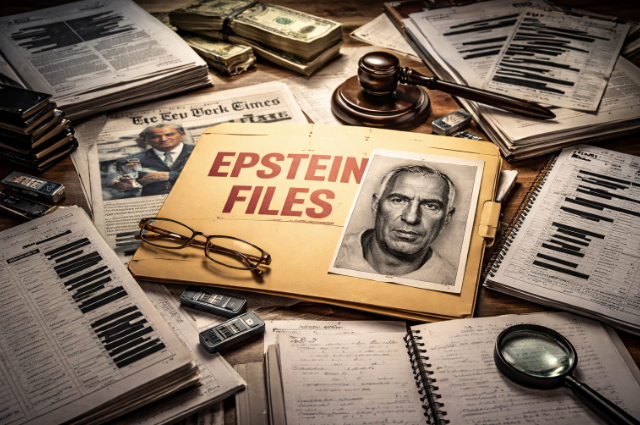
In late December 2025, the U.S. Department of Justice released thousands of additional pages from its investigative files on Jeffrey Epstein, the financier convicted of sex crimes against minors whose death in 2019 left a trail of unresolved questions. These documents—drawn from federal probes, court filings, and estate records—offer a window into a decade-spanning pattern of exploitation, shielded by wealth and influence. As per the Epstein Files Transparency Act, signed into law by President Trump in November 2025, the releases include flight logs, emails, and redacted witness statements, but with heavy redactions to protect victims and ongoing sensitivities. This article draws exclusively from court documents, government disclosures, and reports by established outlets like NPR, The New York Times, and the BBC, presenting a neutral chronology of verified events. It distinguishes proven facts from allegations, underscoring the case's role in exposing systemic vulnerabilities in justice and power structures.
Chronological Narrative of Events
The documented history of Epstein's crimes begins in the early 2000s, rooted in his rise as a financier catering to ultra-wealthy clients. By 2002, federal records later confirmed that Epstein had begun abusing underage girls, often under the guise of offering massages at his Palm Beach mansion. The first formal investigation was launched on March 14, 2005, when Palm Beach police responded to a report from the parents of a 14-year-old girl who alleged Epstein paid her for sexual acts. Over the following months, detectives identified at least 14 victims, many as young as 14, who described similar encounters involving Epstein and unnamed associates.
By July 19, 2006, a Palm Beach grand jury indicted Epstein on a single state felony count of solicitation of prostitution—a charge critics, including the lead detective, deemed insufficient given the evidence of serial abuse. The case escalated federally when local authorities referred it to the FBI, which dubbed the probe "Operation Leap Year." In May 2007, prosecutors drafted an indictment for up to 60 counts, including sex trafficking, based on victim interviews and physical evidence from Epstein's properties.
However, negotiations shifted the trajectory. On July 27, 2007, Epstein's legal team, including high-profile attorneys, met with U.S. Attorney Alexander Acosta's office in Florida's Southern District. The result was a controversial non-prosecution agreement (NPA), sealed from public view, granting Epstein and potential co-conspirators immunity from federal charges in exchange for a state plea. On June 30, 2008, Epstein pleaded guilty to two state charges: solicitation of prostitution and solicitation from a minor. Sentenced to 18 months, he served just 13 in a county jail with work-release privileges, allowing 12-hour daily outings. He registered as a sex offender upon release on July 22, 2009.
Civil actions persisted. In 2008, a victim known as "Jane Doe" sued under the Crime Victims' Rights Act, alleging exclusion from the plea process—a claim validated in 2019 when U.S. District Judge Kenneth Marra ruled the NPA violated federal law by denying victims notice and input. Epstein settled multiple lawsuits with victims by 2010, paying undisclosed sums from a $50 million victims' fund he established.
Renewed scrutiny emerged in 2015 with Virginia Giuffre's defamation suit against Ghislaine Maxwell, Epstein's longtime associate, whom Giuffre accused of facilitating abuse. The case settled in 2017, but motions by journalists, including Julie K. Brown's from the Miami Herald, sought unsealing. Brown's November 2018 series, "Perversion of Justice," detailed the 2008 deal's leniency and victim testimonies, reigniting federal interest.
Epstein's second arrest came on July 6, 2019, in New York, on federal sex-trafficking charges involving dozens of minors from 2002 to 2005. Prosecutors alleged a pyramid scheme where victims recruited others. Epstein died by suicide on August 10, 2019, in a Manhattan jail cell, as ruled by the New York City medical examiner following an autopsy and investigation—despite persistent, unsubstantiated conspiracy theories. The criminal case closed, but civil suits and Maxwell's probe advanced.
Maxwell was arrested in July 2020 and, after a 2021 trial, convicted on December 29 of five counts, including conspiracy to entice minors for illegal sex acts. She was sentenced to 20 years in June 2022. Appeals, including to the Supreme Court in 2025, were denied, upholding the verdict.
Document releases accelerated post-2019. In January 2024, over 900 pages from the Giuffre-Maxwell suit were unsealed, naming associates like Bill Clinton and Prince Andrew but revealing no new criminal evidence against them—many mentions were contextual or denied. The 2025 Transparency Act prompted phased DOJ disclosures: February's "Phase 1" included 200 pages of flight logs showing Clinton's 17 trips on Epstein's jet (post-presidency, foundation-related) and Trump's seven in the 1990s; November batches added 23,000 estate pages with emails involving figures like Larry Summers; and December's 110,000+ documents featured redacted photos and correspondence, but no comprehensive "client list."
Explanation of Systems, Networks, and Institutional Failures
Epstein's network, as detailed in court filings, leveraged private jets, island retreats, and elite social circles to facilitate abuse, but proven involvement beyond Epstein and Maxwell remains limited to allegations. Flight logs and address books list contacts including politicians, scientists, and celebrities, yet official statements emphasise these as social ties, not criminal complicity.
The starkest institutional lapse was the 2008 NPA, which a 2020 Justice Department review deemed "poor judgment" for sidelining victims and shielding co-conspirators. Acosta, who resigned as Labour Secretary in 2019 amid backlash, testified in 2025 congressional hearings that the deal aimed to ensure some accountability, but critics, including victims' advocates, highlighted how it bypassed grand jury indictments and federal trafficking statutes. A 2019 ruling confirmed prosecutors' failure to notify victims breached the Crime Victims' Rights Act, eroding trust in the Southern District of Florida's handling. Broader failures included jail oversight—Epstein's 2019 suicide followed lapses in monitoring—and delayed FBI follow-ups on 2006 referrals. These exposed how wealth can influence prosecutorial discretion, as noted in a 2020 Office of Professional Responsibility report, finding no criminal misconduct but significant procedural errors.
Impact on Victims and Society
Court testimonies and victim impact statements reveal profound trauma: survivors described isolation, shame, and long-term mental health struggles, with many forgoing education or careers. At least 80 women received compensation from Epstein's estate by 2021, but as one 2019 New York Times report detailed, five key accusers pushed for extended statutes of limitations on civil claims, arguing financial remedies alone were insufficient for systemic change.
Societally, the case amplified #MeToo, spotlighting elite impunity and gender-based violence. As a 2025 Guardian analysis noted, Epstein's abuses reflect a global epidemic— a U.S. rape every 68 seconds, intimate partner violence every nine—where powerful networks normalise exploitation. It prompted reforms like New York's 2020 Adult Survivors Act, allowing expired claims, and fueled congressional pushes for transparency, fostering public discourse on accountability without descending into partisan blame.
Legal Developments and Investigative Outcomes
Post-Epstein's death, Maxwell's conviction marked a key win, with prosecutors proving her role in recruiting and grooming victims from 1994 to 2004. The 2025 releases, although voluminous, disappointed advocates due to their redactions—over 50% of pages in some batches—citing concerns over victim privacy and national security. No new indictments have emerged, and a July 2025 DOJ memo affirmed Epstein's suicide and absence of a formal client list. Civil suits continue, including Giuffre's settled claims against Prince Andrew in 2022.
Unanswered Questions
Despite disclosures, gaps persist. Court records hint at unnamed "co-conspirators" in the 2008 NPA, but no identities have been charged. Questions linger on Epstein's full financial web—did donors like Les Wexner knowingly enable operations?—and jail protocols that allowed his death. As the BBC reports from December 2025, note, the absence of explicit trafficking evidence against named elites fuels speculation, though officials stress ongoing reviews may yield more. Victims' groups call for unredacted probes into institutional enablers.
Conclusion: Toward Accountability and Reflection
The Epstein files, pieced together from public records, chronicle not just one man's crimes but a cautionary tale of delayed justice. They underscore the need for robust victim protections, transparent prosecutions, and vigilance against influence peddling. As 2025 closes with partial releases, the focus shifts to implementation: ensuring disclosures drive policy, not division. Awareness of these facts honours survivors, urging society to fortify safeguards against exploitation.
Disclaimer
This article is based solely on publicly available court documents, government releases, and verified journalistic reports as of December 31, 2025. It reflects ongoing investigations and does not imply guilt beyond judicial findings. Readers are encouraged to consult primary sources for full context.