
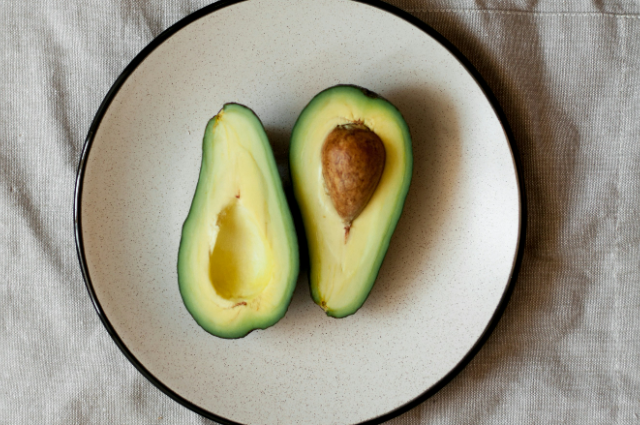
You’ve seen it. A slab of sourdough, neatly sliced avocado, a sprinkle of chilli flakes—clean, simple, camera-ready. It shows up everywhere: brunch menus, reels, “what I eat in a day” posts. Avocado stopped being just food a while ago. It became a signal. You’re eating well. You’re taking care of yourself. You’re doing it right.
But here’s the uncomfortable part—none of this is new. Not the nutrition. Not even the idea of eating something fresh, plant-based, and filling. What’s new is the attention. Because in a lot of places, including the Philippines, we’ve always had our own version of “superfood.” We just never called it that.
When “healthy” starts to look imported, there’s a subtle shift that happens when food trends go global. Suddenly, what counts as healthy starts to come with a certain look—usually Western, usually aesthetic, usually a little out of reach. Avocado fits that perfectly. It’s mild, photogenic, and easy to pair with everything. But more than that, it was packaged well. Wellness culture picked it up, influencers made it aspirational, and now it carries this quiet message: this is what taking care of yourself looks like.
The problem is, once that idea settles in, everything else starts to feel… less. Malunggay? Too ordinary. Kamote? Too basic. Saba? Something your lola eats, not something you post. Even if those foods are just as nourishing—sometimes more—they don’t carry the same image. So they get sidelined.
Food that remembers you.
The thing about local food is that it doesn’t need to impress you. It already knows you. It’s in the way garlic hits hot oil. The kind of smell that fills the whole house before anyone even calls you to eat. It’s in the softness of rice you’ve had a thousand times, or the slight sweetness of kamote eaten with your hands, no plating, no performance. These aren’t just flavours. They’re memory.
And that’s what gets lost when trends take over. Not the food itself—it’s still there—but the way we relate to it. We start choosing based on what looks right instead of what feels familiar. A smoothie replaces merienda. A grain bowl replaces kanin. Avocado toast replaces pandesal. Nothing wrong with any of those. But something shifts when they become the default, not the alternative.
The “superfood” label, stripped down to “Superfood”, sounds scientific, but it’s mostly branding.
Avocado is good for you. No question. Healthy fats, fibre, vitamins—it deserves its reputation. But it’s not alone. Malunggay is loaded with nutrients—vitamin A, iron, and calcium. Kamote gives you fibre and slow energy that actually keeps you full. Ube has antioxidants that don’t get nearly enough credit. Langka, saba, guyabano—same story.
A study in the Journal of Food Composition and Analysis points out that many indigenous crops match or even beat popular “superfoods” in micronutrients (Bvenura & Sivakumar, 2017). They’re just not marketed the same way. No sleek packaging. No influencer push. No global narrative. So they stay invisible.
Taste, history, and a quiet bias.
There’s also something deeper at play—something we don’t always notice. For a long time, what was considered “better” came from somewhere else. Imported goods, Western diets, foreign labels—they carried a certain weight. Even now, that hasn’t fully gone away. You see it in grocery stores. Imported apples are priced higher than local fruit, and are still selling. You see it in menus, in lifestyle content, in the way certain foods get described. It’s not always conscious. But it shapes choices.
Avocado didn’t just become popular because it’s nutritious. It became popular because it fits a global idea of what “good food” looks like.
The cost of following the trend.
There’s also the part we don’t see. Avocados don’t grow everywhere they’re eaten. Meeting global demand means large-scale farming—often at the expense of forests, water supply, and local ecosystems. In places like Mexico and Chile, that demand has real environmental consequences. Organisations like the World Wildlife Fund have pointed out how certain high-demand crops strain natural resources when production scales too fast.
Meanwhile, local crops are already adapted to their environment. They grow where they’re supposed to grow. They don’t need to be flown across countries to end up on a plate. So choosing local isn’t just about culture. It’s also about impact.
What gets left behind?
This isn’t about rejecting avocado. Eat it if you like it. That’s not the point. The point is how easy it is to forget what’s already here. Because once food becomes a trend, it starts to replace, not just add. And what gets replaced isn’t just ingredients. It’s habits. It’s memory. It’s the small, everyday ways people have been feeding themselves long before anything was labelled “clean” or “super.”
A quieter way back.
Maybe nothing dramatic needs to happen. No big movement. No strict rules. Just small shifts. Adding malunggay back into meals without thinking twice about it. Choosing kamote because it actually satisfies you, not because it looks good online. Letting food be less about presentation and more about familiarity again. Not everything has to be elevated. Some things are already enough.
References
- Bvenura, C., & Sivakumar, D. (2017). The role of wild fruits and vegetables in delivering a balanced and healthy diet. Journal of Food Composition and Analysis, 62, 15–25.
- Pollan, M. (2008). In Defence of Food: An Eater’s Manifesto. Penguin Press.
- World Wildlife Fund. (2022). The environmental impact of food production.
- FAO (Food and Agriculture Organisation). (2013). Edible insects: Prospects for food and feed security.