
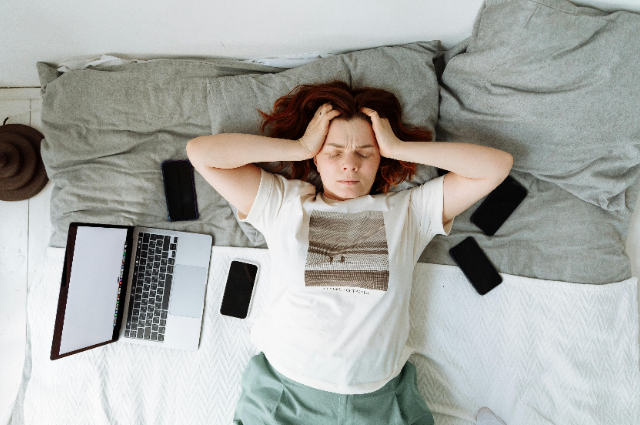
There’s something oddly comforting about scrolling through a feed full of dances, dares, and quick bursts of humor. It’s light. It’s entertaining. It feels like a tiny escape from the weight of the day. But behind that glow of the screen — behind the thrill of joining a trend that “everyone” seems to be doing — there’s a quieter truth we don’t talk about enough: viral challenges come with a hidden emotional price. And most of the time, we don’t realize we’re paying it until the exhaustion creeps in.
Social media challenges today aren’t just harmless games. They’ve become performances, and our audience isn’t a handful of friends anymore — it’s the entire internet. That kind of visibility, that constant awareness of being watched, changes how people behave. Some even admit to risking their privacy, their safety, or their emotional stability just to keep up. A recent study described this as “performative desperation,” and honestly, it fits. When the fear of being unseen becomes heavier than the fear of doing something risky, something’s not right.
When you watch someone do something wild or outrageous for a challenge, it often looks like fun. But for many creators, it’s no longer about fun. It’s about staying relevant. Staying visible. Staying afloat in the constant waves of new trends. The algorithm rewards whatever is loudest, boldest, or most dramatic — and when a video doesn’t land? The silence that follows is harder than people admit. The lack of likes or views feels like a personal failure, and that stings long after the app is closed.
Some viral challenges have crossed the line into dangerous territory. Choking games, blackout challenges, reckless stunts — things that started as jokes have cost young lives. Families have been changed forever because a trend demanded entertainment, no matter the risk. The physical danger is obvious. What’s harder to see is the emotional danger simmering beneath the surface.
For many people, the toll is internal. Studies show that heavy exposure to viral content —especially on platforms like TikTok — is linked to anxiety, depression, poor sleep, and negative body image. It’s not hard to understand why. When every scroll shows someone funnier, prettier, braver, or more extraordinary, it becomes almost impossible not to compare. Suddenlyyour quiet, ordinary life feels too quiet, too ordinary. And it’s heartbreaking how quickly that tiny feeling spirals into “I’m not enough.”
Another layer of harm comes from the way mental health content has become a trend of its own. Videos about trauma, symptom checklists, emotional storytelling — they’re everywhere. While some of them genuinely help people feel seen, others blur the line between normal human emotions and clinical conditions. Someone who’s simply exhausted from work might watch a video and start believing they have a disorder, simply because it sounds relatable. And the truth is, not all mental health content online is accurate. Not all of it is safe.
There are even communities where people share experiences of self-harm. Some users feel comforted by seeing they’re not alone, but experts warn that these spaces can unintentionally normalize harmful behavior. With the way trends romanticize pain through aesthetic edits and soft music, it’s easy to fall into a cycle of consuming triggering content without realizing what it’s doing to you.
And then there’s the emotional whiplash that creators talk about — the anxiety of posting, the refreshing of notifications, the dread of being shadow-banned, the panic when engagement drops. If you’ve never posted anything online, it might sound dramatic. But anyone who has put their heart into a video — only to have the platform bury it — knows that strange mix of confusion and disappointment. This “algorithmic uncertainty” wears you down. It makes you question your worth in ways you don’t expect.
Even for people who never post, just watching can take a toll. Filtered beauty, curated lifestyles, impossible standards, and exaggerated emotions create a distorted version of reality. Dangerous challenges can trigger a quiet voice inside saying, “Why is my life so boring? Why don’t I feel anything exciting?” Over time, that voice becomes louder. Social media doesn’t just change what we see; it slowly shapes what we think our lives should look like.
Still, it’s important to recognize that the internet isn’t inherently harmful. Viral trends have sparked joy, connection, creativity, and important conversations. They’ve helped people feel less alone, even during their darkest moments. But like anything powerful, it needs balance—and awareness.
So how do we protect ourselves?
Awareness is the first step. Remembering that the beautifully edited videos we see are not real life helps create emotional distance. It makes you kinder to yourself when you start comparing.
Boundaries matter too. Taking breaks from scrolling — especially late at night —helps protect your sleep and your peace. Unfollowing accounts that make you feel small or anxious is not dramatic; it’s healthy. It's a survival in a different sense.
Most importantly, you don’t have to live your life for anyone. You don’t need to chase trends to matter. The people who truly love you don’t care about how “viral” you are. They care about who you are. Present. Grounded. Real.
And if you ever feel overwhelmed, or drained, or triggered by what you see online, it’s okay to reach out for support offline. Real conversations with real people have a grounding power that no online trend will ever replace.
Viral challenges and online trends may be fun — but they aren’t harmless. They shape how we see ourselves, how we compare our lives, and how we measure our worth. And while the world keeps spinning faster through filters and fifteen-second clips, the best thing we can do is slow down, breathe, and remember: your life doesn’t need to be viral to be valuable.
References
- “TikTok Style Videos and Mental Health: Effects on Stigma and Self-Pathologizing Behaviors.” Current Psychology (Springer).
- “Problematic TikTok Use and Its Relationship With Mental Health Issues: A Meta-Analysis.” Preprints.org.
- “Exploring the Impact of Social Media Trends on Mental Well-Being: A Study of Bangladeshi Users.” Preprints.org.
- “Digital Mental Health and Self-Injury Communities on TikTok: Risks and Emotional Effects. ” Frontiers in Digital Health.
- “Effects of Social Media on Anxiety, Depression, and Self-Esteem.” TechTarget Behavioral Research.
- “Misinformation in Viral TikTok Mental Health Advice.” The Guardian Investigative Report.
- “Blackout Challenge and Viral Dangerous Trends.” Public Safety and Case Reports(Wikipedia Summary Source).