
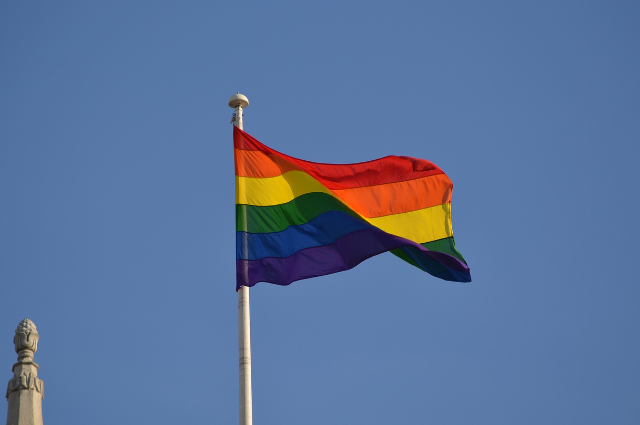
Words are more than mere descriptions. They transport it. They recall people's past trials. Outside of academia, it is largely used as a descriptor by the LGBT community. Most specifically, this is the community that uses it. It feels inclusive, flexible and even comforting for many young people. However, for many older LGBTQ+ people, the same word feels like a scar that will never heal.
To grasp the origins of the rift, we must see how “queer” lived in reality, not just in textbooks.
When “Queer” Was an Insult
The term ‘queer’ was once simply thought of as something strange. Beginning in the late 1800s and early 1900s, it was increasingly weaponised against those deemed not heterosexual, used to mock, shame, and threaten beyond just the LGBTQ community. The term was yelled in schools, uttered by neighbours, and used by cops, employers and institutions to mark people out as deviant. Many gay, lesbian and gender-nonconforming people didn’t find the label of “queer” neutral. It was the term they used when they were physically assaulted, dismissed from employment, disowned by family or denied fundamental respect. The word that told them they were wrong, broken, or dangerous. This historical trauma is crucial. Words gather meanings from the context of the sentences in which they appear. For older generations who lived in a time when homosexuality was criminalised or pathologised, “queer” is inextricable from fear.
When “Queer” Meant Danger, Not Identity
For a huge chunk of the 20th century, “queer” was not neutral. That was a caution. In the US, UK, and India, among other countries, the queer legacies of colonial laws devastated the lives of many. If that person were identified this way, they would lose their job, home, safety, and more. Older gay men often remember hearing the word shouted at them right before they got beaten up in school corridors. The lesbian ladies recollect how it was employed to force them. Trans individuals and gender non-conformers had heard it from cops before being harassed or detained. In oral histories of LGBTQ+ people, one of the most commonly told ones is of a man walking home in the 1960s or 1970s. Someone shouts out “queer”. He doesn’t look back. He jogs. Turning around might result in violence.
For those who lived that experience, ‘queer’ was never just a word. It posed a danger.
Queer in Academia and Youth Culture
In the coming decades, “queer” began to penetrate universities and spaces. The queering movement has also inspired the emergence of new expressive forms. Rephrase this (23 words): For students hearing the word for the first time in classrooms, it was not associated with violence but with ideas, freedom, and self. Everything changed at the same time the internet happenedThrough online spaces, youth were able to articulate feelings they could not explain. The word “queer” was discovered by many teenagers on platforms such as Tumblr or Instagram, or YouTube while in search of an answer. To them, ‘queer’ felt broad enough to allow for uncertainty. They did not have to label themselves right away as gay, lesbian, or bisexual. The term “queer” allowed them to say I’m still figuring it out. This is why a lot of Gen Z people say things like, “I’m queer,” without any fear attached. At first, they experienced community, not cruelty.
Why Older Generations Still Say No
Now, think about a person who came out in the 70s or 80s.
They could have fought for years to normalise words such as “gay” or “lesbian” in the public arena. They walked, protested, and argued just to avoid not insulted. For them, changing slurs to dignified terms means reclaiming dignity. When they hear “queer” casually used these days, it can feel like a reopening of a door they worked to close.
Many older folk in the LGBTQ+ community have stories like, “That was the term used when they beat me,” or “I got called that before I was fired up.” Their rejection isn’t political obstinacy. Memory that involves feelings. To embrace “queer” feels like asking them to abandon what they survived.
A Conflict Seen in Families and Communities
This generational tension often plays out in families and community spaces. Younger people may proudly introduce themselves as queer, while older relatives flinch at the word. In LGBTQ+ organisations, disagreements arise over naming: should it be “LGBTQ+ centre” or “Queer collective”? Some older activists opt out of groups that use the term, while younger members feel it represents them best. These conflicts are not about who is right. They are about whose experience gets centred.
Reclaiming a Word Is Not Reclaiming Everyone’s Pain
One important lesson from the history of “queer” is that reclamation is never universal. A word can be empowering for some and painful for others at the same time. Reclaiming a slur does not erase its past. It changes its future for those who choose it. This is why many LGBTQ+ elders say, “You can call yourself queer, but don’t call me that.” Respecting this boundary is part of honouring the movement’s history.
What the Word “Queer” Teaches Us
The journey of “queer” shows how language evolves through struggle, not consensus. It reminds us that words do not age evenly across generations. Younger people inherit reclaimed language. Older people remember the harm. Both realities are true. The challenge is not to force agreement, but to practice empathy.
“Queer” is a word with two lives. One marked by fear and exclusion. Another shaped by resistance and self-definition. The tension between these meanings explains why the word can feel liberating to some and unbearable to others. Understanding this history allows space for choice. Choice in how people identify. Choice in what language they feel safe using. In the end, reclaiming a word should never mean erasing the pain attached to it. True progress lies in remembering where language has been, while allowing people to decide where they want to stand.
. . .
References:
- The Hindu – “What does ‘queer’ mean and why is it controversial?”
- Explains the historical use of the term and why different generations respond to it differently in the Indian context.
- The Indian Express – “Why the word ‘queer’ still divides the LGBTQ community”
Covers generational perspectives and the emotional history attached to the word.