
For years, the digital world felt limitless. Everything on the internet can be duplicated, downloaded and transmitted. Nothing is really owned by anyone, and nothing is really rare. Then NFTs arrived and flipped that idea upside down. An image that any person can screenshot has suddenly become a unique collectable available for sale. A simple file became “one of one.” Digital scarcity became real not because the file changed, but because someone wrote scarcity into the code. And that is where the real ethical question begins. NFTs made people believe a digital item could be rare, valuable, and ownable. But the truth is, the scarcity behind NFTs is artificial. It doesn’t come from the artwork. There is a system that announces one particular version as the bona fide original. People didn’t fall in love with the JPEG itself. They fell in love with the permission the blockchain grants. But here’s the awkward truth we don’t talk about enough: buyers don’t actually control the system they buy into. Platforms, marketplaces, and smart contract creators do. This is the rise of what many call technological feudalism.
Why We Value Something That Shouldn’t Be Scarce
What makes someone pay thousands for something anyone can have for free?
Human beings love exclusivity, that’s why. We chase rarity, identity, and validation. NFTs became digital luxury items. The worth was not in the picture but in being early, being rare, and being seen. When Beeple sold “Everydays: The First 5000 Days” for $69 million, the world learned that owning something didn’t have to be physical to be something. When NBA Top Shot turned video clips into collectables, people didn’t pay because the clip had limited distribution. They paid because the blockchain said the original belonged to someone else. Scarcity becomes powerful the moment people collectively agree it is real. But in this space, it’s not nature creating scarcity. It is platforms and creators that decide the rarity of things.
Technological Feudalism: The Landlords of Web3
The NFT movement claims to stand for decentralisation. In reality, the ecosystem is deeply centralised. OpenSea, Blur, Magic Eden control the visibility, verification, trading and at times fate of your NFT. Your NFT disappears from the market if they delist it is delisted. On the blockchain, you actually still “own” it, but in practice, you won’t see it. This is digital feudalism. You keep the house, but the platform owns the land it’s built on.
While many believe Smart contracts are agile and neutral, their creators end up with enormous power. They make decisions about whether metadata can be updated, whether images can be switched, whether royalties apply, and even whether transfers can be limited. What the contract stipulates as theirs is all the buyer's own. A perfect example is the Azuki Elementals controversy. When the creators released new NFTs like the old ones, the value of the original NFTs went down 100% overnight. Holders lacked the authority to prevent it. This is how most other NFT purchasers operate. Ownership feels empowering, but the power is an illusion.
Smart Contracts and Hidden Power
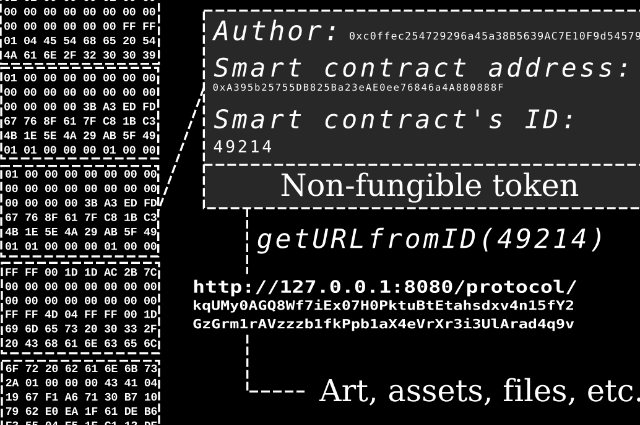
Although smart contracts help automate processes and remove human intervention, they also enshrine the creator’s control. When investing in NFTs, one acquires the token, yet not the rights, the metadata control, or the underlying infrastructure. Take, for instance, Axie Infinity. Players felt they owned digital creatures, but when the economy of the game collapsed, their NFTs stopped functioning and lost value instantly. Having ownership without utility is just a receipt. Example OpenSea freezer stolen NFTs. Even if someone bought an item legitimately, the platform could make that item tradable. This is evidence of how dependent ownership is on central actors. Digital property is only as real as the platforms and systems that support it.
The Illusion of Freedom for Buyers
When people buy an NFT, it makes them feel like they own a piece of the Internet. But what they actually own is limited. Consumers often do not have ownership of the file, hosting, code, logic of the contract, or traffic in a marketplace. They have a token representation, not the ecosystem that makes the token valuable. Like buying an apartment inside a city where the authorities can zap your building off the map at any time. You are still “owning” the apartment, but what is it worth when you cannot use it?
Why This Conversation Matters
NFTs provide a huge opportunity for artists and collectors. They allow for new ways to own things, new ways to do business, and creativity from the community. There must be a way in which digital scarcity matters a lot more than it ever did in the past. Platforms cannot act like rulers. Smart contract creators cannot act like landlords. Purchasers can’t be tenants – this world is marketed as liberation. True decentralisation must free users, not bind them.
It needs.
- decentralised metadata.
- transparent and open-source contracts.
- user-governed marketplaces.
- real control over assets.
- ownership beyond platforms.
NFTs will always remain a pretty illusion of freedom wrapped in a system of dependency until then.
References:
- MIT Technology Review – “NFTs and the Strange New Psychology of Digital Ownership”
- Harvard Business Review – “How NFTs Create Value Through Digital Scarcity”
- The Guardian – “OpenSea Faces Backlash Over Delisted NFTs and Frozen Items”
- CoinDesk – “NFT Royalties Debate and Marketplace Control”