
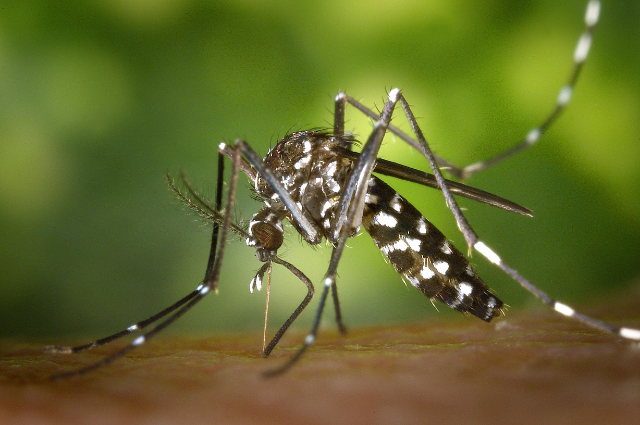
She kissed the forehead of her smallest and flew out into the evening, the world already humming with a thousand small lives. The mother mosquito had a duty: a thirst for a single, necessary drop. She darted through the garden, silver wings cutting the hot dusk, and found a man sleeping in the open. She landed, fed—then he slapped. The slap was a single, terrible law. The man felt a sting of triumph. The mosquito’s children felt a long, starving night.
When the children died, the forest noticed. Mosquitoes are small, but they are family. Tidings of the murder—of blood taken and life denied—travelled through blades of grass and across the undersides of leaves. It reached a patch of elders who spoke in the rustle of wings and decided that justice, however tiny, had to be served.
They formed a court.
It was a curious thing to see: a courtroom of velvet light and leaf-pulp benches, fifteen mosquitoes in the judges’ row, attorneys with bent proboscises and tiny gavels of twig. They elevated the clay effigy of Humanity—a small, cracked statue left from a picnic—and read aloud the charges with solemn buzzing. The verdict they reached was as merciless as their size: life for life. The man would be punished—the sentence: one month of confinement in public shame, a mosquito’s year—until the balance returned.
When the executioners came, silent as dusk, the man’s hands moved faster than the law. He swatted and crushed and burned in a panic that bred massacre. The trapped sentence turned absurd: he had slain more than the one mother. The court, shocked, convened anew and decided—by unanimous fury—to hang him. A grotesque rope of spider-silk was woven, and the judge’s wings trembled as they prepared the sentence.
But rope is fragile where wrath is heavy. As they tried to lift him for the gallows, many mosquitoes clung and were crushed beneath the man’s flailing feet. The man staggered into the heap and, by accident or mercy, a body of insects suffocated under him, choking the echo of the sentence. Some crawled away, many did not.
The mood shifted from judicial to martial. “War,” buzzed the littlest counsel, and the air filled with the iron tang of decision.
What followed was a folly to shame any storyteller. At first it was a swarm: millions of wings, needle strikes, the tiny revenge of the hurt. Spiders and beetles—old alliances and newer grudges—joined in, and the field became a theatre of stinging, biting bodies. The man, infuriated and impossible to appease, answered with flame and iron. He burned leaves; he stamped mounds; he set traps and traps again. He called the tools of his species—nets, smoke, flame—and the battle swelled.
Then, in a panic-shot decision, he thought of the impossible: complete annihilation. “All out,” he muttered, and like a mad general pushed the red button in metaphor and myth. The world reinterpreted the word and answered with catastrophe. Forests caught; rivers steamed; smoke remembered the taste of ash. Mosquito speed increased for a time—death breeds frenzy—but then the lights died; the electricity failed; the tools broke; the man watched as his landscape turned to cinder.
For a while, he laughed—hollow and terrible—when ninety percent of the mosquitoes fell. The woods were quiet, too quiet. The survivors fled. Yet the wound was not one-sided. Without pollinators the fruit trees frayed; without beetles the soil went hungry. The man found himself deluged not by the simple vengeance he had imagined, but by uncanny new illnesses, unpredictable fevers and strange, grinding scarcities. Mosquitoes had carried disease—yes—but other creatures had kept the balance. Their disappearance was a debt that returned in fever and famine.
Slowly the truth settled like ash: the victory had the taste of ruin. He had saved the picnic and burned the pantry. He had won, and in the tally there was only loss. Bees that had once split loyalties now buzzed in chaotic confederations—some with the man, some in the insect ranks. Fires ate whole groves, and with them vanished nests of a hundred small lives. The war had not cleaned the slate; it had shredded the page.
After two months the battle ended not with a parade but a silence. Ninety-eight percent of one population had been erased. Fifty percent of the smaller, buzzing peoples were gone. The man’s house sat hollow; his well filled with silt. The forests would take a generation to forgive the scorch. And the diseases? They lingered, mutated, strange and patient. The human body, the fragile industry of villages and towns, grew strangely sick.
When the last smoke faded, and the human survivors gathered the bones of their harvest, both sides looked at the ruin and understood the same bitter truth: no one had won. The mosquitoes had been stamped out, yes—but the world they lived in had been razed along with them. The man’s victory felt like an obituary.
He sat alone on a charred log and thought of the mother who had flown out at dusk, hungry for a single drop for her brood. He remembered the court, the hanging, the heap of crushed wings, and—like a child—he could not find a way to be proud. The slaughter had been cheerful once; now it was only an ache. He had wanted justice and found only emptiness.
“War,” he muttered to the wind, “is a story we tell ourselves so we can ignore the quiet cost.”
Around him the survivors tended what could be tended. Bees drifted like patient ministers. The few mosquitoes left carried their hunger into barren fields. Between the living, something new took root: a small, sulking care. It was not a recipe for victory. It was the beginning of regret.
And in the hollow where once the court had sat, a child found a dead wing and pressed it to his heart. It was a tiny thing, and he could not yet understand the shape of the world. But he knew this: killing for killing’s sake had left them all poorer. The war had taught them a simple, terrible lesson.
Moral: In the war to keep what we love, we risk the very world that makes it possible. Victory that costs the earth is only a hollow story.