
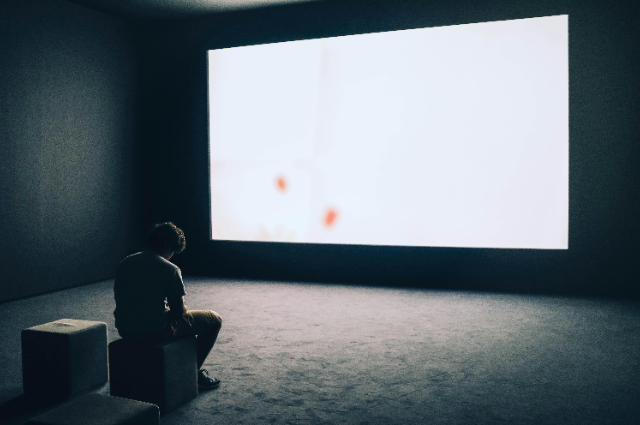
The Satiated Soul
Once, humanity dwelled in the shadow of scarcity, where desire was forged in the crucible of absence. The hunter's arrow arced through empty air, the lover's letter crossed oceans in patient ink, the pilgrim's feet bled upon unyielding earth. Wanting was not mere need; it was a creative fire, a void that summoned gods from silence. In that interval of striving, the soul expanded, imagination unfurling like a sail against the wind of postponement.
Enter the On-Demand epoch: a hyper-reality where every whim materialises in nanoseconds. Amazon's drone hums at the doorstep before longing fully forms; Tinder's swipe summons flesh without courtship's slow burn; Netflix's autoplay devours narrative without the mercy of an intermission. We have everything, yet inhabit a poverty deeper than stone-age hunger—the poverty of having everything. The thesis unfurls here, stark and shimmering: wanting is the primordial creative act, demanding a void to breathe. Technology, in its godlike benevolence, fills every crevice instantly, leaving us satiated souls adrift in commodity fetishism. No longer do we ache for the sacred; objects arrive pre-packaged, their aura stripped, reduced to the hedonic treadmill's endless churn. Desire, that eros of delay, withers into pornography's instant gratification. We scroll through infinities, but feel nothing. The weight of our own wants has vanished, replaced by existential apathy. In this frictionless paradise, we are rich in possessions, paupers in passion.
The Erosion of the 'Interval'
Imagine the interval as the sacred pause, that fertile nothingness between wish and world. In pre-digital epochs, it was the canvas of anticipation: the child's vigil for Santa's sleigh, the poet's ink drying on parchment awaiting a distant muse. This wait was not torment but alchemy; imagination danced in the void, endowing the desired with mythical heft. A book ordered from a far-flung shop arrived as treasure, its pages humming with the journey's echo. Eros thrived here—delayed intimacy building cathedrals of longing, where each deferred touch amplified the flesh's poetry.
Now, the interval lies dead, embalmed by algorithmic efficiency. Amazon Prime collapses time to hours; Spotify queues symphonies sans search; pornographic feeds deliver climax without prelude. The death of the interval signals not progress, but the desecration of desire's metaphysics. Without waiting, the object loses its sacredness, devolving into mere commodity. Marx's fetishism finds its apotheosis: things no longer glow with human projection; they arrive sterile, pre-consumed. We tap, and possession floods in—yet satisfaction evaporates faster than it arrives, propelling us onto the hedonic treadmill, chasing dopamine ghosts.
Consider the lover's text: once, words simmered in handwritten delay, ripening the heart. Today, they ping instantly, flattening eros into transactional sparks. Boredom, that old midwife of creation, is exiled; silence, the womb of thought, drowned in autoplay's hum. We graze surfaces, never plumbing depths. The imagination, starved of friction, atrophies. In this zero-latency realm, wanting ceases to be an act of world-making; it becomes passive reception. The soul, once a vessel of vigilant hunger, now bloats with undigested abundance. We have traded the interval's poetry for hyper-real efficiency, and in doing so, forgotten how to want with the ferocity that once carved civilisations from the void.
Algorithmic Pre-emption
We are no longer hunters of culture, prowling the wilds of whim; we have become grazers in algorithmically manicured pastures. Spotify whispers playlists before melody stirs; TikTok's For You page anticipates urges unarticulated; YouTube's sidebar pre-empts the query with uncanny precision. This is algorithmic pre-emption: the outsourcing of the will. Desire, once self-generated from inner voids, now arrives outsourced, curated by silicon oracles. If we do not hunt our wants, do they belong to us? Or are we puppets in hyper-reality's grand simulation, where choice masquerades as autonomy?
The predictive trap ensnares us subtly. Algorithms, devouring our digital exhaust—likes, dwells, skips—map our psyches with godlike foresight. They suggest not what we seek, but what we will seek, collapsing the arc of volition. Eros, that willful pursuit, yields to pornography's algorithmic feed: instant, infinite, impersonal. Commodity fetishism evolves; objects no longer enchant through our labour—they enchant through prediction, rendering us passive consumers. The hedonic treadmill accelerates: each "perfect" match dulls the edge of agency, breeding existential apathy.
Han might call this the transparency society's triumph—total visibility of the self, weaponised against its freedom. Baudrillard's simulacra deepen: desires are no longer ours but simulations, generated from data shadows. We graze TikTok's endless meadow, scrolling not from hunger but habit, wills atrophied. The hunter's thrill—tracking elusive beauty through cultural thickets—dissolves into pre-emptive plenty. Are these "our" songs, our swipes? Or corporate phantasms, fattening us for the next upsell? In this pre-emptive paradise, wanting ex, leaving the soul a vacant lobby, awaiting the next algorithmic knock. We possess everything suggested, yet desire nothing truly chosen.
The Tyranny of the Infinite
Abundance's paradox gleams like a poisoned chalice: the more we have, the less we want. Barry Schwartz diagnosed the Paradox of Choice—endless options paralysing action—yet Kierkegaard's "dizziness of freedom" cuts deeper, a metaphysical vertigo before infinity's abyss. Netflix hoards 10,000 films; Spotify, 100 million tracks; Instagram, a billion faces. Infinite scrolling paralysis sets in: we hover, select nothing, and desire evaporates. This is the tyranny of the infinite, where hyper-reality drowns scarcity's vital spark.
In scarcity's forge, wanting sharpened—five records meant deep devotion; one lover, epic eros. Now, infinity flattens all to sameness. Commodity fetishism reigns: every option gleams identically, stripped of unique aura. The hedonic treadmill spins faster; fleeting joys yield to existential apathy. Why watch when another "better" awaits? Eros starves in this pornographic sprawl—instant access erodes delayed intimacy's fire. We scroll into numbness, boredom banished not by fulfilment, but overload.
Kierkegaard warned of freedom's dread: too many paths, and we leap into nothingness. Algorithms amplify this, their infinities not liberating but tyrannical, herding us into apathy's fold. The soul, gorged on virtual plenitude, forgets to crave. Infinite abundance births poverty: not of things, but of the will to choose. We perish not from want, but from wanting's ghostly echo.
Reclaiming the 'Art of Lacking'
To escape this poverty, we must master the art of lacking—strategic deprivation as radical abundance. Digital minimalism beckons: delete apps, impose "no-scroll" vows, court boredom's return. Reintroduce friction: wait for books to arrive by post, court without swipes, let silence cradle thought. Boredom, that exiled muse, reignites imagination; silence, the void where true desire gestates.
This is no asceticism, but metaphysics reclaimed. Eros revives in delay—philosophical intimacy over pornographic haste. Shun the hedonic treadmill; break commodity fetishism by choosing scarcity. Fast from feeds; wander without GPS; let intervals bloom anew. In lacking, we rediscover wanting's weight, existential apathy yielding to vibrant hunger.
The final thought: richness lies not in having everything, but in friction's poetry—boredom's hush, silence's depth. Reclaim the void; let desire, that creative sovereign, rise anew.