
Each time someone opens their phone, they touch a piece of today's high-tech world. Smooth shapes, fast chips, and strong power cells show how things have moved forward. But under that shiny look is something troubling few ever see. Far away from product launches, past bright ads, kids crawl through tight underground passages hunting cobalt - key stuff for rechargeable batteries. Powering phones, laptops, and electric cars - cobalt sits at the heart of today’s tech world. Behind every charge, though, lies a hidden toll: young lives pulled from their homes.
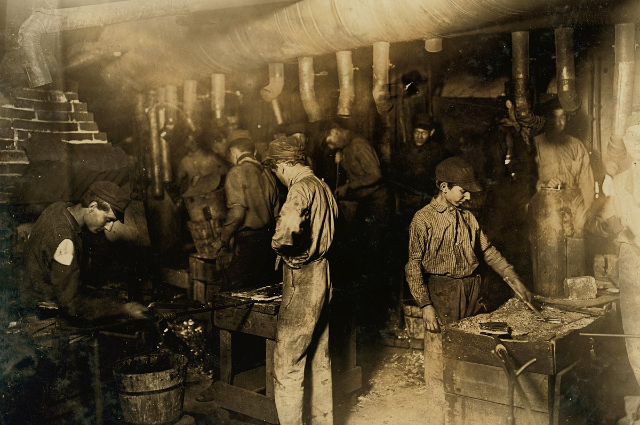
These days, child work hides in ways many never expect. Not on open factory lines where checks happen often. Hidden now, specialists call it "out-of-sight" labour. Buried inside tangled worldwide networks that feed big companies’ polished fronts. Kids aren’t found where pictures get taken. Far off, they’re on isolated fields, backroom houses, unlicensed sheds, hidden pits - spots built to escape eyes.
Hidden on purpose, isn’t it? Shaped right into how today’s supply lines work. Big global firms rely on layers of suppliers, pushing hard truths far away. Up high sit the first-level partners - big plants putting together finished goods or key parts. Factories like these usually pass inspections, keep records straight, meet worker rules. The world sees them when companies show off how things get made.
Down below work the Tier 2 suppliers - smaller shops making pieces or chunks for bigger products. Not much attention is paid to them, yet they must deliver fast and cheap every time. Lowest down sit the Tier 3 sources, where everything begins. Think faraway fields, makeshift sheds, small-scale diggings, some even against the law. This is where kids working gets common - rules hardly exist here. Once stuff arrives at top-tier plants, it has travelled through so many hands, tracing back becomes a dead end.
From deep within the ground, a large share of global cobalt rises through labour in the Democratic Republic of Congo. Most of it flows from small-scale mines scattered across the land. There, day after day, children take on gruelling tasks underground. Using only handheld tools, they chip away at rock while moving through shaky passages. Breathing in harmful particles becomes routine, their bodies exposed with nothing shielding them - no gear, no care nearby. Falls, wounds, or worse happen often but hardly ever get written down. After pulling out the cobalt, traders shift it to nearby hubs, blend it with output from big mining sites, then ship it worldwide - scrubbing where it really came from along the way.
It’s common for big companies to say they don’t hire children. True enough, on paper. Yet what drives factories far away isn’t always written in contracts. Pressure starts up top - tight budgets, quick turnarounds pushed by global firms. That pressure travels down, step by step, cutting into profits at each stop along the way. When survival is tight, smaller suppliers slash expenses however they can. Workers’ pay shrinks because grown-up salaries feel out of reach. Tough choices follow when money runs too low at home.
Survival shapes choices when empty stomachs knock at the door. Work becomes the only option for kids if staying home means going without food or falling deeper into debt. Homes lean on every pair of hands, even small ones, just to keep walls around them. School stays out of reach since fees need money earned by those still learning to tie their shoes. Without lessons, there is no path away from heavy tasks meant for grown backs. Each year repeats the last, feeding cycles that ease lives far away in places never seen.
Audit programs pop up everywhere as fixes for child labour. Still, they rarely make a real difference. Usually, when checking just first-level suppliers, these reviews get scheduled weeks ahead. That warning allows factories to move kids out of sight or doctor documents. Paper trails become the main proof instead of surprise visits or talking directly to employees. So outcomes show firms meet rules by name only, yet harm rolls on. Checking forms shields images, not problems behind them.
Right now, over 138 million kids work instead of going to school - most trapped in dangerous jobs like farming or digging underground. Missing the promised deadline of 2025 shows how weak past promises really were. A broken pledge isn’t just about poor planning - it speaks louder about what we choose to ignore. Real lives sit behind every number: stolen time, lost classrooms, invisible harm piling up unseen. Leaders claimed they’d fix it; reality proves otherwise.
A jump in cobalt demand looms ahead, driven by shifts to green power and electric transport. Even though such innovations claim to be eco-friendly and fair, their sourcing reveals deeper issues. When forced work fuels so-called clean tech, it challenges our idea of real sustainability. Advancing nature while harming people weakens the goal itself.
Something has started to change around the world. By the end of 2025, fresh rules appeared - like the EU’s new sustainability directive - that push big companies harder on responsibility. Instead of looking away, firms must now spot risks, stop harm, and fix problems tied to human rights across every part of how they operate. Now, a corporation can be held accountable, even when wrongdoing happens deep within distant supplier networks. Claiming you didn’t know won’t work anymore. A single law won’t fix everything, yet it can push things in the right direction. What happens after passage - how strictly rules are followed, how clear the process stays, how fairly oversight works - that decides if anything truly shifts or if gestures replace growth. When leaders, businesses, and communities align, values might take root where they matter most: deep within systems, not just seen on screens.
Who buys what changes how things get made. Each time someone pays for a product, it backs one kind of making process - fair or unfair. One person alone cannot undo worldwide factory networks, yet people together noticing and insisting on clear facts can push firms to change. It matters now to question origins - not because it sounds good, but because ignoring them harms more.
What matters most isn’t the speed of our devices, but what lies behind their creation. Machines running on minerals dug by small hands aren’t triumphs of science - they show a world where earnings matter more than lives. Real change means growing tech without crushing souls. Without that shift, each glowing screen holds unseen weight - paid not in coins, but in years stolen under ground and out of sight.
References:
- International Labour Organisation (ILO) – Global Estimates of Child Labour, 2023Confirms over 138 million children are still engaged in child labour worldwide.
- UNICEF & ILO Joint Report – Child Labour: Global Progress and Challenges Documents hazardous child labour in mining, agriculture, and informal sectors.
- Amnesty International (2016, 2017) – “This Is What We Die For” Investigates child labour in cobalt mining linked to global tech supply chains in the DRC.
- U.S. Department of Labour – List of Goods Produced by Child Labor (2022)Officially lists cobalt from the Democratic Republic of Congo as produced with child labour.
- OECD – Due Diligence Guidance for Responsible Mineral Supply ChainsIdentifies child labour as a high-risk issue in mineral and battery supply chains.
- European Union – Corporate Sustainability Due Diligence Directive (CSDDD)Establishes legal responsibility of multinational companies for human rights abuses across supply chains.
- Reuters Investigations (2024–2025)Reports on cobalt mining, supply chain opacity, and child labour risks in Congo.