
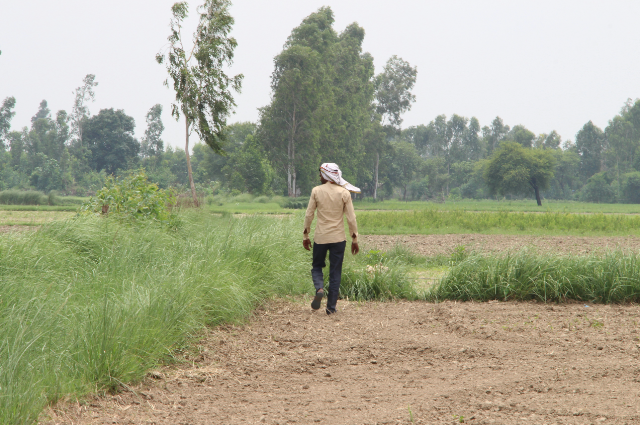
Not farming alone defines India, though it shapes much. Hidden beneath runs a harsh truth few face directly. Many who work the land live on shaky ground - money troubles pile up when rains fail, and rules ignore them. It isn’t just one thing pushing people to despair. Slow collapse in support systems, shrinking income, weak safety nets - all feed into what happens next. By early 2026, reports show things have worsened, not improved.
Every year, around 10,000 to 11,000 people tied to farming end their lives, according to the National Crime Records Bureau's report on accidental deaths and suicides in India. Included here are those who own farmland, along with others who work the fields without owning any. During just one recent year - 2023 - the count reached 10,786, making up about 6.3 percent of national suicide cases. Behind each number sits a story too heavy to carry. On average, someone from the farm community dies by suicide once per hour, weighed down by relentless struggles in agriculture.
Far from uniform, the toll of farmers ending their lives clusters in specific areas. Some parts carry much heavier losses than others. In recent years, one state stands out - Maharashtra - where over a third of national cases occur. For close to twenty years now, places like Vidarbha and Marathwada show up again and again in this grim pattern. Not far behind is Karnataka, hit hard by long dry spells that deepen farming struggles due to a lack of water. In contrast, Andhra Pradesh sees similar pain, mirrored in Telangana, especially among those growing cotton - where prices swing wildly, and bugs ruin harvests too often.
Farm worker deaths by suicide have risen sharply lately. According to NCRB figures, over half of these deaths come from workers without land, not those who own it. What we’re seeing points beyond just farming families - it pulls in the whole network of rural work. The strain runs deep into how Indian agriculture actually functions.
Deep in the heart of this mess sits crushing debt. Without banks to turn to, countless farmers borrow from local lenders, demanding sky-high fees. One bad harvest, then everything falls apart fast. When payments grow faster than income, escape feels imaginary. Hope fades when every path seems blocked by what is owed. Some see no way through but to end it all.
Farming now faces tougher challenges because of shifting weather patterns. Not just one problem, but sudden downpours during the wrong seasons pile pressure on growers. Floods wash away crops while long dry spells shrink yields just as fast. Even pests like the pink bollworm in cotton fields add to the trouble without warning. One season’s effort might vanish in a matter of days from causes nobody can stop. Those who grow food carry all the burden when disaster strikes. Yet help or ways to reduce damage hardly reach them at all.
Farmers face rising costs on everything they need to grow crops - seed, fertilizer, chemicals, and fuel. Even so, what they earn from selling harvests does not rise nearly as fast. The government sets support prices, true, yet plenty never reach those numbers when trading actual grain. Poor infrastructure and patchy buying systems block access regularly. So instead of building profit, most just try not to lose more than necessary.
Money troubles aren’t the only weight on farmers’ minds. Medical bills hit hard, especially when they come without warning. Family duties pile up, too, like wedding costs that include dowry payments. These demands stretch already tight budgets even thinner. Falling into debt can bring shame, making some feel judged or weak. That sense of isolation grows when neighbors withdraw or talk behind backs. Help for emotional pain is nearly absent in remote areas. Suffering builds quietly, hidden beneath routine days. By the time someone notices, it might be far too late.
Nowhere near enough money comes through the PM-KISAN payments to cover what it actually costs to farm these days. Even though the plan promises ₹6,000 yearly, prices keep climbing faster than help arrives. Crop insurance sounds good on paper under the Fasal Bima program, but still, many never feel that safety because claims drag on forever. Paperwork tangles and slow processing turn promised protection into frustration. Some states erase loans now and then, giving brief breathing room, but debt keeps piling up just the same. Minimum support prices go up every so often, true, although only a few crops get that lift, leaving most growers out in the cold.
Farming doesn’t break people by accident - it breaks under broken systems. Stuck between slim profits and steep risks, many see no way out. Called heroes at harvest time, yet left struggling through every season after. Pledges ring hollow while bank loans pile higher than monsoon rains ever could. Real change won’t come from praise - it’ll come when policies finally follow the promise.
References
- National Crime Records Bureau (NCRB). Accidental Deaths & Suicides in India (ADSI) 2023. Ministry of Home Affairs, Government of India.
- Government of India, Parliament (Digital Sansad). Lok Sabha Unstarred Question on Farmer Suicides, July 2025.
- Government of India, Parliament (Digital Sansad). Rajya Sabha Discussion on Agrarian Distress in Marathwada, March 2025.
- The Hindu. Reports on farmer suicides in Maharashtra, Karnataka, Andhra Pradesh, and Telangana, 2024–2025.
- Down To Earth. “Maharashtra’s Agrarian Crisis and Farmer Suicides.” July 2025.
- ResearchGate. Farmers’ Suicides in India: Issues and Concerns.
- Library Progress International. “Trends in Farmer Suicides and Policy Implications.” 2024.