
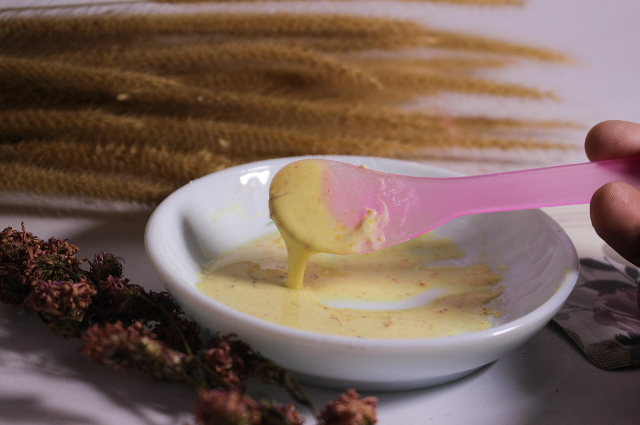
India's skin care scene is changing fast - yet it isn't about fancy products or what's trendy. What matters now? Honesty, openness, because people expect real evidence. For ages, companies got by using fluffy terms like "natural" or "herbal," but folks are tired of empty promises. Instead, they’re asking: Where does it come from? How’s it made? Can you prove it? Because of that, a fresh approach to beauty is rising there: stories rooted in local ingredients, where a label stakes its name on one authentic, regionally grown, eco-certified component. This way of telling stories cuts through the noise, making folks sense a real bond with the soil, those who grow things, or how stuff actually gets made. When shelves overflow with similar creams and lotions, focusing on ingredients helps a label stand out, sounding unique while feeling high-end.
Indian buyers love tales about real ingredients since these echo old habits. Beauty routines for ages relied on one thing at a time - like saffron, turmeric, rosewater, coconut oil, ghee, or sandalwood. Such items felt familiar, tied to home customs and local pride. Today’s small-scale labels revive this simplicity yet add lab methods, consistent standards, plus eco proof. Once folks understand where their saffron comes from, how rose petals got picked, or which hands grew the seabuckthorn, it just feels cleaner - fancier - even if no one says so outright. So a lone-source ingredient hits harder than any fancy mix ever could.
RAS Luxury Oils stands out by focusing on local, verified ingredients grown on managed farms - no shortcuts. Spread over 100+ acres in Raipur, they handle every step themselves, which almost no other Indian beauty label does. Instead of buying from outside sources, they cultivate plants, press oils onsite, mix formulas in their labs, then package everything close by. Because it’s all under one roof, there are fewer delays, less waste, fresher components, plus full visibility you can check yourself. While others claim “natural” without proof, RAS walks you through each phase - dirt, planting, picking, pressing, right down to the bottle.
Their story sticks to one main point: strong plant extracts grown on farms, shipped straight from Raipur to you. Although RAS uses various plants, they never stray far from this key fact: crops raised responsibly under their watch. Take their 24K Gold Radiance Face Oil - it shows how much weight a clear origin tale carries. People didn’t grab it just for shiny flecks; they believed in oils from real farms, liked knowing where each step happened, and felt good about ingredients coming from a monitored, fair system. Most team members are women, plus many growers stay linked by lasting deals, so their approach builds trust and deeper meaning - the kind folks notice, connect with, and happily spend more on.
RAS shows Indian buyers happily spend double or even triple on skincare if they know exactly what’s inside - especially when ingredients come from nearby, grown out there in clear sight. A label saying “this chamomile? It's from hills near Ooty” makes it feel honest, way more than some lab-made version shipped halfway across the world. Seeing how rose oil gets pulled from petals using slow steam - or how aloe thrives under Karnataka sun - adds weight, like you’re getting something untouched, true. That sense of clean origins sticks harder than any glossy box ever could. Since everything ties back to one small corner of India, folks don’t just see a brand - they connect with a place, a story, someone who isn't hiding where things really came from.
A hyper-local tale about ingredients boosts marketing because it trims down the message. Rather than tossing around countless perks or components, companies stand out through just one standout crop, tied to a single place, one unique way of harvesting, yet delivering an obvious benefit. Simpler ideas stick quicker in people’s minds, make stories easier to pass along, while building firmer confidence in what's being sold. Think of saffron from Kashmir, seabuckthorn sourced from Spiti Valley, or sap drawn from coconut flowers in Kerala – each sounds special next to vague labels like “all-natural.” Once that raw material holds badges such as fair trade, organically grown, eco-friendly practices, or carefully managed growth, the whole picture gains extra weight.
The surge in local ingredients across India ties back to how younger shoppers now see value differently. Because for this group, high-end isn't about foreign labels or rare imports - it's honesty, purity, safety. So they’re choosing to boost small farms, native harvests, and balanced environments instead. Since their focus is on less synthetic stuff, fewer layers between producer and buyer, clearer origins overall. A brand sharing honest details about its ingredients hits on a deep truth - creating lasting trust rather than just quick interest. No shocker then that labels spotlighting actual components beat out vague terms like “Ayurvedic” or “natural,” especially when those old labels stay stuck and show nothing concrete.
This shift’s got Indian brands trying out tiny farms and rare crops. Not just seabuckthorn from Ladakh, but also perilla oil from Nagaland - now showing up in big skincare ranges. Apricot kernels from Uttarakhand? Or Kerala’s raw coconut sap? They’re ditching the sidelines for centre stage. Every area’s dirt, weather, customs, and vibe shape what grows there, giving each ingredient its own background tale. Folks aren’t only grabbing a cream - they’re taking home a place, a plot, faces, and history.
The farm-to-table idea isn't just hype - it's what sets India apart in global beauty. Thanks to rich plant variety, farming skills, and generations-old skin care knowledge, the country could lead the clean beauty wave everywhere. Take RAS, for example - when brands tie local ingredients to actual farms, clear sourcing, verified eco practices, and sharp messaging, people believe in the product right away and hold it dear. Local skincare goes beyond homegrown plants; it keeps tradition alive, supports growers, saves species diversity, and offers routines that feel purer, cleaner, and more truthful beyond factory-made picks. With shoppers waking up more each day, focusing on what's inside the bottle won't stay just trendy - it'll shape how high-end beauty grows across India.
References:
- rasluxuryoils.com
- rasluxuryoils.in
- rasluxuryoils.in
- Grazia India
- Consumer Premium Purchase Proof from Beauty Biz updates, along with item ratings on online shops