
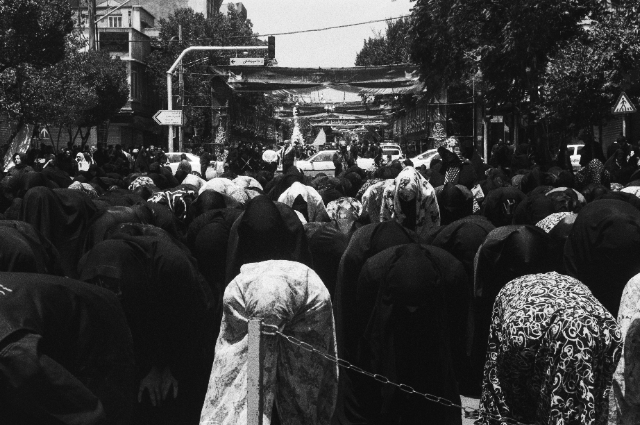
Fire lit on headscarves started it. Now resistance spreads through streets where bread costs more each week. Women stand even when silence might keep them safe. Their choices are watched, tracked, punished - each move met with fines or worse. After Mahsa Amini died in custody, something shifted beneath the surface. Not just anger rose - but coordination, timing, quiet strength. Cameras record protests; bank accounts freeze without warning. Control stretches beyond clothing into paychecks and online speech. Money moves like a trap now, wired to obedience. Some tear up documents at checkpoints. Others whisper names of missing friends across apartment walls. Defiance lives in small moments too: a song hummed wrong, a scarf worn loose on purpose. Power here leans heavily on systems built quietly over years. These women face not only police but ledgers, algorithms, blocked websites. They push back anyway.
A spark came from Mahsa Amini’s passing. She was twenty-two, Kurdish-Iranian, taken by police over how her headscarf sat on her head. People who saw what happened said guards hit her hard while she was locked up. That blow knocked her unconscious. Three days after, she did not wake up. Grief poured into anger fast. Her name turned into something bigger than one life lost. It showed how fear is used again and again to control people. Out of silence rose a chant - Woman, Life, Freedom. In Kurdish: Zan, Zendegi, Azadi. Voices joined, not just women but many beside them, asking for basic rights without shouting promises or waiting for permission.
A flame catches the fabric, and meaning follows. Not faith is under fire - it is authority misusing belief that burns. When scarves come off in open view, hands rise with intent. Control built over years cracks at the sight. Silence breaks because presence speaks louder. Permission slips through fingers like ash, and now breath feels different. What was once enforced now floats away on smoke. Bodies belong again where laws once reached too far.
Years passed. The leadership in Iran began changing how it responded to dissent. Relying only on force brought bad press, drew global scrutiny. So officials turned toward subtler control - cameras powered by artificial intelligence scanned streets, flagged women missing head coverings. Penalties arrived through electronic alerts, money vanished from personal accounts, cars stopped working overnight. Shops allowing uncovered women risked shutdowns, owners pulled between survival and obedience. Life became tense, every move watched. Staying out of trouble meant more than belief - it tied directly to being able to pay, to drive, to live normally.
A teenager named Armita Geravand died in late 2023, at only seventeen. Because of this, people took to the streets once more. She was pulled off a metro train in Tehran - officials claimed it was about her head covering. Like what happened before with Mahsa Amini, force led to serious harm. The way things played out showed how little has shifted since then. Many saw it as proof: old patterns still hold strong. Outrage grew again, fed by long-standing frustration. Resistance didn’t fade - it found new reason. Women stand not only against single acts but against layers of pressure built over time. Control, enforced through threats, keeps sparking pushback. Each incident adds weight to a much larger struggle.
Now more than ever, money troubles shape the heart of protest. Come January 2026, walkouts and refusal to obey rules mixed heavily with frustration over cash struggles. Shop owners who long backed those in power - the so-called Bazaaris - stepped into marches after prices soared and their currency crumbled fast. When daily hardship joins public anger, something stronger takes form. Chants for liberty blend loud with shouts demanding fair wages, clear proof: what's at stake in Iran isn’t just belief or faith - it’s bread on tables and dignity each morning.
A woman named Narges Mohammadi sits in an Iranian jail, yet her voice travels far beyond prison walls. From inside Evin Prison, where she remains held, she leads quiet protests by refusing to move, one day at a time. Letters appear, passed hand to hand, describing what female prisoners endure under force. Winning a Nobel does not free her, but it shines light on those still hidden. Strength in Iran's struggle shows up most when silence is demanded. Pushed down, people find ways to rise - attention grows, both at home and across borders.
Across the world, Iran shows a fresh form of tight government rule, mixing online tracking with money pressure. When banks block funds, cars get seized, or shops are forced shut, people learn they must obey just to earn their daily bread. Technology paired with financial tools turns into something sharp, aimed at ordinary lives. Instead of beatings or arrests, systems quietly squeeze freedom - slow, steady, unseen. Other strongman states watch closely, borrowing pieces without announcing them.
Still, the push for women's rights in Iran reaches deeper than just public gestures. When scarves burn, it signals more than rebellion - it ties directly to wallets, jobs, records. Power moves online now, fines hit bank accounts, making routine tasks feel like crossing borders without permission. Even so, many women keep moving forward, using silence, timing, small shifts instead of loud cries. Money controls tighten, systems watch closer - yet lives adapt in ways machines can’t track. This pressure isn’t only about rules; it shows how respect demands constant motion, never settles, refuses to vanish.
. . .
References:
- Mahsa Amini and Catalyst of Protests
BBC News: Mahsa Amini: The woman Whose death sparked a movement
Amnesty International: Death of Mahsa Amini: What happened and why it matters
Britannica: Bigraphy of Jina Mahsa Amini & The Protests - Symbolism and “Woman, Life, Freedom” Movement
The Guardian: Women, life, freedom: the slogan that united a nation
Carnegie Endowment for International Peace: Hijab in Iran: From Religious to Political
Symbol
NPR: Why Iranian women are burning their headscarves - Armita Geravand Case (2023)
Reuters: Iranian girl dies after alleged Metro harassment, fueling protests - New Hijab and Chastity Laws / Digital Repression (2024–2026)
Human Rights Watch: Iran: New Hijab Law Adds Restrictions and Punishments (Oct 2024)
Amnesty International: Iran: New compulsory veiling law intensifies oppression of women (Dec 2024)
Al Jazeera: Iran’s digital crackdown on women fuels economic punishment
Human Rights Watch: Iran: Authorities using technology to enforce hijab compliance - Bazaaris Strikes and Economic Context (2026)
Financial Times: Iran’s merchants join anti-government protests - Narges Mohammadi & Prison Activism
Nobel Prize Official: Narges Mohammadi – Nobel Peace Prize 2023
Amnesty International: Iran: Activist Narges Mohammadi continues fight from prison