
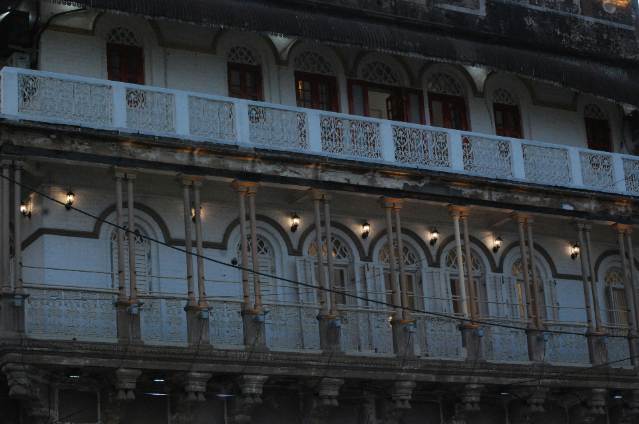
Hope floats through sickness like a quiet promise across many lands. Yet, winding lanes of Varanasi, such hopes land differently. Words meant to heal sometimes weigh heavily on weary souls. A phrase common elsewhere stirs discomfort within these stone walls. Healing isn’t sought by all who come here. Instead, some wait for something beyond cure. This is Moksha Bhawan - where release matters more than recovery.
Truth stands apart from legend, fear, or drama meant to startle. A place called Moksha Bhawan exists - not imagined, but built on faith, old customs, what Varanasi holds sacred about passing away.
Older than most places on Earth, Varanasi goes by another name, too - Kashi. This city never stopped being lived in, not really, for thousands of years. It holds a central place in the Hindu faith, seen as the purest of holy sites. Tradition says that if you pass away here, your soul escapes the loop of returning again and again. To those who trust this path, ending life in these streets means reaching something far beyond ordinary endings.
Some come here hoping to leave life behind in Varanasi. Moksha Bhawan exists for them. Not quite a hotel, more of a quiet shelter. Comfort isn’t promised. Fancy rooms? Missing on purpose. Tourist guides won’t mention it much. Still, word spreads among those ready to rest. Old bodies, tired souls find space within its walls. Belief brings most through the gate - this place holds meaning beyond sleep and meals. Sacred ground matters when time runs short. Final breaths often happen where faith feels strongest.
Quiet stands the structure, unimposing in its presence. Heavy rests the air inside - no dread there, only calm surrender. Not seeking cures, those living here carry a different truth. Death has been welcomed, not resisted. That's exactly what makes "get well soon" miss the mark. Healing isn’t expected. Staying alive isn’t the aim. Here, passing away feels more like freedom than loss.
What stands out about Moksha Bhawan? A firm limit - no one stays longer than fifteen days. Should someone still be alive after that time, they must depart. At first glance, this might seem severe. Yet it reveals exactly why the place exists. Not meant as medical care, nor shelter for aging, it serves only those convinced their final moments are close. For them, being in Varanasi matters above all.
Quiet moves fill each day within these walls. Prayer slips into chanting, pages turn in sacred books, and stillness settles like dust. Relatives stay close, hearts pulled two ways at once. Hope says release comes through surrender. Watching someone fade brings its own weight, hard to carry.
Strange how truth unsettles more than harshness ever could. Most places pretend dying doesn’t happen. They act like illness means losing a battle. Here, silence isn’t forced. Talking comes without hiding. Face-to-face with the end, that is what it brings. Accepting death? That happens too - unavoidable, perhaps welcome for a few.
Called "Death Hotel" by news writers plus film crews, Moksha Bhawan gets that name since it tells people fast what happens there. Still, seeing it only like that misses the point. Built without profit in mind, far from grim on purpose, run not for gain but faith. Its roots lie in trust, not trade.
What stands out is that Moksha Bhawan never pushes dying nor tells people to skip doctors. Folks arrive only once they’ve chosen - many alongside loved ones - that further medicine won’t help much anymore. Nobody gets pushed to remain or end things early. It just remains open for whoever looks for such a place.
Some people say these spaces promote passivity or blind faith. Others believe they offer respect, inner peace, not just an ending. Reality isn’t one or the other. How we face death often mirrors what we hold sacred - Moksha Bhawan shows this clearly.
This tale isn’t proof that one belief system wins over another. What drives it is how powerfully conviction shapes choices, feelings, and even how people face dying. Mockery doesn’t live within these lines. Nor disdain. Instead, there’s observation - of presence, of effect.
It's the thought of dying that unsettles people, not the words used to talk about it. Most avoid speaking openly about death, even though everyone fears it. Silence breaks here. Moksha Bhawan steps into that quiet.
Peace might come not from fighting, but from simply accepting. Answers do not arrive neatly here. Still, Moksha Bhawan exists - proof of how people everywhere shape death through tradition, connection, and emotion.
This tale does not begin with walls or rooms. Belief shapes it, close and heavy like breath on glass. Facing what waits ahead demands something raw - maybe bravery, maybe just running out of choices. Death sits near, quiet but present. The place where people stay is only a shell; inside lives the weight of knowing time runs short.
Finishing it how you choose matters most.
Reference-
- BBC – Report on Mukti Bhawan (Death Hotel), Varanasi
- (BBC has covered how terminally ill people come to Varanasi seeking moksha.)
- The Indian Express – Feature articles on Kashi Labh Mukti Bhawan and Hindu beliefs about death in Varanasi.
- National Geographic – Documentary segments and articles on Varanasi’s death rituals and moksha belief.
- Gulf News – “Varanasi’s Death Hotel: Where Hindus go to die” (well-known international coverage).
- The National (UAE) – Inside India’s “Death Hotel” explaining rules, belief system, and real residents.
- Academic / Anthropology Studies – Multiple sociological and religious studies on death culture in Varanasi reference Mukti Bhawan as a real institution.