
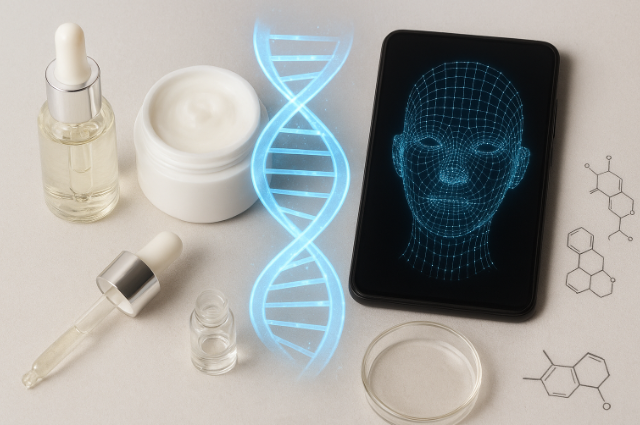
The beauty world jumped fast on trendy phrases like custom skincare, smart labs, or gene-powered products using your DNA. Some companies say a simple swipe inside your cheek unlocks every secret your skin craves - backed by clever tech crafting unique blends just for you. It feels high-tech, fancy, maybe even cutting-edge. Still, what’s real in research often doesn’t match up with flashy ads. Look into the studies behind these promises, then things start looking quite different. Instead of hype, this piece checks if DNA skin products really work, how ads stretch the truth, while also questioning whether they’re right ethically - using SkinDNA® as an example pulled under close inspection.
DNA-focused skincare companies stake everything on one idea - your genes hold a unique plan for perfect skin care. Using spit samples from inside the mouth, they check gene clues tied to skin condition, then say smart software crafts custom products based on that data. Sounds great, yet here’s the catch - genes point to risks, not real-time requirements. What your DNA says may hint at long-term patterns across years, still won't tell you which activities work right now, next week, or by winter.
Genomics really can uncover key characteristics. Studies on skin and genes suggest DNA affects how fast collagen breaks down, how well your body fights damage, tone changes, chances of swelling, sugar-related harm, also reactions to sunlight. These clues help spot lasting risks - yet don't spell out exact product formulas. Like, a change in COL1A1 might mean weaker collagen over time; still, it won’t prove if you need two percent signal proteins, ten percent brightening C, or retinoid every second versus third day. Genetics hints at danger - but doesn't guide care. Just that fact shakes the main claim of DNA-tailored skin routines.
AI helps make skincare products, though not like ads claim. Instead of guessing, it forecasts how ingredients mix, checks if formulas stay stable, judges whether pH levels match up, and also looks at chances for skin reactions. Still, most beauty brands feed their systems basic ingredient lists rather than detailed genetic info. Even when DNA’s involved, it doesn’t change - unlike real skin, which shifts daily. Daily shifts from weather, rest, food, body chemicals, dirty air, or harmed skin aren't seen in DNA info - so calling it an "AI chemist" feels less like real science, more like catchy labelling.
This gets easier to see by looking at SkinDNA® - a big name in gene-based skin care. While they say they check 16 genes through five body processes, building custom blends using smart algorithms. Ads keep pushing ideas like "one-of-a-kind DNA mixes," or "proof-backed tailoring," even "real genetic skincare." But going through their research and reports shows some real missing pieces.
SkinDNA® checks key genes - like COL1A1, which affects collagen, plus SOD2 and GPX1 tied to fighting skin stress, while IL6 and TNF link to swelling; on top of that, MC1R or TYR play roles in tone. These markers actually matter in skin genetics. Yet the studies behind it use few people, skip solid medical comparisons, also offer no real proof that gene-targeted products work better than regular expert-recommended regimens. What's more, the actives suggested post-test - such as niacinamide, vitamin C, ceramides, certain peptides, retinol, or hyaluronic acid - are common in most routines anyway. Several reviews found user-specific mixes overlap by around 70–80%, meaning "personalized" plans might just be standard advice labelled fancy.
The ethics here are tougher. DNA isn't like checking your skin type or moisture levels - it's fixed, unique biological info. Firms such as SkinDNA® slip in terms that let them use stripped-down data, share it externally, keep it for years for studies or make goods. Data thought to be anonymous might still get traced back. A hack that exposes your DNA sticks around forever - genes don't get reset. When it comes to something non-essential like face cream, handing over genetic details means big danger for little payoff.
Overall, science and ethics point to one clear takeaway - DNA skincare sounds smart but lacks proof. Genes show inclinations, not exact routines you can follow. Sure, AI helps, though it doesn’t really need your DNA to mix products. Proof supporting gene-based skin treatments? It’s thin, shaky, and often missing. On top of that, keeping your genetic info stored brings dangers way bigger than any iffy perk these companies promise.
Genome-based skin care sounds cool, yet right now it's pricier branding rather than solid proof-backed tech. Should upcoming studies better link genes to how well creams work, then real change could happen in beauty products. Still at present, what companies call advanced DNA-driven formulas feels more like smart-labeled basic routines wrapped in sci-fi talk.
. . .
References:
- Sulem, P. et al. looked into what genes affect skin colour in people - published in Nature Genetics back in 2007.
- Vierkotter, A., Krutmann, J. “How surroundings affect skin ageing.” Journal of Dermatological Science, 2012.
- Zeng, W., along with others, explored how gene studies help skin science. Their work appeared in a journal about skin research back in 2018.
- Krutmann, J., Bouloc, A. Skin changes over time, plus how light affects it. Springer, 2017.
- Marson, J.W., along with others, looked into how genes affect collagen processing - skin health ties into this. The study came out in a journal about skin research back in 2019.
- Gymrek, M. “Identifying Personal Genomes Using DNA.” Science, 2013.
- Puri, S., along with others, looked into how artificial intelligence helps make beauty products - found some cool uses but also clear limits. The work appeared in a science journal focused on cosmetics back in 2021.
- Phillips, A. (2020). Ethical concerns around DNA tests for shoppers. Journal of Bioethics.