
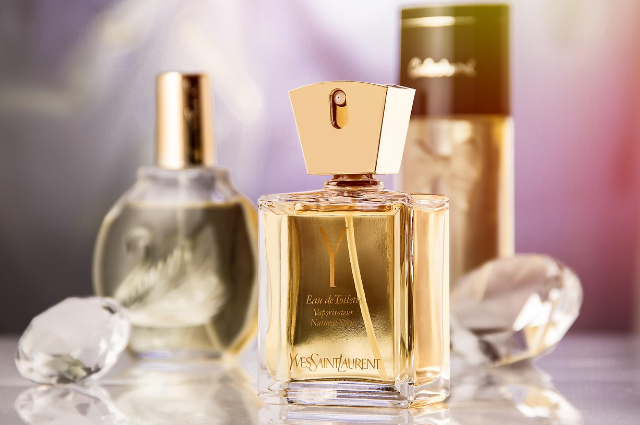
India's scent scene isn't just growing - it's transforming in subtle, human ways. This change digs into emotions, habits, and even who people think they are. For years, getting ready meant sticking to sprays that barely lasted, roll-ons, or fancy bottles saved for big events like marriages or holidays. Those days are gone now. City folks, particularly younger ones, treat scents more personally - like a signal of confidence, vibe, individuality, sometimes rebellion. Fragrances with depth, scents that borrow from classics, old-school attars making a comeback, or picking smells based on how you feel - these reflect a bigger cultural change. These days, smelling luxurious isn't only tied to cash - it's more like showing your identity and which circle you fit into.
The biggest hint of this shift? A flood of budget-friendly fragrances is copying high-end designer smells. Instead, these aren't rare finds - they’re everywhere in urban spots such as Mumbai, Delhi, Bengaluru, and even Hyderabad. Take Baccarat Rouge 540 by Maison Francis Kurkdjian - priced at nearly ₹28,000 for 70 ml locally - but you can grab a homegrown match for less than ₹2,000. Despite the lower cost, it flies off the shelves every time. Retailers notice people grabbing several bottles in one go - even when they don’t need them - just to stick with the same scent. It’s not about necessity; it’s about staying recognisable through fragrance. Young buyers aren’t after something merely nice - they’re chasing a high-end feel. A whiff should whisper luxury when you walk by. Yet, cost still matters - they won’t break the bank for it. This isn’t old-school status seeking - it’s everyday pampering within reach.
Still, scents aren't just simpler to get - they’re now showing off status differently. In India, people have always liked things that shout achievement - like cars, phones, gold, or name-brand tech - but those feel obvious and expected. Fragrance works quieter, smarter. For folks climbing up or already well-off, the smell you trail tells others about your style, polish, maybe even what parts of the world you know. At fancy weddings, office parties, or hangouts, folks judge others based on appearance - but also smell. Using a nice-smelling spray hints you’re into finer things, no matter if the bottle came from a discount rack. Here’s the twist: lots want to seem classy, not 'cause they truly like it, but ‘cause rich people wear those scents. It's hard to tell where real preference ends and chasing approval starts. Still, the habit sticks - because perfume sends quiet messages money rarely can match.
The bond people feel with scent is different these days. Gone are the days when cologne was only for big events. City kids treat it like part of their everyday grind - kinda like washing your face or picking an outfit. These days, it's less about smelling nice, more about showing mood or personality. Some folks smell like rain when it’s gloomy, others go citrusy at sunrise. Fragrances chat about your vibe - what kind of morning you’re having, where you're headed. Mixing scents isn’t random - it’s more like painting with smells, blending this with that instead of sticking to just one. It feels special, almost like a habit you do on purpose each day, shaping who you feel like being. Because people want options now - not only one scent - they grab three or four, matching them to moments, not rules.
It might seem like this all comes from the West, yet that misses how deeply scent runs in India. Things like attars, incense, sandalwood - these weren’t just smells, they stood for status and taste through time. Rich households once burned or wore them during ceremonies, parties, and even when visiting others. So what's happening now isn't fresh - it's more like a fresh take on something old. Local labels now use homegrown scents along with old-school attar mixes, yet wrap them in fresh designs. That way, Indian fragrances stay current - without feeling either stale or imported. Shoppers today grab French-style spray bottles as well as updated versions of heritage oils, mixing worldwide tastes with regional pride. So this wave isn't mere copying - it's a blend born from history meeting today.
A smell trend isn't just about scent - social forces shape it too. Research on how Indians shop reveals scents can lift someone's status. Those from poorer families tend to view cologne or perfume as proof of grace and self-worth. When life gets steadier, or when moving up from villages to metro areas, wearing fragrance eases entry into city worklife. Smelling good gives a sense of forward motion. It quietly shouts success. Smelling rich isn’t always for attention - often, it’s tied to inner pride, sureness, or like you finally made it. In such cases, perfume hits deep mentally. That smell? It stands for shift, fitting in, and also carving your own identity.
Still, despite such a rapid rise, the perfume trend hides some odd twists. Budget-friendly luxuries weaken uniqueness. If everyone’s wearing a ₹20K scent at just ₹1,500, standing out gets harder. Shoppers want something different, yet go for what others approve - mostly copies of top worldwide hits. Folks claim they pick scents for fun, though picks follow crowd-approved ideas: warm amber, earthy musk, rich oud, sweet vanilla, crisp watery notes, or Paris-style mixes. The struggle to stay true to yourself while fitting in never really goes away. Yet perfume finds itself right where real meets fake.
The real story behind India’s love for fancy smells? Scent helps shape who you’re seen as today. It tweaks first impressions, lifts mood, shows off status, shares feelings, or brings back old traditions - often at once. Stacking different perfumes isn’t just trendy; it mirrors how layered life feels for youth caught between dreams, emotions, and society's rush. When climbing the social ladder feels fast, messy, even cutthroat, fragrance gives something steady - a quick, quiet signal of your present self, future hopes, and what image you’d like to project. The rise in perfumes isn't just skin deep - it's tied to how India’s mindset is shifting. What people buy now reflects new attitudes, not old habits.
. . .
References:
- Statista. (2024). Fragrance Market in India – Industry Overview & Growth Forecasts.
- Insight: Youth-driven fragrance adoption and rise of premium scent demand.
- Mintel. (2023). Gen Z Grooming & Personal Fragrance Behaviour – India Report.
- Insight: Indian Gen Z prefers personalisation, scent-mixing, and “signature smell identity.”
- Kantar India. (2023). Digital Influence Report – Beauty & Personal Care Purchases.
- Insight: Social media drives 40%+ fragrance discovery among young consumers.
- Economic Times Retail. (2024). Indian Niche Perfume Brands Gain Momentum Through Social Media.
- Insight: Bella Vita, Renee, and Auli use layering content + influencers to scale sales.
- Vogue Beauty. (2023). The Global Rise of Fragrance Layering and Its Cultural Shift.
- Insight: Layering trend popularised worldwide via niche perfume houses and creators.