
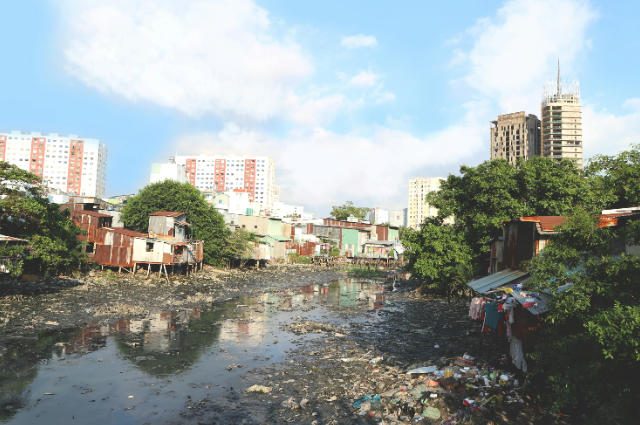
By 2026, managing water in India had ceased to be just an ecological concern — it had become a full-blown emergency. Not one ranking, local or international, shows improvement; each paints a steeper drop. Without clean taps, rivers turning toxic, wells drained beyond recovery, and institutions failing to act, the country now trails near the lowest worldwide. Lives suffer first — health crumbles, farms stall, factories slow, money stops moving, trust wears thin.
Right now, worldwide measures of water cleanliness show how serious things have become in India. The Global Water Quality Index — backed by the World Bank and NITI Aayog — puts India near the bottom, at about 120 out of 122 countries. That means very few nations do worse when it comes to giving people clean drinking water. About seven out of ten water supplies across India carry some kind of contamination, thanks largely to factory waste, raw sewage, chemicals washing off farmland, along with bacteria and germs. Flooded banks, still waters, yet hidden flows beneath — each now carry more than just liquid. Research after research shows around two hundred thousand lives lost yearly across India because dirty water spreads sickness fast.
Right now, India checks how well it manages water using a tool called the Composite Water Management Index, made by NITI Aayog. This report paints a troubling picture. The agency says the nation is going through its most severe water shortage so far. Around 600 million citizens deal with serious levels of water scarcity every day. States like Gujarat, Andhra Pradesh, and Madhya Pradesh have done somewhat better over time; still, their efforts fall short when measured against national needs. From one end of the country to the other, problems linger — saving water, refilling underground sources, bringing back lakes and ponds, and getting supply systems to work properly.
Bottom of the pack — that’s where India lands in the latest Environmental Performance Index, a ranking shaped by researchers at Yale and Columbia. Hovering near 176 out of 180 nations between 2024 and 2026, its position signals deep struggles. When it comes to clean water and proper sanitation, things get even worse. Faulty sewage networks, undrinkable tap water, crumbling hygiene frameworks — these drag down how India shows up worldwide. Global eyes notice. Progress? Not really seen yet.
What drags down these scores? A major reason sits beneath the surface — dirty water on a massive scale. Even though officials say city supplies are cleaner now, raw waste still finds its way into pipes meant for drinking. Outside urban zones, clean taps stay out of reach for too many households. When sickness spreads through tainted water, clinics struggle under the weight, while workers miss days, slowing everything else along with it.
Water access keeps shrinking across India. Below 1,700 cubic meters per person each year now — right under the mark where experts flag stress — and some areas near 1,000, which means true shortage. Growth in people, shifting weather patterns, cities spreading without planning, alongside farming that uses too much, all push supplies lower. Shortages happen more often because of these pressures.
Water levels below ground keep dropping across India. The country pulls more underground water than any other, taking a quarter of what the planet uses. Places like Punjab, Haryana, Rajasthan, Uttar Pradesh, and parts of the south see wells running low fast. Rain and soil can’t refill it as quickly as people take it out. Depending on deep drilling grows when shallow supplies fade.
Water troubles aren’t just harming nature — they’re putting pressure on India’s financial future. Without major upgrades in how water is handled, losses might hit 6% of GDP by mid-century, specialists say. Farms, factories, jobs, and meal stability — each stands at risk when supplies run low. People in villages, plus those already struggling financially, will feel it most sharply.
Now is the time for India to shift from promises to real steps that hold weight and track results. Big funding for clean water networks and delivery systems can’t wait; neither can rules on pumping underground supplies. Factories dumping waste need tighter limits — no delays. Farm methods using less water should spread fast, supported by clear incentives. Linking dirty water reports directly to clinics makes sense when tracking illness. If changes stall, expect lower marks globally instead of progress ahead.
Reference –
- World Bank – Quality Unknown: The Invisible Water Crisis (Water contamination, health impact, and economic loss due to poor water quality)
- World Health Organisation (WHO) – Drinking-water Fact Sheet (Deaths and diseases caused by unsafe drinking water)
- NITI Aayog, Government of India – Composite Water Management Index (India is facing its worst water crisis; 600 million people are under water stress)
- Yale & Columbia Universities – Environmental Performance Index (EPI) 2024 (India’s low ranking in sanitation and drinking water)
- UNESCO – World Water Development Report (India extracts over 25% of global groundwater)
- FAO (UN) – AQUASTAT: India Country Profile (Water stress threshold and per capita water availability)