
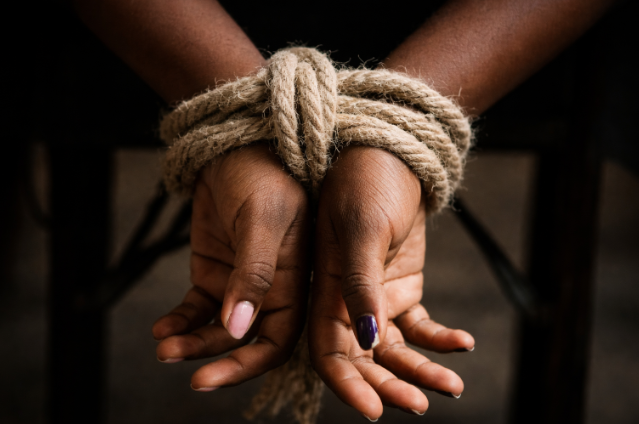
Still, while India rushes ahead in the 2000s, weddings in some places aren’t shaped by affection or choice—they’re arranged under threat of violence. In areas like West Bihar and East Uttar Pradesh, a ritual called Pakadwa Vivah sticks around, showing how rough life can get. That term means grabbing a single man off the street, then making him marry whether he wants to or not. It’s more than just an old-fashioned quirk; instead, it grows from dowry demands, pressure that wears people down, and laws that never really step in. You might wonder why these men don’t walk away—this isn’t curiosity, it pulls back the curtain on broken promises inside Indian marriages.
Captured—that is what Pakadwa stands for. Forced weddings happen when a man is taken, then married off, pretending it follows faith customs. From the 1970s onward, this started spreading quietly across certain areas. Now, in some regions, people still do it without hiding too much. Videos pop up often: men sobbing, stuck among gun-carrying family members during ceremonies done at knifepoint. When vows come through fear, they break human dignity instead of honoring tradition.
Money drives Pakadwa Vivah, not feelings. Across northern India, weddings have become deals shaped by dowries. Those with steady work—like clerks, doctors, or schoolteachers—get labeled valuable matches. Families tied to them may ask anywhere between ₹20 lakh and ₹1 crore. Such sums lie far beyond reach for many in villages or struggling households. A harsh math takes over: grabbing a man through hired muscle costs just ₹2–5 lakh, much less than twenty times that. This shortcut makes cold sense when viewed only through cash. The custom thrives because systems around it have failed, revealing deep rot beneath normal appearances.
A trap set in motion long before it snaps—that’s what Pakadwa Vivah really is. Trust opens the door; often it’s someone known, like a cousin or childhood buddy, who pulls the string. An offer comes up—maybe work, maybe just tea at a relative’s house—seems harmless enough. Distance grows between him and safety, moment by moment. Then silence replaces routine. Days blur while fear tightens its grip through shouts, slaps, and sleepless nights. The mind bends where force does the talking. Wearing wedding clothes, he arrives at the temple only because the guards force him there. When ceremonies happen like this—against someone’s will—they hold no weight in law or conscience.
Even with such harsh conditions, plenty of men stay trapped in these arranged unions. Not due to some happy resolution, but simply because better options vanish. Pressure from family and community weighs heaviest. After the wedding takes place, people act as if nothing can change. Should the man push back, claims arise about harming her future. Fueled by dread of shame, isolation, and mockery, she leans on him until he gives in. Slowly, he begins believing he caused it, staying trapped inside a bond meant to protect someone else.
Fear of the law, plus not knowing rights, keeps people stuck. For years, forced marriages had almost no solid legal protection. Police reports? Often brushed aside. The court steps dragged on forever. Say no, and threats popped up—fake dowry charges, made-up rape claims. With unclear outcomes and danger waiting, staying quiet felt less risky than fighting back.
What happens inside the mind matters just as much. When pressure never stops, when someone is cut off from others, when feelings are twisted day after day, the brain adjusts simply to endure. Experts often link this reaction to something called Stockholm Syndrome, where going along isn’t about agreement but staying safe. It looks like surrender, yet it’s really an inner shield forming under stress. Calling this bond affection does harm; it blurs truth with illusion.
Caught in Pakadwa Vivah, women also face harm. Little say do many brides hold, weighed down by what relatives expect. Still, taking someone against their will finds no excuse here. More suffering doesn’t make the wrongdoing vanish. A forced union remains illegal, whoever it harms.
In late 2023, everything shifted when judges in Patna stated plainly: if fear or force plays any role, the wedding holds no weight. Consent must be real, they said—no exceptions. The court wiped away the legitimacy of forced unions overnight. Men who had been trapped suddenly saw a path out, something unseen before. Still, laws changing don’t mean lives do. Fear lingers. Villages feel different than courtrooms. Pressure from neighbors sticks around. Threats whisper through quiet lanes. Police often look elsewhere. Reality moves more slowly than rulings.
Pakadwa Vivah isn’t just seen in a single region; it grows from deep imbalances tied to money and status across Indian marriages. Unless dowry laws are actually enforced, courts act quickly, victims stay safe, and educational efforts keep going—this custom won’t fade. What really matters? People need to quit calling forceful acts heritage. Calling it tradition doesn’t hide the truth: this isn’t cultural expression—it’s harm done under the cover of ritual.
Reference –
- NDTV News – Reports on groom kidnapping and forced marriages in Bihar (2023–2024)
- Patna High Court Judgment (Nov 2023) – Forced marriages declared void due to lack of consent
- LiveMint – Coverage of Pakadwa Vivah cases involving teachers and government employees
- Maps of India – Historical analysis of marriage-by-abduction in Bihar
- Indian Penal Code & Hindu Marriage Act – Consent as a legal requirement for marriage