
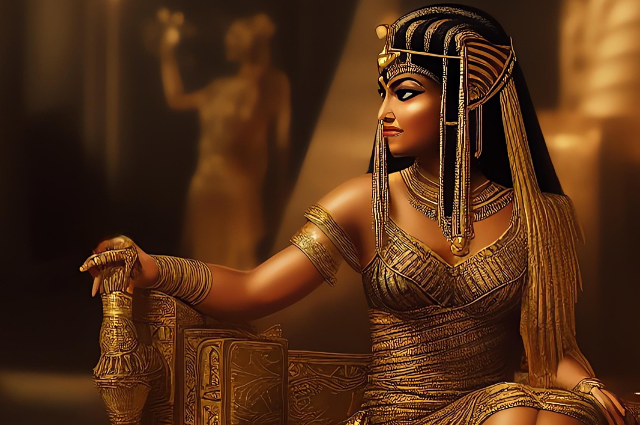
The ancient Egyptians had a different concept of beauty that the contemporary world is only starting to understand. To them, good-looking did not mean showing off and impressing people. It was taking care of your body and leaving your skin healthy, feeding yourself and walking with confidence. They thought that looking good was not only relevant to taking care of your outside but also your inner state. Beauty was not a task or an indulgence, it was a way of life.
Egyptians were practicing rituals, which glorified self-care and identity every morning and every night. Thousands of years later, however, a lot of routines that we think of as such modern tendencies trace back to the Egyptian practices. Their attitude to beauty did not disappear but was transformed into the habits and products that we have to use. Skincare was the most important in Egyptian beauty. Due to hot and dry climate, additional hydration, softness and protection were to be paid. One of their highly appreciated products was honey. They applied it as a moisturizer, healer and to provide a natural glow on the skin way before the introduction of moisturizers. They combined honey and milk, oils or purée herbs and varied their combinations according to the seasons or the needs of the individual skin.
Another type of baths [which were favored] was milk baths, usually prepared with sour milk and softening the skin and purifying it. Washing was never hurried but indolently and meticulously. Natural Nile clays were used to create clay masks that helped to cool the skin and clean the skin by eliminating impurities and scrubs that were made using sea salt, sand, and herbs killed dead skin. When we talk of exfoliation, hydration, and glow routines we refer to what Egyptians perfected a long time ago. They were aware that healthy and glowing skin symbolized self-respect and self-care. Their beauty rituals too included makeup.
Kohl eyeliner was also a symbol which was used in a very heavy makeup in order to outline and guard eyes. Even today, that heavy and dark line is familiar but to the Egyptians, it was not just a matter of style. Kohl also shielded the eyes against infection and blazing sun, as well as enlarged and expressive them.
Eyeshadows were produced with the help of natural minerals such as malachite and galena which made it deep and personal and also the red ochre brought a warm color to lips and cheeks. Egyptians knew about color, tone and upgrading in such a way that even modern make-up artists are inspired. Thousands of years ago the daring yet natural appearance that we admire today such as a soft glam, defined eyes and subtle blush, were a daily affair. Hair was equally important. Egyptians paid much attention to their hair and were fond of experimenting with it.
Head shaving was done as a hygienic practice and to alleviate headache particularly when it was hot and wigs began to be a big thing in their culture of beauty. Their wigs were long, short, braided, curled and layered, each wig being made with oils, creams and natural resins to ensure that they are shiny and smooth. Wigs were a good option as they could be worn to give them a different appearance without damaging their own hair. These archaic activities have contributed greatly to the modern wig styles whether protective or styled fashionably.
Egyptians really knew the power of hair as a means of self expression way before anyone. Another day-to-day ritual was perfume. Fragrance was not only important because Egyptians wanted to smell good but it was also a vital aspect of their identity. They prepared oils using flowers, herbs and resins and their favorite ones were lotus, frankincense, myrrh and cinnamon. These perfumes were used in the skin and the hair and even the clothes giving a feeling of freshness and beauty. Perfume was the finishing touch to an appearance as the glowing skin or styled hair was. When you wear perfume the person says, Your perfume would be a completed outfit, he is repeating the wisdom that the Egyptians had many millennia ago.
Another beauty necessity was henna. They applied it in the coloring of nails, hands and even hair. It was not only made during special occasions; in Egypt they well used henna in their self presentation and fashion. The reddish brown radiance it gave in the sun was lovely, and the slight effects or mild shades were enhancing, though not offensive. Nowadays henna has became a popular body art and hair dye, as well as an ornament all over the world, yet it was a vital element of daily beauty in Egypt back in the day. Care of the body was not limited to face and hands. Egyptians applied almond, castor, moringa, and sesame oils on the skin to make it soft, non-dry, and naturally shiny. These oils were rubbed into the body after bath and the skin was smooth even after the heat and dust. They appreciated smooth skin with even color, which was well taken care of and polished. Nails were also given particular attention. Egyptians groomed themselves and this is indicated through clean, shaped, and tinted nails as an indication of personal pride. Beauty to them was not that of hairs but that of the body itself. Nothing in Egyptian beauty was arbitrary and unimportant. They did not follow the fashion and copy others. They set their own standards and practices and this impact is still evident to date. Whenever someone throws on a face mask, puts on oil, eyeliner, wears a wig, applies henna and perfume, he or she is emulating rituals that the people of Egypt mastered millennia ago. The initial chapters of the beauty account were composed along the Nile and the world has been developing on them since then. Egyptians looked at beauty as a language that conveyed care, confidence and attention to detail. Their rituals embodied unity of nature and beauty and they emphasized on the wish to present themselves in a purposeful and graceful manner. The vestige of that time-honored knowledge is to be found in every moisturizer, eyeliner, haircare oil, perfume, and henna pattern to-day. The light, shine, and assurance we are seeking today are derivatives of the rituals Egyptian long ago. This is the reason why Egyptian beauty is eternal, motivating, and incomparable. It is a heritage of nurturing, craftsmanship and consideration that is still felt in the way the world interprets real beauty.