
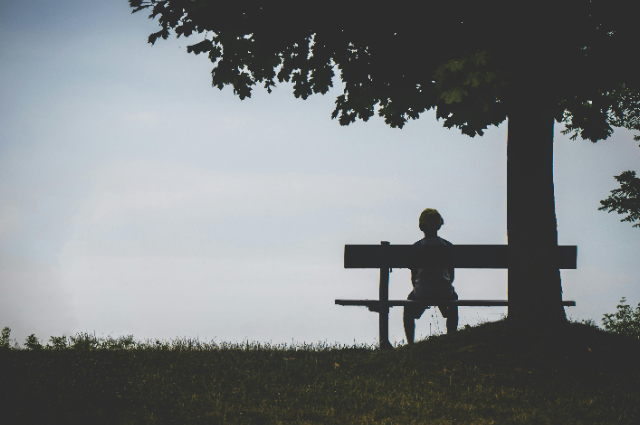
The combination of two factors has led to the popular explanation of psychological disorders as a chemical imbalance of the brain for decades. Low serotonin was held responsible for depression, overactive stress hormones of anxiety, and dysfunction of dopamine of schizophrenia. Although the chemistry in the brain is recognised to be of paramount importance, this is not a complete and, at times, misleading explanation. It gives the impression that mental insanity is a mere biological accident- something that occurs just within the skull. As a matter of fact, the human brain does not live in a vacuum. It grows, responds and adapts to the surrounding world. This is the reason why psychological disorders cannot be comprehended without going beyond the brain to the surroundings where an individual lives.
The current psychology has turned into a dependent of what has been termed the biopsychosocial model. This model is based on the assumption that mental disorders represent the interaction of three forces: biology (the brain and genetics), psychology (thoughts, emotions, and coping skills), and social environment (family, culture, trauma, poverty, and relationships). None of these are acting independently. On the contrary, they influence each other in strong ways. An individual might not be biologically immune to depression, but the expression of the vulnerability usually depends on the occurrences in his or her life.
Stress is one of the most powerful environmental factors of mental health. The brain changes when an individual is under constant stress, which can be financial strain, academic stress, domestic stress, or discrimination. Danger is dealt with by the body through the release of cortisol and other stress hormones. This system is useful in brief intervals. However, when stress is chronic, it impairs the brain areas involved in mood, memory and decision making. Studies have indicated that the hippocampus, which is an emotional control part of the brain, can be reduced in size with stress causing prolonged stress and leaving individuals susceptible to depression and anxiety. The brain is literally restructured in this manner by the environment.
Another strong environmental influence is that of trauma. Childhood abuse, neglect, sexual violence or seeing death are experiences that can change the way the brain reacts to the threat. The brain circuits of people with post-traumatic stress disorder (PTSD) are hyperactive in response to fear within the amygdala. This causes them to be ever on the move even in the absence of a threat. Nonetheless, these changes did not come out of thin air. They evolved out of the experiences of overwhelming. It was the adaptation of the brain to life in a hazardous environment, but these adaptations were subsequently symptomatic of a disease. This demonstrates that most of what we refer to as brain abnormalities are a form of our responses learned in real life.
Relationships and family are also significant issues in mental health. Being brought up in a supportive family where feelings are considered makes the brain regulate emotional conditions properly. Conversely, growing up in a surrounding where people are critical, neglected, or unstable may cause an individual to be more vulnerable to stress and rejection. This may result in the threat of disorders, such as depression, anxiety, and personality disorders. Toxic relationships, loneliness, or conflict can exacerbate existing mental health issues even in adulthood. As human beings, we are social, and once our social environment is no longer safe, our mind suffers.
Another critical factor that is not considered critically is the socioeconomic conditions. Poor housing, poverty and unemployment are a constant pressure and lack of access to education. Hopelessness, fear, and exhaustion are more likely to be manifested when people are unable to cope with their basic needs. All these are not weaknesses, but they are normal responses to a challenging situation. Research has continuously recorded an increased prevalence of mental illnesses in communities where there is inequality and social instability. By this, mental health is not a personal issue but a social problem.
Psychological disorders and their experience are also culturally stigmatised. Mental illnesses are regarded as shameful or a punishment of a spiritual nature in most societies. This will avoid individuals seeking help, whereby the symptoms may get worse. The expression of distress is also culturally based. Other individuals might complain of physical pain as opposed to feeling sad, since their culture does not encourage them to express their feelings to others. It is therefore imperative to learn the cultural background of a person to enable correct diagnosis and treatment.
The environment is not only the cause or aggravator of disorders, but it may also cure. An example is therapy, which is effective because it helps people to be able to express their thoughts and feelings without being afraid in a safe and conducive environment. This can rewire negative brain patterns over time. Social support: It has been demonstrated that social support, in terms of friends and family or support groups, diminishes depression and anxiety symptoms. Mental well-being can be greatly enhanced by even a mere change of environment, including regular exercise, good housing and meaningful work.
This does not imply that the brain chemistry is irrelevant. Drugs such as antidepressants and mood stabilisers may be life-saving, particularly when it comes to serious conditions. Nevertheless, a toxic environment, unresolved traumas, and chronic stress cannot be rectified by medication only. The treatment of psychological disorders can only be effective when it deals with the brain, as well as the surrounding world. By narrowing down to chemicals, we will run the risk of attributing the individuals to their sufferings rather than the phenomenon of large forces.
To wrap up, psychological issues are not the brain's only problems; they are closely tied to the surroundings where human beings live. The brain functions and develops mentally under the influence of stress, trauma, relationships, poverty, and culture. The theory of a mere chemical imbalance cannot be maintained anymore. A more realistic and understanding viewpoint appreciates that mental health is the result of biology and experience. Through bettering not only the medical care but also the social conditions, we will be able to make this world a better place to deal with healthier minds and healthier lives.
References
- American Psychiatric Association (2013).
- Diagnostic and Statistical Manual of Mental Disorders (5th ed.). Washington, DC: APA.
- Engel, G. L. (1977).
- The need for a new medical model: A challenge for biomedicine. Science, 196(4286), 129–136.
- McEwen, B. S. (2007).
- Physiology and neurobiology of stress and adaptation: Central role of the brain. Physiological Reviews, 87(3), 873–904.
- van der Kolk, B. A. (2014).
- The Body Keeps the Score: Brain, Mind, and Body in the Healing of Trauma. New York: Viking.
- World Health Organisation (2014).
- Social determinants of mental health. Geneva: WHO.