
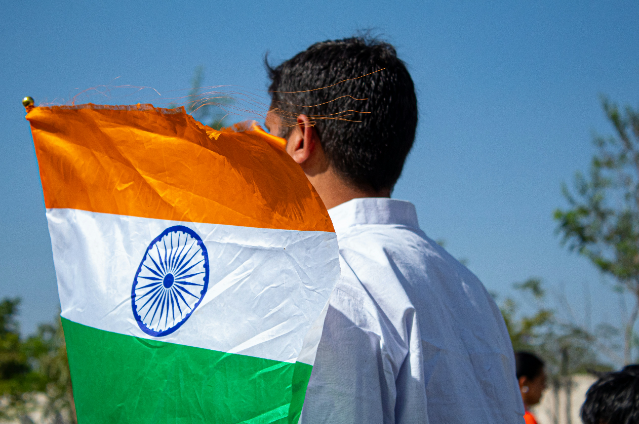
A small shopping excursion in the Selaqui region of Dehradun, Uttarakhand, on December 9, 2025, became a nightmare to 24-year old MBA student Anjel Chakma and his younger brother, Michael. The brothers were reportedly victimized by racial slurs by a bunch of men as they were going through a busy market. The confrontation became violent when Anjel stated that he was not Chinese but an Indian. He was beaten up using sticks and a knife, and he suffered severe head and spinal injuries as a result. Anjel died on December 26, 2025, after a seventeen-day struggle with his wounds. The outrage was national following his death, especially in the Northeast, and it also created awareness of the race against the daily challenges experienced by the people of the region in other parts of India.
To a great number of the young people of the Northeast, such an event is a sad commentary on reality. It is not unusual to be asked about what your nationality is, mocked because of your appearance, or called foul epithets like: Chinese, Chinki, or momo. These insults, though they may pass as casual to certain people, have a psychological depth to them. They convey the exclusion, indicate the otherness, and compel individuals to insist on who they are always. The last words of Angela were not defiant; it was a statement of belongingness in a country that is supposed to be a home, but to many people of the Northeast, it can be very unfriendly or even unresponsive.
Following his death, there were demonstrations in Tripura, Assam, and other states of the Northeastern region. Students marched in the streets of the city bearing placards with the color sign of Stop Racism, Justice for Anjel, and We Are Indians. Northeastern students conducted candlelight vigils in Dehradun and mourned, fearing, and angering. To most subjects, the tragedy was not an isolated instance of violence but a case of a lifetime of built-up prejudice, microaggression, casual comments, and discrimination in the social and societal environment that dismantles a sense of belonging.
The killing was condemned by political figures of both parties. Student organizations and regional parties called for more serious anti-racism laws, claiming that the current laws are not sufficient to deal with the crimes committed with racial prejudice. It was stressed by many that Northeastern students have been harassed and abused in case they live outside their home and that some changes in the system are needed to avoid such tragedies in the future.
The police reacted by establishing a Special Investigation Team (SIT), and several arrests were made, including minors. A reward was declared for the capture of the prime suspect, who allegedly escaped the state. In the meantime, the National Human Rights Commission requested the Uttarakhand government to provide reports concerning the safety of students in the Northeast. On the one hand, there have been contradicting accounts of whether the attack was racially motivated or not, and some authorities have even indicated that the attack could be a heated argument, rather than racial aggression. Yet, civil society organizations and the family of the victim have stated that the racial aspect cannot be overlooked as it disregards a core aspect of the tragedy.
In addition to the court cases, the death of Anjel enables us to look at the psychological costs of identity policing. The youth in the northeast tend to manoeuvre in a world where they have to constantly prove they are really who they are, what their origin is, or that they are Indians. Such encounters might seem trivial, but this builds up over time, resulting in stress, anxiety, and emotional fatigue. The identity is brought to the negotiating table, and to be cautious, instead of being proud and confident.
The frustration and weariness of this experience are reflected in the final words of Angel. The statement I am Indian should not be a security device; however, to most of the Northeastern students, they must always declare their identities. To live in a place other than their home states may generally involve deciding the time and manner when it is safe to talk, when it is safer to remain quiet, and when defending their dignity may lead to aggression. This state of constant watchfulness has an intangible emotional cost as it leaves people socially, mentally, and emotionally exhausted.
The story also reveals weaknesses in the Indian system of dealing with hate crimes. When racial violence is not specifically acknowledged by the law and the psychological damage of the racial slurs, justice will fail to completely recognize the character of the crime. This is not only a prosecution and sentencing gap but a message that racial discrimination is a lesser issue. When a society fails to recognize and deal with this type of harm, vulnerable communities are put at risk of it, and the cycle of fear, marginalization, and trauma continues.
Fundamentally, the outrage over the death of Anjel is a call to be noticed and accepted. The Northeastern communities are a part and parcel of the cultural and social life of India, but the occurrence of such a case indicates that the inclusion is as fragile as possible. The national identity must not be conditional and contested, depending on the appearance, accent, and region of origin. Dignity, respect, and safety are rights that every citizen is entitled to regardless of the section of the country they originate.
The family of Anjel is still mourning as the legal investigations are ongoing. His younger brother, Michael survived the attack but bears some physical and emotional scars. Their sorrow is reflected in the number of families in India who worry as much about the security of their children when they are not at home.
The story of Angel Chakma is not just a personal tragedy; it is an indication of the society that is not yet ready to accept and comprehend. The last words that he makes, which is a statement that he is who he is, are a bitter reminder that one cannot just be a part of something; he must be granted. Justice to Anjel not only requires the perpetrators to be accountable but also requires the systemic prejudice that exposed him to death.
The case of Anjel and his death is a wake up call. It is a social problem to make it clear that no one bears the responsibility to identify himself to continue living. His life and demise require sympathy, consciousness and tangible change. As long as the citizens of all parts of India will be able to exist without the fear of being discriminated, the tragedy of Anjel Chakma will continue to act as a grim reminder of the fact that India is still in the battle with the issue of racial prejudice and identity-based policing.
. . .
References:
- Anjel Chakma (Student, Tripura)
- The Hindu: Tripura student Anjel Chakma's death a horrific hate crime
- LawBeat: PIL in Supreme Court Seeks Hate Crime
- Guidelines After Anjel Chakma Murder
- The Hindu (Updates): North East students' body demands death penalty for accused in Dehradun
- EducationWorld