
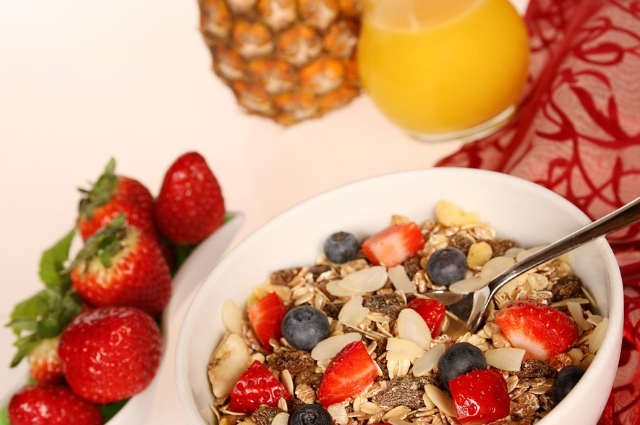
The dieting concept has been overpunished and misinterpreted in a world where the trend of losing weight is like a fashion wave, rising and falling. The attitude to food that many people have is that of temporary denial that they can just have it good within a few weeks of being strict, and then they will attain a certain ideal shape or size. And such an attitude is deeply erroneous. True, lasting good health is not achieved through abusing the body through starvation. Rather, it is a result of a consistent and caring relationship with food; it views healthy eating as a long-term way of life and not a temporary diet.
Healthy eating as a way of life implies the inclusion of balancing and nourishing food choices in everyday life in a natural and comfortable way. It is not something forced; it does not make you feel that you are deprived of the pleasures of life. Rather, it is incorporated in who you are, like a habit that is as natural as brushing your teeth. Consider the case of Aisha, a 35-year-old Lagos teacher in Nigeria. She experienced weakness and constant sickness. She gradually started using more fruits, vegetables, and whole grains in her diet by not adhering to trendy detox programs. Within two-plus years, she reported being able to control her weight, have better concentration at school and fewer sick days. This demonstrates that there are no shortcuts to healthy eating, but rather long-term habits.
Emotionality is the largest distinction between a diet and a lifestyle. Diets are accompanied by stress, guilt and result pressure. When people go against a diet rule or commit something prohibited, they are usually ashamed of it. However, once a healthy diet is made a lifestyle, food does not serve as a platform for a moral fight anymore. You can have a piece of cake at a party, or you can have a favourite comfort meal now and then, and it will not be considered a failure. It is nothing but living a life, a little hint of pleasure in a bigger series of good decisions. You do not punish yourself anymore for it, as you believe it is your long-term habits that count.
Learning to listen to the body is also another important requirement of healthy eating as a lifestyle. People learn to identify their own indicators instead of depending on the outside guidelines or fads on how to eat. David, a 28-year-old software developer, found that avoiding the consumption of processed snacks and drinking water instead of soda made him more alert at the workplace. It was not a fad diet he was on; he simply made small, regular adjustments. As the days went on, he started shedding some pounds, and he also felt more lively during the day. This form of awareness is a natural development that assists the creation of a relationship with food based on self-knowledge as opposed to rules.
Lifestyle healthy eating does not entail the rejection of food groups or categorising food as healthy and unhealthy. Diet culture is a lesson on limitation, concerning low-carb, no-fat, no-sugar, detox-only, starving, low-calorie cycles and the promotion of a discourse that makes people think that smaller is healthier. However, a variety of nutrients is beneficial to the human body. Carbohydrates provide energy, fats keep the brain active, hormones balanced, proteins maintain and build tissues and fruits and vegetables contain the necessary vitamins and minerals. Balance and not eradication bring true wellness. Some communities, such as Hunza in Pakistan, one of which has a higher number of elders over 90, indicate that diets comprising fresh foods and whole grains and natural foods result in longevity and vitality. They have a natural eating habit, eat together as a family, and they will never be concerned with calories and which is why they know that lifestyle is more important than the temporary restrictions.
Besides, a healthy lifestyle of eating benefits a person with much more long-term consequences than a quick-fix diet can ever have. Diets are also known to bring immediate noticeable results at a sacrifice to long-term health. Due to the reason that the dieting process was unsustainable, many people lose weight quickly and later on put it back on as soon as the diet is discontinued. Gradual change is introduced by a lifestyle approach, however. The transformations are less rapid; however, they are more stable. However, in the long term, individuals start to perceive more profound advantages: they feel more energised, their thinking becomes more lucid, their mood improves, their skin becomes healthier, their immunity is stronger, and their weight gains more stability, and the overall body performance becomes more functional. This is backed by a 2020 piece in the American Journal of Clinical Nutrition, which found that individuals who consumed a diet high in vegetables, legumes, and whole grains were found to have a 25% reduced risk of developing type 2 diabetes over 10 years of follow-up when compared to those on restrictive fad diets.
The lifestyle strategy also promotes a healthier cultural association with food. The lifestyle in many societies has developed into high-process, fast and convenient food consumption due to limited time in the modern world. Still, when deciding to lead a healthy lifestyle, most individuals revert to the process of cooking, selecting their ingredients more thoughtfully, and experimenting with natural ingredients. Cooking is now self-care and not a burden. Individuals are taught to savour the easy process of cooking and consuming good meals, and this builds a favourable feeling of attachment to eating.
The other good thing about this lifestyle is how it changes motivation. Food is driven by extrinsic aspirations: I have to fit into this dress, or get abs in summer, or arrive at a particular weight. But those motivations fade. Healthy eating is an internally oriented lifestyle that is motivated by the following internal goals: feel strong, remain mentally alert, age gracefully, live longer and be physically active in the long run. These are my intentions, meaningful and permanent. They indicate not only the way a person would like to be viewed, but also the way he or she would like to live.
Finally, living a healthy lifestyle through healthy eating enables one to take care of their body rather than attacking it. It includes deeming food fuel, medicine, and nourishment. It implies a liking to eat instead of being afraid of it. It implies the acknowledgement of health not being judged by numbers on a scale only, but by the state of vitality, clarity of mind, balance of emotions, and comfort of the body. Ultimately, it is not surviving on a limited diet but flourishing in a sustaining lifestyle, a lifestyle where one views food as a friend in the quest to live a life of wellness.
References: