
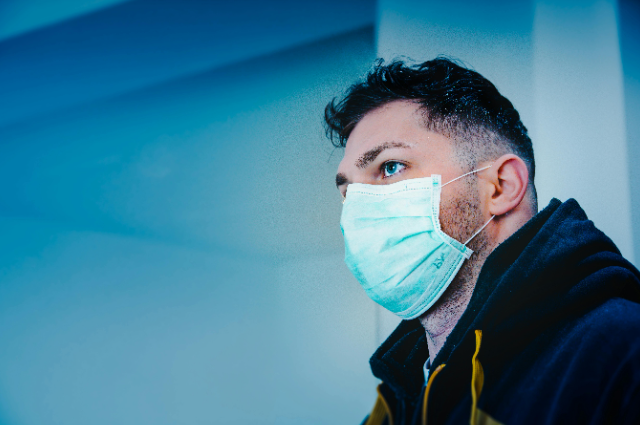
Nipah virus is not a very common infectious disease, but it is one of the most dangerous infectious diseases to date. It is a zoonotic virus, i.e. animal to human, and it infects the brain and lungs mainly. The most concerning thing about the Nipah is that it has a high rate of fatality, as well as the seriousness of the disease. A minor outbreak can cause severe health-related issues as it leads to mass distribution and has life-threatening complications.
The first outbreak of the virus occurred in 1998 among pig farmers in Malaysia. This disease was named after Kampung Sungai Nipah, the village where this disease was initially discovered. Outbreaks have since been reported in a number of regions in South Asia, and specifically in Bangladesh and India with Kerala in India recording recurrent outbreaks. Such outbreaks have justified the role of awareness, surveillance and prevention.
The natural reservoir of the Nipah virus is the fruit bats or the flying foxes. Interestingly, these bats transmit the virus yet they do not reveal any illness. The reason behind this is that their immune systems are peculiarly conditioned to live with the virus. But once the virus is passed to humans or other animals, it can lead to a serious illness. Nipah virus spreads to humans in three major ways. To begin with, human beings may be infected when they eat fruits that were partially consumed by infectious bats or raw date palm sap contaminated with bat saliva or urine. Second, the virus may be transmitted by sick animals that are intermediate vectors, like pigs. Third, and possibly, the most alarming, human-to-human transmission via close contact, body fluid, or respiratory droplet. Although Nipah is not easily transmitted like other common respiratory diseases such as flu, close and prolonged contact is a significant determinant.
Scientifically, the Nipah virus is a paramyxovirus and is an RNA virus. After it gets inside the human body, usually as a result of breathing it in via the nose, mouth, or eyes, the respiratory system initially becomes infected. It is then passed to the body through the blood to the body's vital organs, particularly the brain and lungs. The virus enters the human cells and commandeers their machinery such that they end up producing high numbers of new virus particles. This occurs and destroys or damages the infected cells, causing extensive tissue damage.
Nipah virus infection has symptoms that normally appear after 4-14 days of exposure, although in some instances, they can take up to 21 days to manifest. The initial signs are usually mild and similar to those of other diseases. These involve fever, headache, muscle pains, sore throat, and vomiting. Nevertheless, the illness may soon develop into a deadly and intense one. Among the most significant complications of Nipah infection, there is encephalitis, which is a brain inflammation. The patients can start feeling confused, drowsy, suffering seizures, and exhibiting abnormal behaviour. In extreme instances, they can enter into a coma. The brain can become swollen, causing irreparable neurological damage or death.
Nipah virus can cause serious effects on the lungs, besides affecting the brain. The patient might experience acute respiratory distress, in which the lungs become fluid-filled, and it is very hard to breathe. This is a combination of a neurological and respiratory complication, which makes the disease especially fatal. Nipah virus infection has a fatality rate of about 40 to 75 percent basing on the outbreak and the extent of medical attention provided.
Nipah virus has no particular cure or any vaccine that is readily available, which is one of the main challenges in managing it. The therapy is predominantly supportive in the sense of alleviating symptoms and supporting critical functions. Hospitalisation, oxygen, intravenous fluids, and intensive care support are often needed by the patients. Early diagnosis and early medical treatment can considerably increase the survival rates, but access to modern healthcare centres is a determining factor.
Overcoming a Nipah virus infection does not necessarily imply that it was completely cured. Most of the survivors have long-lasting health issues, especially because of brain damage. These complications have the potential to develop such challenges as memory loss, concentration problems, personality shifts, and seizures, which may lead to epilepsy. Physical disability like muscle weakness, walking difficulty and speech problems are also common. Besides this, survivors might experience mental health problems, such as depression and anxiety, during their process of managing the aftermath of the disease. In infrequent instances, the virus has lingering effects, as those who had recovered in the past may develop late-onset encephalitis several months or years after, which indicates a lasting effect of the virus.
Nipah virus is not entirely curable; therefore, the best approach to counteracting Nipah virus infection is prevention. The measures in public health are aimed at minimising the risk of animal-to-human transmission and minimising human-to-human transmission. It is recommended that people ensure that fruits are washed meticulously before eating and not eat fruits that seem to be bitten by animals. Raw date palm sap, which has been known to be a source of infection in certain areas, should be avoided. Another important thing is to reduce contact with bats and infected animals, particularly in locations where outbreaks have taken place. Good personal hygiene, like washing hands frequently, can be taken into consideration in order to mitigate the risk of infection. When there is an outbreak, it is necessary to avoid direct contact with those who are infected and adhere to medical instructions, that is, to prevent the spread.
To sum up, the Nipah virus is an extremely dangerous and rarely occurring disease that is a serious threat to human health. It has its origin in the fruit bat, and it can be transmitted to humans by means of contaminated food, infected animals or by intimate human contact. After getting into the body, it quickly replicates itself and severely damages the brain and the lungs. The Nipah has a high mortality rate with no particular cure and is thus a major health issue of concern to the international health agencies. The possibility of long-term neurologic impairment further underlines the need to be aware, prevent it, and research it. The practices of enhancing surveillance mechanisms, upgrading health care response, and enlightening the population are key steps towards reducing the impact of this deadly virus.
References
- Centres for Disease Control and Prevention (CDC). (2024). Nipah Virus (NiV)
- World Health Organisation (WHO). (2024). Nipah virus.
- Luby, S. P., et al. (2009). Recurrent zoonotic transmission of Nipah virus into humans, Bangladesh, 2001–2007. Emerging Infectious Diseases, 15(8), 1229–1235.
- Chadha, M. S., et al. (2006). Nipah virus-associated encephalitis outbreak, Siliguri, India. Emerging Infectious Diseases, 12(2), 235–240.
- Goh, K. J., et al. (2000). Clinical features of Nipah virus encephalitis among pig farmers in Malaysia. New England Journal of Medicine, 342(17), 1229–1235.