
Education in a Time of Rapid Change:
The world today is changing faster than ever before. Modern technologies are being developed every day, industries are transforming, and the way people work and communicate is constantly evolving. What was considered an important skill twenty years ago may not be enough today. Because of these rapid changes, the role of education has become more important than ever.
Education has always been the foundation of human development. It helps people gain knowledge, build character, and prepare for the future. However, traditional education systems were designed for a different time when jobs were more stable, and knowledge changed slowly. Today’s world is quite different. Automation, artificial intelligence, globalisation, and digital technology are reshaping every field.
As a result, education systems must also change. Schools and universities must prepare students not only to memorise information but to think critically, solve problems, adapt to change, and continue learning throughout their lives. If education does not evolve, students may graduate with knowledge that quickly becomes outdated.
Therefore, it is essential to rethink how education works. Teachers, policymakers, and communities must work together to create an education system that prepares students for the challenges and opportunities of the modern world. Education must become more flexible, practical, and focused on real-life skills so that young people can succeed in a rapidly changing society.
The Need for Modern and Relevant Curriculum:
One of the most important ways education can evolve is by updating the curriculum. In many places, school curricula still focus heavily on memorisation and theoretical knowledge. While knowledge is important, students also need to learn skills that are relevant to modern life.
Today’s world requires knowledge in fields such as digital technology, environmental awareness, global communication, and entrepreneurship. Students should learn about computer programming, data analysis, financial literacy, and sustainable development. These subjects help them understand the modern world and prepare them for future careers.
At the same time, traditional subjects such as mathematics, science, literature, and history should not disappear. Instead, they should be taught in ways that connect them to real-world situations. For example, science classes can include practical experiments, and history lessons can focus on critical analysis rather than memorising dates.
A modern curriculum should also encourage creativity and curiosity. Students should be given opportunities to ask questions, explore ideas, and develop independent thinking. When education focuses only on exams and marks, students often lose their natural curiosity.
By designing a curriculum that combines knowledge with practical skills, education systems can help students become confident and capable individuals who are ready for the challenges of the modern world.
Developing Critical Thinking and Problem-Solving Skills:
In a rapidly changing world, knowledge alone is not enough. Students must also learn how to think critically and solve complex problems. Critical thinking means the ability to analyse information, question assumptions, and make thoughtful decisions.
In many traditional classrooms, students are expected to listen to teachers and memorize information for exams. While this approach may help students remember facts, it does not always help them understand how to apply knowledge in real life.
Education systems should encourage students to participate actively in learning. Classroom discussions, group projects, and real-world problem-solving activities can help students develop a deeper understanding. When students work together to solve problems, they learn how to communicate, cooperate, and respect different viewpoints.
Critical thinking skills are especially important in modern workplaces. Many careers require employees to analyse situations, find creative solutions, and adapt to unexpected challenges. Students who develop these abilities during their education will be better prepared for future careers.
Encouraging curiosity, questioning, and independent thinking helps students become lifelong learners who can adapt to new situations and opportunities.
Integrating Technology into Education:
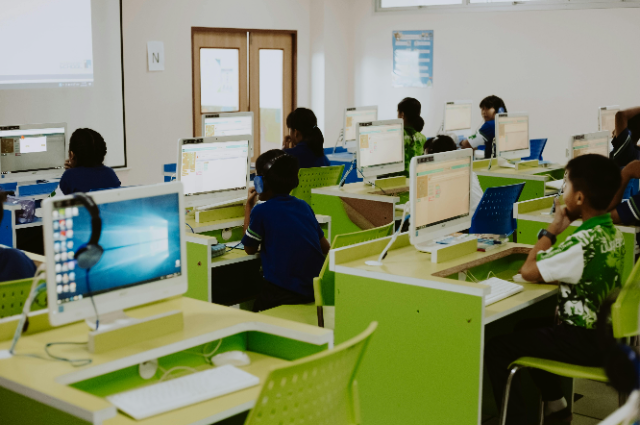
Technology has transformed nearly every aspect of modern life, and education must adapt to this reality. Digital tools, online learning platforms, and interactive technologies can make education more accessible, engaging, and effective.
For example, online courses allow students to learn from experts around the world. Educational apps and digital simulations can help students understand complex concepts through visual and interactive experiences. Virtual classrooms also allow learning to continue even when students cannot attend physical schools.
Technology also helps students develop digital skills that are essential for modern careers. Many professions now require knowledge of computers, data management, and digital communication.
However, integrating technology into education requires careful planning. Teachers must receive proper training so they can use digital tools effectively. Schools must also ensure that all students have equal access to technology so that no one is left behind.
When used wisely, technology can make learning more dynamic, personalised, and connected to the real world.
Encouraging Lifelong Learning:
In the past, education was often seen as something that happened only during childhood and youth. Once people completed school or university, they were expected to work with the knowledge they had gained. Today, this idea is no longer practical.
Because technology and industries are changing rapidly, people must continue learning throughout their lives. New skills must be developed, and old knowledge must be updated regularly. This concept is known as lifelong learning.
Education systems should encourage students to develop a love for learning rather than focusing only on passing exams. When students enjoy learning, they are more likely to continue exploring innovative ideas and skills even after completing formal education.
Governments and institutions should also provide opportunities for adult education, professional training, and online learning programs. These opportunities allow workers to adapt to new industries and remain competitive in the job market.
By promoting lifelong learning, education systems can help individuals remain flexible and resilient in a rapidly changing world.
Focusing on Emotional Intelligence and Human Skills:
While technology is becoming more powerful, human qualities remain extremely important. Skills such as empathy, communication, teamwork, and emotional intelligence cannot easily be replaced by machines.
Education should therefore focus not only on academic knowledge but also on personal development. Students should learn how to manage emotions, communicate effectively, and build healthy relationships with others.
Activities such as debates, group projects, community service, and leadership programs can help students develop these important qualities. When students learn to understand and respect others, they become responsible and compassionate members of society.
Emotional intelligence also helps individuals cope with stress and challenges. In a world that is often competitive and fast-paced, the ability to remain calm, positive, and cooperative is a valuable skill.
By focusing on both intellectual and emotional development, education can prepare students to succeed not only in their careers but also in their personal lives.
Building Flexible and Inclusive Education Systems:
Another crucial step in evolving education is creating systems that are flexible and inclusive. Every student learns differently, and education should recognise these differences.
Flexible learning methods, such as project-based learning, online courses, and blended classrooms, allow students to learn at their own pace. This approach helps students understand concepts more deeply instead of rushing through lessons.
Education should also be inclusive, meaning that all students—regardless of gender, economic background, or physical ability—have equal opportunities to gain experience. Schools must create supportive environments where every student feels valued and respected.
Special attention should be given to students from disadvantaged communities. Scholarships, digital access, and community support programs can help reduce inequality in education.
When education systems become flexible and inclusive, they can reach more students and help them achieve their full potential.
Preparing Students for an Uncertain but Promising Future:
The world is changing rapidly, and education must evolve to keep pace with these changes. Traditional methods that focus only on memorisation are no longer sufficient. Instead, education must prepare students to think critically, adapt to change, and continue learning throughout their lives.
By updating curricula, promoting critical thinking, integrating technology, encouraging lifelong learning, developing emotional intelligence, and creating inclusive learning systems, education can better prepare students for the future.
The goal of education should not simply be to prepare students for jobs, but to prepare them for life. It should help them become curious thinkers, responsible citizens, and compassionate human beings.
If education evolves successfully, it will empower future generations to face challenges with confidence and creativity. In doing so, it will contribute to building a more innovative, inclusive, and sustainable world.
References:
- UNESCO. Education in a Changing World: Global Education Monitoring Reports
- World Economic Forum. The Future of Jobs Report.
- OECD. Education and Skills for the 21st Century.
- Ministry of Education, Government of India. National Education Policy (NEP) 2020.
- World Bank. Education for Global Development Reports.
- International Labour Organisation (ILO). Skills and Learning for the Future of Work.