
A Disaster That Became More Than History
The story of the Chernobyl disaster is not just about an accident—it is about truth, fear, human suffering, and the failure of a powerful system. Even after nearly forty years, people continue to talk about it, write about it, and try to understand it.
Many disasters have happened in the world. For example, the Bhopal gas tragedy caused even more deaths, and nuclear tests in Semipalatinsk affected a larger area for a longer time. Yet, the story of Chernobyl remains deeply alive in people’s minds.
Why is this so? The answer lies not only in what happened, but in how it happened, how people suffered, and how the story has been told again and again through books, memories, and real-life experiences.
This article explains the real story of Chernobyl in a simple and clear way, focusing on human experiences and lessons that still matter today.
The Night of the Explosion: When Everything Changed:
On the night of April 26, 1986, a safety test was being conducted at a nuclear power plant in Ukraine. The test was supposed to improve safety, but instead, it led to one of the worst disasters in history.
At 1:23 a.m., the reactor became unstable. Within seconds, powerful explosions destroyed the core of the reactor. Fire and radioactive materials spread into the air.
At that moment, no one fully understood what had happened. Workers and engineers were confused. Some thought it was just a small accident. But in reality, the heart of the reactor had exploded, releasing dangerous radiation.
This moment changed everything—not only for the people working there, but for thousands of lives across different countries.
The First Responders: Heroes Without Knowing the Danger
Soon after the explosion, firefighters arrived at the scene. They were trained to deal with fires, but they were not prepared for radiation.
They climbed onto the roof, stepping on burning debris without knowing that it was highly radioactive. They tried to control the fire and stop it from spreading to other reactors.
Two lieutenants led teams that successfully stopped the fire from reaching nearby units. Their actions prevented an even bigger disaster.
However, within a few hours, these firefighters started feeling sick. They were vomiting, weak, and confused. Many of them died within weeks due to radiation exposure.
One of the most heartbreaking stories is that of a firefighter whose wife stayed with him in the hospital. She did not know that he was carrying deadly radiation. She stayed beside him until his death, risking her own life.
These stories show that the first responders were true heroes. They acted with courage, even though they did not fully understand the danger.
A System That Failed: The Illusion of Power and Prestige
The disaster at Chernobyl was not just an accident—it was also the result of a failing system. The government of the Soviet Union had focused heavily on showing its power and success to the world.
Nuclear energy was seen as a symbol of progress and strength. Scientists had already warned that the reactor design was unsafe, but these warnings were ignored.
The leadership wanted to maintain what historians call “atomic prestige”—the idea that controlling nuclear power showed superiority. Because of this, safety concerns were pushed aside.
At the time of the disaster, workers at the plant were under pressure to produce high levels of power. They were afraid of punishment if they failed. This created a dangerous situation where rules were ignored.
The disaster exposed the truth: the system was not as strong as it appeared. It was built on pressure, secrecy, and fear.
The Aftermath: A Town Turned Into a Ghost City:
The city of Prypiat, located near the plant, was once a modern and lively place. It was home to thousands of workers and their families.
After the explosion, life continued as normal for almost two days. People were not told about the danger. Children played outside, and families went about their daily routines.
Only after 36 hours did the government evacuate the city. By then, people had already been exposed to radiation.
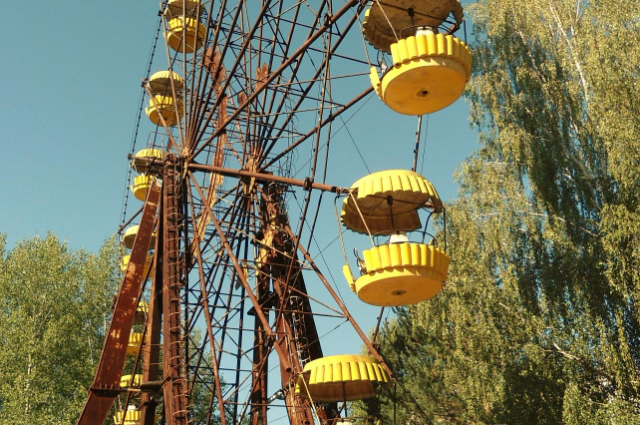
Prypiat quickly became a ghost town. Homes, schools, and streets were left empty. Everything was frozen in time, as if people had just disappeared.
Radiation spread beyond Ukraine. Around 70% of the radioactive material fell in Belarus, affecting thousands of people.
This delay in response showed the failure of communication and responsibility. The government tried to hide the truth, but the damage had already been done.
Voices of Suffering: The Human Cost of the Disaster
To truly understand Chernobyl, we must listen to the voices of those who suffered.
A journalist named Svetlana Alexievich collected stories from survivors. Her work shows the real pain behind the disaster.
People spoke about losing their loved ones, their homes, and their health. Many described how their bodies changed due to radiation. Skin burned, hair fell out, and internal organs failed.
One woman shared how her husband, a firefighter, slowly died in the hospital. His body was destroyed from the inside. Even their unborn child was affected by radiation and did not survive.
These stories are painful but important. They remind us that behind every disaster, there are human lives, emotions, and struggles.
Why Chernobyl Still Lives On: A Story Retold Again and Again
Unlike many other disasters, Chernobyl has become more than history—it has become a story that continues to be retold.
Books, documentaries, and even shows like Chernobyl have brought the story to new generations.
People visit the “Exclusion Zone,” where the disaster happened. It has become a place of dark tourism, where visitors try to understand what went wrong.
Scholars say that Chernobyl is not just an event—it is an experience. It shows the failure of technology, politics, and human decisions.
Even other disasters, like Fukushima, did not create the same lasting image. Chernobyl remains unique because of its mystery, its human stories, and its impact on imagination.
A Real-Life Lesson: Truth Cannot Be Hidden Forever
The story of Chernobyl teaches an important lesson.
Imagine a system where people are afraid to speak the truth. Imagine warnings being ignored because of pride and pressure. This can lead to disaster.
Chernobyl shows that hiding the truth only makes things worse. If the warnings had been taken seriously, the disaster might have been prevented.
It also teaches us about courage. The firefighters, workers, and ordinary people showed bravery in the face of danger.
In real life, this lesson applies everywhere—whether in government, science, or daily life. Truth, honesty, and responsibility are always important.
More Than a Disaster—A Living Story
The Chernobyl disaster is not just a past event—it is a living story that continues to teach us important lessons.
It is a story of human courage, system failure, and the search for truth. It shows how one moment can change thousands of lives.
Even after forty years, people continue to learn from it. Books, research, and personal stories keep the memory alive.
In the end, Chernobyl reminds us that progress without safety is dangerous, power without responsibility is harmful, and truth must never be ignored.
References:
- Historical studies on the Chernobyl disaster
- Chernobyl: History of a Tragedy
- Midnight in Chernobyl
- Voices from Chernobyl
- Reports on nuclear history in the Soviet Union
- Comparative studies with the Bhopal gas tragedy and nuclear testing in Semipalatinsk