
A Region Living Between Beauty and Conflict
Northeast India is one of the most beautiful parts of the country. It is known for its green hills, rivers, forests, and rich cultural diversity. States like Manipur, Nagaland, Assam, Mizoram, and Tripura are home to many tribes, languages, and traditions. Every community has its own history, dress, music, and way of life.
However, behind this natural beauty lies a long history of unrest and violence. For many decades, several states in the region have faced insurgencies, ethnic clashes, and conflicts between armed groups and security forces. Because of this, peace has often been fragile. There have been times when normal life stopped completely due to curfews, protests, and violence.
In such situations, the idea of “home” changes. A home is usually seen as a safe place where families feel protected. But when conflict enters villages and towns, homes can turn into spaces of fear. Gunshots, raids, arrests, and displacement make everyday life uncertain. Children grow up hearing stories of violence. Families live in constant tension.
In these difficult circumstances, women suffer deeply. They are often not holding weapons or fighting in battles, but they experience the pain in silent and powerful ways. Their lives are shaped by loss, fear, responsibility, and courage. This article explores how women in Northeast India have lived through conflict, how they have shown strength, and how they are now writing and sharing their stories with the world.
The Roots of Conflict in Northeast India:
To understand the situation of women, we must first understand the history of conflict in the region. After India became independent in 1947, many communities in the Northeast felt politically and culturally distant from the central government. Some groups demanded greater autonomy, while others demanded complete independence. This led to the rise of insurgent movements.
In states like Nagaland and Manipur, armed groups formed to fight for political rights or a separate identity. In Assam, movements also emerged related to identity, migration, and economic concerns. Over time, conflicts became complex. There were clashes not only between insurgent groups and the Indian Army but also between different ethnic communities.
The Armed Forces Special Powers Act (AFSPA), implemented in several parts of the Northeast, gave special powers to security forces to maintain order. While it was introduced to control violence, many people argued that it led to human rights violations. Reports of disappearances, arrests, and alleged abuse created fear among local communities.
For ordinary people, especially women, this meant living in a constant state of insecurity. Markets would close without warning. Schools would remain shut. Men from families could be arrested or killed in encounters. Women often had to deal with the consequences alone.
Thus, conflict was not only political. It entered homes, relationships, and daily life. And when public violence becomes normal, private suffering increases.
Women as Silent Victims of War:
In most conflict zones around the world, women are among the most affected. The same is true in Northeast India. They face emotional, economic, and physical challenges.
First, there is the pain of loss. Many women have lost husbands, sons, brothers, or fathers in encounters, insurgent attacks, or ethnic violence. When a male member of the family dies or disappears, the woman often becomes the head of the household. She must earn money, care for children, and support elderly parents. This sudden change can be overwhelming.
Second, displacement is common during ethnic clashes. Villages may be burned. Families may move to relief camps. In such camps, women struggle with a lack of privacy, poor sanitation, and limited resources. Life becomes uncertain. Children miss school. Health problems increase.
Third, women face psychological trauma. Living in fear affects mental health. The sound of boots outside the door at night can cause panic. The memory of violence can stay for years. Yet mental health support is often limited in these regions.
There have also been serious allegations of sexual violence during certain periods of unrest. These incidents deeply hurt communities and create long-lasting wounds. Even when justice is demanded, the legal process can be slow and painful.
However, despite all these hardships, women are not only victims. They are also survivors and fighters in their own way.
Women as Leaders, Protesters, and Peace Builders:
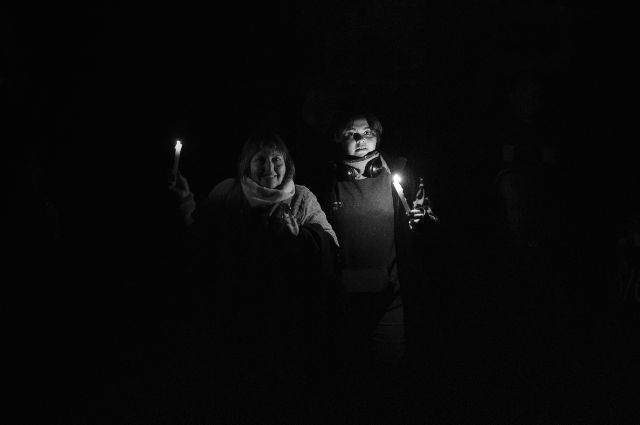
One powerful example of women’s courage in the Northeast is the movement led by the Meira Paibis in Manipur. The Meira Paibis, also known as “women torchbearers,” are groups of local women who patrol streets at night to protect their communities from violence and substance abuse. Over time, they also became active in protesting human rights violations.
In 2004, after the death of Thangjam Manorama, a group of Manipuri women staged a historic protest in front of the Assam Rifles headquarters. Their protest shocked the nation and drew attention to the issue of AFSPA. This event showed that women in the Northeast are not silent sufferers. They are willing to stand up for justice.
Similarly, in Nagaland and Assam, women’s organisations have worked to bring peace between communities. They organise meetings, support displaced families, and encourage dialogue.
Women also play important roles in local markets. The Ima Keithel (Mother’s Market) in Manipur is run entirely by women. Even during times of unrest, such markets remain symbols of resilience and economic strength.
These examples show that women are not only affected by conflict; they actively shape the response to it. They protect culture, demand rights, and build bridges between divided groups.
Writing as Resistance: Women Tell Their Stories:
For many years, the experiences of women in Northeast India were not widely known in the rest of the country. Mainstream media often focused on violence, but not on personal stories. Recently, however, more women from the region have begun to write books, poems, and essays about their lives.
Writers like Temsula Ao from Nagaland and Easterine Kire have explored themes of conflict, identity, and memory in their works. Through literature, they describe how violence affects ordinary families. Their writing is not only about politics but about emotions — fear, love, hope, and loss.
In Manipur, poets and activists have also used writing as a tool to speak about injustice. Literature becomes a way to heal and to resist silence. When women write, they take control of their narratives. They move from being subjects of news reports to being authors of their own stories.
Writing also helps future generations understand history. Instead of learning only about battles and laws, young people can read about human experiences. They can understand how conflict changes childhood, motherhood, and relationships.
Thus, storytelling becomes an act of courage. It challenges stereotypes and demands empathy from readers across India and the world.
The Way Forward: Hope, Justice, and Healing:
Today, parts of Northeast India are more peaceful than before. Peace talks have been held with some insurgent groups. Development projects are increasing. Tourism is growing. Yet deep wounds remain.
For real peace to come, justice and healing are necessary. Governments must ensure accountability for human rights violations. Legal systems should be fair and transparent. Economic development must include women and support their leadership.
Education is also important. Schools and colleges in the region can encourage students to study local history and literature. When young people understand their past, they can build a better future.
Mental health support should be expanded, especially in areas that have faced long-term violence. Counselling services, community programs, and safe spaces for women can help reduce trauma.
Most importantly, the voices of women must be included in decision-making. Peace processes should not only involve armed groups and politicians. Women, who have experienced the strongest effects of conflict, must have seats at the table.
Northeast India is a land of rich culture and strong communities. Yet decades of unrest have turned many homes into spaces of fear and uncertainty. In this environment, women have suffered deeply through loss, displacement, and trauma.
But their story does not end with suffering. Women in states like Manipur, Nagaland, and Assam have shown courage, leadership, and creativity. They have protested injustice, protected their communities, and written powerful stories about their lives.
When homes turn into battlefields, it is often women who quietly rebuild them. Through resilience and storytelling, they transform pain into strength. Their voices remind us that true peace is not only the absence of guns but the presence of dignity, justice, and hope.
References:
- Ao, Temsula. These Hills Called Home: Stories from a War Zone.
- Kire, Easterine. When the River Sleeps.
- Government of India reports on the Armed Forces Special Powers Act (AFSPA).
- Human rights documentation by Amnesty International on Northeast India.
- Academic research articles on insurgency and gender in Northeast India have been published in journals such as Economic and Political Weekly.