
The Deep Meaning Behind a Simple Saying
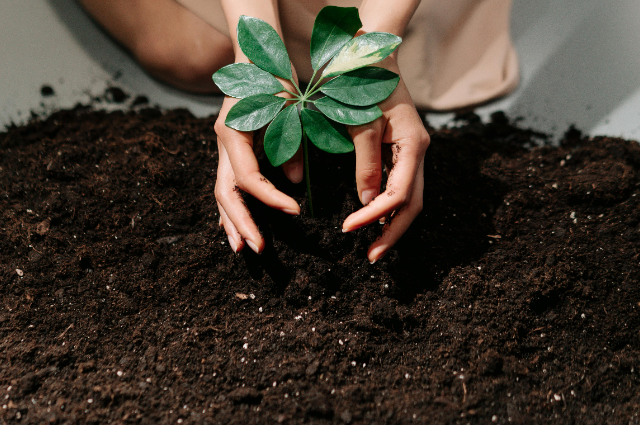
“You reap what you sow” is a short sentence, but its meaning is very deep. It comes from farming. A farmer sows seeds in the soil, takes care of them, and later reaps the crop. If he sows good seeds, he gets a good harvest. If he sows bad seeds or does not care for them, the result is poor.
This simple rule of farming also applies to human life. Our actions are like seeds. Our words, thoughts, habits, and decisions are all seeds that we plant every day. Time and life act like the soil. Eventually, we must face the results of what we have done.
This saying teaches us responsibility. It tells us that life is not controlled only by luck, fate, or chance. Our present actions shape our future. If we want peace, success, and respect, we must act in the right way today.
In today’s fast world, many people want success without effort, respect without good behaviour, and happiness without discipline. They forget this simple truth. This article explains the meaning of “you reap what you sow” in detail and shows how it applies to education, character, relationships, society, and life.
The Universal Law of Cause and Effect:
“You reap what you sow” is based on the law of cause and effect. This law says that every action has a result. Nothing happens without a cause. Just like fire causes heat and water causes wetness, human actions also create results.
Nature follows this law. If we plant a mango seed, we get a mango tree, not an apple tree. If we neglect the plant, it dies. Nature never gives unfair results. It only gives what we deserve.
Human life also follows this law, though sometimes the results are delayed. A lie may not be caught immediately, but it weakens trust. Challenging work may not give success overnight, but it slowly builds strength and skill. Good behaviour may not be rewarded instantly, but it earns respect over time.
Many people feel confused because they do not see immediate results. They think bad actions are safe and good actions are useless. This is a mistake. Life works slowly but surely. Just like seeds need time to grow, actions need time to show their effects.
Understanding this law makes people careful about their choices. It teaches patience and long-term thinking.
Education, Discipline, and Hard Work:
Education is one of the clearest examples of “you reap what you sow.” A student’s future depends on how he studies today. If a student studies regularly, listens in class, and practices sincerely, knowledge grows step by step.
Some students avoid challenging work. They waste time and expect good marks through luck or shortcuts. When exams come, they feel fear and stress. Failure then feels painful, but it is not sudden. It is the result of earlier actions.
Challenging work builds not only success but also character. It teaches discipline, patience, and confidence. A hardworking person trusts himself because he knows he has prepared well.
The same rule applies to careers. People who improve skills, learn from mistakes, and work honestly grow slowly but strongly. Those who avoid effort may enjoy comfort for some time, but later face difficulties.
In life, there are no real shortcuts. Every success has a history of effort behind it. Education reminds us again that effort decides outcome.
Character and Moral Values: Inner Seeds of Life:
Actions are not only about work and study. They are also about character. Honesty, kindness, patience, and respect are seeds that grow inside a person.
A person who speaks the truth may face difficulty sometimes, but he sleeps peacefully. His mind is calm because he has nothing to hide. Over time, people trust him.
A dishonest person may gain short-term benefits, but their life becomes full of fear. He must remember lies, protect secrets, and avoid people. Peace slowly disappears.
Kindness is another powerful seed. A kind person helps others without selfishness. Such a person receives love, blessings, and emotional support. Even in tough times, he is not alone.
Cruelty and arrogance, on the other hand, create enemies. Even if such people become powerful, they remain lonely. Respect cannot be forced; it must be earned.
Moral values may not give money immediately, but they give peace, dignity, and long-term happiness. These rewards are deeper than material success.
Relationships: Emotional Harvest of Our Behaviour:
Human relationships clearly show that we reap what we sow. Relationships are built on behaviour. If we sow love, we reap love. If we sow anger, we reap conflict.
Parents who give time, care, and guidance to their children raise confident and respectful adults. Children who grow up with love usually return care and respect to parents.
Friendship also follows this rule. A loyal friend receives loyalty. A selfish friend loses trust. Relationships need effort, patience, and understanding.
In modern life, many relationships break because people want benefits without responsibility. They want attention but do not give respect. They want love but do not give time.
Words also matter in relationships. Kind words heal, while harsh words hurt deeply. Once spoken, words cannot be taken back. They are seeds that leave long-lasting effects.
Strong relationships bring happiness and emotional support. Broken relationships bring loneliness and regret. Life again teaches the same lesson.
Society, Justice, and Collective Responsibility:
The rule “you reap what you sow” does not apply only to individuals. It also applies to society.
If people follow laws, respect others, and work honestly, society becomes safe and peaceful. If corruption, violence, and dishonesty increase, society suffers.
History shows that unjust societies collapse eventually. Injustice creates anger, rebellion, and pain. Justice creates stability and trust.
Environmental problems are another example. Humans have polluted air, water, and land for years. Now the world faces climate change, diseases, and natural disasters. These are the results of careless actions.
If society sows responsibility and care, it will reap safety and progress. If it sows greed and carelessness, it will reap destruction.
This shows that our actions affect not only our lives but also the lives of others.
Learning Responsibility and Hope for the Future:
Understanding “you reap what you sow” gives people responsibility, but it also gives hope. It teaches that the future is not fixed. It can be changed by changing actions.
Even if someone made mistakes in the past, they could plant better seeds today. One good decision can slowly change life.
This saying also teaches patience. Results may not come quickly, but they always come. Good actions never go to waste.
In modern life, where people want fast success, this lesson is especially important. It reminds us to focus on effort, not excuses.
When people understand this truth, they become careful, honest, and disciplined. Life becomes meaningful, not confusing.
A Timeless Truth That Never Changes:
“You reap what you sow” is a timeless truth. It applies to education, character, relationships, society, and the future of humanity. Life may look unfair in the short term, but overall, it is just.
Good actions create good lives. Bad actions destroy peace. Every choice is a seed, and every seed has a future.
In a world full of shortcuts and false promises, this simple saying guides us toward responsibility and wisdom. If we want a better tomorrow, we must act better today.
Life always returns what we give to it—no more and no less.
. . .
References:
- Holy Bible – Galatians 6:7
- Bhagavad Gita – Theory of Karma
- Encyclopaedia Britannica – Cause and Effect
- Stephen R. Covey – The 7 Habits of Highly Effective People
- World Book Encyclopaedia – Moral Philosophy
- Teachings of Mahatma Gandhi on Action and Consequence