
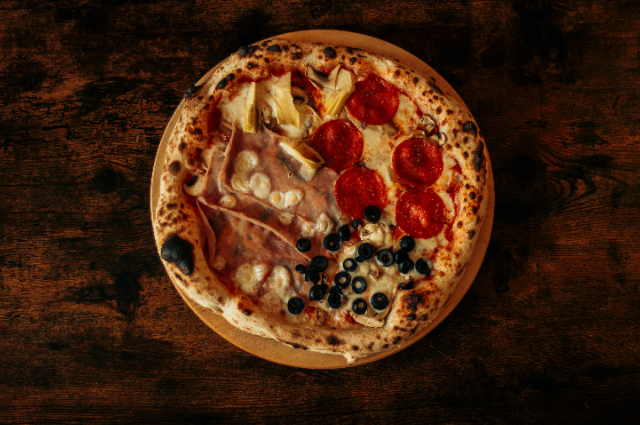
Hell Pizza doesn’t sell food. It sells discomfort—and somehow, that discomfort smells like garlic, cheese, and rebellion.
In a world where fast-food brands obsess over being friendly, clean, and universally lovable, Hell Pizza chose the opposite path. This New Zealand-based pizza chain carved its identity out of outrage, dark humor, and deliberate controversy. Instead of competing with giants like Domino’s or Pizza Hut through discounts or expansion, Hell Pizza built an anti-corporate strategy rooted in provocation. And it worked.
At the core of Hell Pizza’s brand is consistency. Death, horror, the afterlife—nothing is accidental. Their menu is inspired by the Seven Deadly Sins, turning guilt into a selling point. Lust overflows with meat, Greed dares customers to double everything, and Gluttony exists purely as excess. Even the packaging is black, sarcastic, and nihilistic. Hell Pizza never pretended to be wholesome, and that honesty created trust with its audience.
In 2014, the brand cemented its reputation with the infamous Rabbit Skin Billboard. To promote a Wild Rabbit Pizza, Hell Pizza erected a billboard covered in real rabbit skins with the slogan: “Made from real rabbit. Like this billboard.” The backlash was immediate. Parents complained, animal rights groups protested, and social media erupted. Hell Pizza defended the stunt by explaining that rabbits are an invasive pest in New Zealand and that the skins were ethical by-products. Regardless of the outrage, the pizza sold out in three weeks, delivering the company its best sales week in 18 years.
Another iconic campaign was Pizza Roulette. Customers ordering “roulette” would receive a pizza where one random slice contained two drops of chilli extract rated around 2 million Scoville Heat Units—equivalent to pepper spray. One person would suffer intense heat and regret, while the rest watched. This transformed eating into an experience, a story people shared. Pain became entertainment, and entertainment became marketing.
In 2023, Hell Pizza launched AfterLife Pay, a satirical protest against Buy Now, Pay Later culture. Selected customers were allowed to eat pizza immediately and pay only after death by signing a legal amendment to their will. Limited to 666 participants in New Zealand and Australia, the stunt mocked debt culture by pushing it to an absurd extreme.
Not every stunt was clean. In 2019, Hell Pizza sold a Burger Pizza without disclosing that the “medium-rare patties” were plant-based Beyond Meat. While many laughed at the prank, regulators investigated due to undisclosed allergens. The incident revealed the thin line between shock marketing and legal risk.
Hell Pizza also crossed cultural and religious boundaries. Campaigns featuring Adolf Hitler, inverted pentagrams on Easter buns, and condoms mailed to random households generated massive backlash and formal complaints. Some ads were pulled, others condemned. Yet even these failures strengthened Hell Pizza’s reputation as a brand willing to risk everything to stay unforgettable.
Their delivery fleet became a theatre on wheels. Vintage hearses converted into pizza ovens, drivers dressed as grim reapers, scooters with devil horns, and even an armoured military vehicle used to intimidate competitors. Ordering from Hell Pizza wasn’t just consumption—it was participation.
The real lesson behind Hell Pizza’s success is simple: people don’t hate being offended; they hate being bored. Hell Pizza chose personality over politeness and conviction over consensus. By knowing exactly who they were not for, they built a fiercely loyal audience.
Hell Pizza didn’t fight giants with money. They fought with nerve. With discomfort. With controversy. And in marketing, being remembered is everything.
References
- The Washington Post / The Property Journal (2023) – AfterLife Pay
- Time Magazine (2014) – Rabbit Skin Billboard
- The Daily Meal (2012) – Pizza Roulette
- NZ Herald (2019) – Burger Pizza Investigation
- Scoop News / ASA History (2006) – Condom Campaign
- Der Spiegel (2007–2008) – Dictator Ads
- StopPress NZ (2011) – Satanic Hot Cross Buns
- Ads of the World / YouTube (2010) – Deliver Me to Hell