
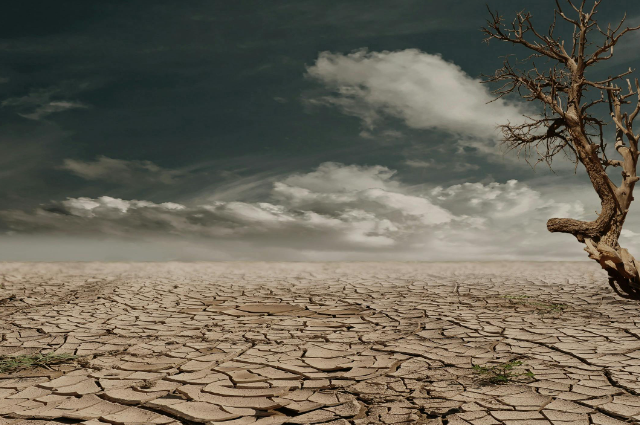
India loves to call the farmer “Annadata” — the giver of food, the backbone, the one who feeds the nation. But behind the slogans and speeches, there’s a quieter, darker reality breathing through the cracks of our villages. It’s the reality where fields look green, but lives feel barren, where hope grows brittle, and where too many farmers decide that leaving this world feels easier than staying.
Recent data from the National Crime Records Bureau paints a haunting picture. Around ten to eleven thousand people from the agricultural sector die by suicide every year. That’s roughly one life gone every single hour. These aren’t numbers. These are stories that never got the chance to finish their sentences.
The tragedy isn’t spread evenly. It settles like dust over particular regions. Maharashtra continues to bear the heaviest burden, especially the Vidarbha and Marathwada regions, which have become almost synonymous with despair. Karnataka follows closely, with drought-struck districts struggling year after year. Andhra Pradesh and Telangana fight their own battles, especially in cotton-growing belts where global markets, pests, and bad credit collide like a storm.
One of the most heartbreaking shifts is happening quietly: agricultural labourers — people who don’t even own the land they work on — now account for a growing share of suicides. Imagine giving your sweat to somebody else’s soil and still drowning in debt. It’s brutal.
People keep asking, “Why is this happening?” as if there’s a single villain. There isn’t. It’s never one reason. It’s always a chain, a slow collapse. It starts with loans — the kind that feel harmless at first. Banks are often hard to access, full of paperwork, collateral demands, and long waits. So farmers go to private moneylenders. High interest. No mercy. When the crop fails, the interest doesn’t just grow — it chokes.
In Mandya, Karnataka, a farmer named Ramalinga planted bananas with borrowed money. Disease hit the crop. Returns fell. Calls from lenders became constant. Shame walked into the house like an unwanted guest. One day, the weight felt heavier than his own body. His death wasn’t sudden. It was layered, slow, and painful — like so many others.
And then there’s climate change. Not the fancy conference version — the ground reality version. The kind that shows up as rain that comes too late, or too early, or doesn’t stop. The kind that brings unexpected heat waves and stubborn pests. In the Marathwada region, farmers talk about clouds like heartbreak. They arrive promising rain, hover dramatically, and leave without giving anything. Year after year of failure breaks not just crops, but spirits.
Economics plays a villain, too. Seeds cost more. Fertiliser costs more. Diesel costs more. Labour costs more. But the price farmers get for their produce — that often feels stuck in time. Even when the Minimum Support Price is announced, many farmers don’t actually receive it because procurement is messy, markets are unpredictable, and middlemen swallow the profit. Cotton farmers know this pain almost intimately. One season of market crash, and everything collapses.
Then add society. Add expectations. Add the pressure to pay for weddings, education, and medical emergencies. Add the humiliation of borrowing again. Add the silence around mental health, where asking for help is mistaken for weakness. In Khargone, Madhya Pradesh, a farmer named Madana Kumarwat ended his life after repeated crop losses and the pressure of arranging his daughter’s wedding. His village protested because they knew this wasn’t “one man’s tragedy.” It was all of theirs.
The government has tried to respond. Direct income support through schemes like PM-KISAN, crop insurance under PM Fasal Bima Yojana, loan waivers, and increases in Minimum Support Prices — these are attempts to keep farmers afloat. Some relief arrives. Some families breathe easier for a while. But many activists and researchers argue these are temporary fixes. Insurance claims get delayed. Loan waivers don’t reach everyone. MSP doesn’t always function on the ground. It’s like trying to tape a leaking dam with paper.
And then there are the stories that never leave you. In Baglan taluka, Maharashtra, a young man named Jagdish Bhaskar Devre, only thirty-two, took his life after repeated onion and maize losses and rising debt. He left behind parents, a wife, and two children. A house full of silence. A story cut mid-sentence. And another village whispering, “What if I’m next?”
So what do we actually need? We need farming that can survive climate shocks. We need irrigation that doesn’t depend on prayers. We need mental-health support in rural areas where nobody feels judged for asking for help. We need transparent insurance that actually pays when disaster strikes. We need fair credit that replaces predatory moneylenders. We need market systems that don’t treat farmers like disposable characters in an economic game.
Above everything, we need to stop romanticising the farmer while ignoring their reality. We clap for food. We post poetic captions about soil. But the people who grow that food are carrying storm clouds in their chest.
Farmer suicides aren’t “a farmer issue.” They are a mirror. They show us what happens when policy, climate, economics, and silence all fail at the same time. They show us how easy it is to celebrate harvests while ignoring heartbreak.
The fields of India carry more than crops. They carry generational dreams, family histories, and futures that deserve better than despair. Saving the farmer is not charity. It is survival — of dignity, of culture, of everything we pretend to value.
And maybe, just maybe, the starting point is this: listening, really listening, before another life fades quietly into the soil.
Sources consulted: National Crime Records Bureau’s “Accidental Deaths & Suicides in India” reports; parliamentary responses from Lok Sabha and Rajya Sabha on agrarian distress; reporting from The Hindu, Times of India, Maharashtra Times, and Down To Earth; and academic analyses from Library Progress International and ResearchGate on farmer suicide trends and causes.