
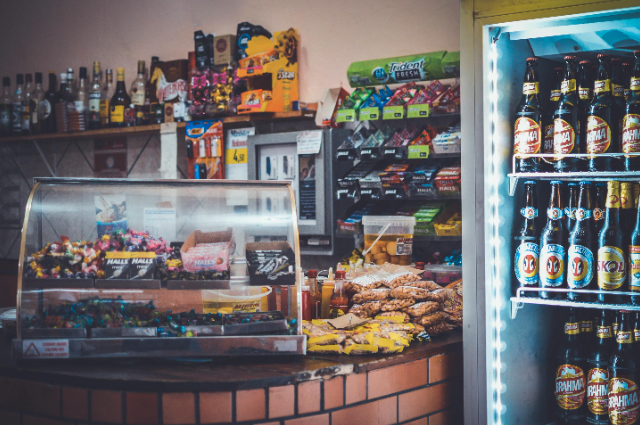
If you’ve been around Indian teens lately, you’ve probably noticed this strange contradiction: they’re constantly “on” but also constantly exhausted. The kind of tired that isn’t fixed by sleep. The kind of restlessness that sits in the chest like a dull ache. One minute they’re laughing at a meme like life is a sitcom, the next, they’re staring into space as somebody unplugged them mid-scene. And honestly? We keep blaming it on “phone addiction” like it’s the only villain in the story. But there’s another character quietly messing with their minds every single day—sugar. Not the cute, occasional treat sugar. I’m talking about the everyday, normalised, hidden sugar that lives inside our “quick snacks,” “energy drinks,” “healthy” cereals, chocolate spreads, bakery items, packaged juices, flavoured milk, and that one harmless-looking “just one biscuit” moment that turns into six.
This isn’t an anti-dessert rant. This is about how the teenage brain—already doing the most dramatic transformation arc of its life—gets thrown into chaos by constant sugar spikes and crashes. And India? India is giving sugar easy access like a toxic ex who still has your Netflix password.
I saw this up close during a college fest last year. My cousin’s friend, a 16-year-old boy, had been rehearsing for a dance performance. He was talented, confident, the type who could hype up the entire group. But on the day of the performance, his face was pale and sweaty, and he kept snapping at people over nothing. His hands were literally shaking. Everyone thought it was stage fright. He said he hadn’t eaten “proper food” since morning—only a large packaged fruit juice, two cream biscuits, and an energy drink because “it keeps me active.” Ten minutes later, he sat on the ground behind the stage, head between his knees, as his body had betrayed him. That’s the part we don’t talk about enough. Sugar doesn’t just affect weight. It affects stability—mood, concentration, patience, and anxiety levels. The emotional functioning of a teen isn’t a soft aesthetic thing. It’s chemistry. It’s hormones. It’s brain wiring. And sugar keeps pressing random buttons like it’s trying to hack the system.
Teenagers already live on a mental health tightrope. Academic pressure is no joke, especially in India, where marks can feel like a family’s entire reputation. Social comparison is constant. The fear of being “not enough” is basically built into their daily routine. Now imagine adding repeated blood sugar spikes into that emotional storm. When someone consumes a high-sugar snack or drink, blood glucose rises quickly. The body responds by releasing insulin to bring it down. But that drop can feel like a crash—fatigue, irritability, brain fog, even sadness. It’s not “overreacting.” It’s a physiological response. The teen doesn’t understand what’s happening inside them, so they label it as “I’m lazy,” “I’m failing,” “I’m depressed,” or worse—“Something is wrong with me.” And then, because the brain loves quick fixes, they reach for more sugar. It becomes a loop. A sweet one, but a brutal one.
A real-life incident that hit me personally was with a girl in my neighbourhood—17, quiet but sharp, the kind who would top exams without announcing it. During board season, she developed a habit of studying with snacks. Not normal snacks. It was basically a sugar survival kit: chocolate rolls, packaged cupcakes, cola, and “light” chips to balance the guilt. She said she needed it because studying made her anxious, and sugar “comforted” her. A month later, she wasn’t just anxious—she was emotionally volatile. Crying at night, panicking over small mistakes, feeling constantly overwhelmed. Her parents thought it was “overthinking.” But when her routine got corrected—proper meals, less sugar, more protein and water—her anxiety reduced noticeably. Not magically cured, but calmer. More stable. Like her brain finally got a chair to sit on instead of running a marathon nonstop.
And before anyone tries to dismiss this with “teenagers have always eaten sweets,” please. The sugar game today is not the sugar game of ten years ago. Earlier, sugar came in obvious forms—laddu, jalebi, and chocolates occasionally. Now sugar is disguised. It wears a “health drink” costume and walks into your house like it’s doing you a favour. Many packaged foods marketed to kids and teens contain added sugars, even when they don’t taste extremely sweet. Breakfast cereals, granola bars, flavoured yoghurts, sauces, ketchup, packaged smoothies—it’s everywhere. This is not just a food problem; it’s a culture problem. Because we reward kids with sweets, soothe stress with sweets, celebrate everything with sweets, and then act shocked when their bodies and minds start malfunctioning.
The mental health connection is not a random theory either. There’s growing evidence that diets high in ultra-processed foods and added sugars are associated with higher risks of depression and anxiety symptoms. Multiple studies suggest that excessive sugar intake may contribute to inflammation, oxidative stress, and changes in brain function that influence mood and cognition. The teenage brain is especially sensitive because it’s still developing. The prefrontal cortex—responsible for decision-making, impulse control, and emotional regulation—is not fully mature yet. So when a teen consumes high amounts of sugar, it doesn’t just “give energy,” it can intensify impulsivity, worsen mood swings, and mess with sleep patterns. Sleep matters because sleep is basically the brain’s therapy session. And sugar, especially late in the evening through chocolates, cold drinks, and bakery snacks, can disrupt sleep quality. Now you have a teen who is sleep-deprived, emotionally fragile, and chemically unstable, and we wonder why they’re struggling.
One case study-style pattern that keeps repeating in Indian schools is the “canteen lifestyle.” I’m not naming a specific school, but I’ve seen this in multiple places. Students skip breakfast because mornings are rushed, then survive on a sugary drink and a snack from the canteen—pastries, cream buns, soft drinks, packaged juices, noodles. Lunch is either skipped or eaten half-heartedly. By afternoon, they’re exhausted, irritable, and unable to focus. Teachers label them “careless.” Parents assume they’re “not serious.” But what’s happening is that their brains are running on unstable fuel. It’s like trying to charge an iPhone with a broken cable and then yelling at it for dying fast.
Another detail people ignore is how sugar affects self-esteem and emotional coping. Teens are in a stage where body image can decide their mood for the entire week. A high-sugar diet often leads to acne flare-ups, weight fluctuations, digestive problems, and fatigue. Then they spiral into self-hate. They feel ugly, heavy, sluggish. They isolate themselves. They avoid photos. They stop participating. And because they feel low, they crave comfort. What’s the easiest comfort? Sugar. That’s the heartbreak cycle right there—feeling bad, eating sugar, feeling worse, eating more sugar. It’s not just physical. It’s emotional dependency in a cute wrapper.
And the worst part? It’s socially encouraged. In India, a teen refusing sweets is treated like a personal insult. “Just eat na.” “One bite won’t kill you.” “Don’t be so dramatic.” But this isn’t about one bite. It’s about the overall diet being dominated by sugar, especially when combined with low protein, low fibre, and low micronutrients. When meals lack balance, sugar hits harder. When protein is missing, cravings become louder. When hydration is low, the body confuses thirst with hunger. When stress is high, cravings become emotional. It’s a whole messy ecosystem.
Also, sugar and stress are besties. Cortisol, the stress hormone, can increase cravings for high-energy foods. Teens under exam pressure, social pressure, family pressure, relationship drama, identity confusion—they’re basically walking stress clouds. So they naturally crave the easiest dopamine hit available. And sugar delivers dopamine like a fast, unreliable lover: intense at first, disappointing later, leaving you craving again. That’s why some teens feel like they can’t stop. It’s not just a lack of discipline. It’s neurochemistry plus environment plus marketing.
So what do we do without becoming those annoying “eat healthy” robots? We start by treating food like mental health support, not just body fuel. A teen doesn’t need a perfect diet. They need a stable one. They need breakfast that isn’t just tea and biscuits. Something with protein—eggs, milk, curd, sprouts, peanuts, paneer, even dal leftovers. They need meals that include fibre—fruits, vegetables, whole grains—because fibre slows sugar absorption and prevents spikes. They need water. They need sleep. They need snacks that don’t hijack their mood—nuts, fruit, chana, homemade sandwiches, idlis, and dhoklas. And yes, they can still have sweets. But sweets should be a celebration, not a coping mechanism.
Parents also need to understand that mental health isn’t only therapy sessions and motivational speeches. It’s also a daily habit. When a teen is constantly irritable, anxious, foggy, sad, or hyper-restless, it’s not always “attitude.” Sometimes it’s biology. Teachers can help by not shaming students for tiredness and by encouraging proper meal breaks. Schools can help by improving what’s sold in canteens. And teens—honestly—need to realise their brain deserves better fuel than constant sugar chaos. You’re not weak if cravings control you. You’re just human in a system designed to hook you.
Because the truth is, Indian teens are already fighting invisible wars—academic expectations, social media pressure, family comparisons, identity struggles. They don’t need sugar to turn their emotions into static. They need clarity. They need balance. They need colour.
And maybe that’s why the title feels real: Gray Scale.
Because when sugar becomes the main source of “energy,” life starts looking like a blurred filter—too bright for a second, too dull the next. A constant flicker between highs and crashes. But teens deserve better than that. They deserve a mind that feels steady. A heart that doesn’t panic for no reason. A body that doesn’t feel like an enemy.
Not because life will be perfect.
But at least their brain won’t be fighting sugar while trying to survive everything else.
References
- World Health Organisation (WHO). Guideline: Sugars intake for adults and children.
- American Heart Association (AHA). Added Sugars and Cardiovascular Disease Risk in Children.
- Harvard T.H. Chan School of Public Health. Added Sugar in the Diet.
- Jacka, F.N., et al. Dietary patterns and depression/anxiety links (research on diet quality and mental health).
- Ludwig, D.S. The glycemic index and mechanisms of blood sugar spikes/crashes and energy/mood regulation.