

Childhood is widely referred to as the “foundation years” – not only for physical development but for shaping emotional, cognitive and personality. Major psychologists like Sigmund Freud, Erik Erikson, John Bowlby and Jean Piaget also emphasised that childhood is the foundational period that shapes adult personality, emotional responses, and relational patterns. Psychological research also consistently shows that traumatic experiences in early life can strongly influence how a person thinks, acts, behaves, forms relationships and reacts to stress in adulthood. Any traumatic experience, whether it’s constant fights between parents, divorce, child abuse or any other distressing events, can alter a child’s developing brain and shape the person they eventually become. As they get older, some kids develop a severe fear of loud voices or shouting, withdrawal, anger or increased anxiety, while others become jumpy or flinch whenever a hand is raised because they automatically anticipate being hit. Trauma can influence behaviour in countless ways, each of which leaves a lasting imprint on the individual’s emotional and personality development.
The science behind trauma and personality development
Personality starts forming during early childhood, when neural pathways are still developing. This development may be affected by traumatic events like emotional neglect, abuse, domestic violence, inconsistent parenting, or loss of any loved ones.
Why does Trauma affect personality?
The brain’s stress-response system gets triggered by trauma, which involves:
The amygdala, which controls fear and emotions.
The Hippocampus, which stores memories.
Prefrontal cortex, which handles reasoning and decision-making.
The brain remains in survival mode due to repeated trauma, altering emotional regulation and attachment patterns. According to The Harvard Centre on the developing child, persistent early trauma leads to long-term changes in memory formation, emotional regulation and trust-building.
Trauma and the Development of Attachment Styles
Attachment is the emotional connection between a child and a parent or caregiver. Foundational attachment research by John Bowlby and later Mary Ainsworth concluded that early relationships create an internal “working model” that shapes how an individual understands love, trust, and safety. When trauma interferes with caregiving, the attachment system becomes dysregulated, whether through violence, fear, neglect or inconsistency. This often leads to insecure attachment styles, each of which is linked with specific adult personality traits.
According to Bowlby (1969), children experiencing fear with no access to a reliable caregiver suffer from long-term problems controlling their emotions.
Ainsworth’s Strange Situation Study (1978) demonstrated that children who experience inconsistent or negligent caregiving develop anxious or avoidant attachment.
According to recent neuropsychological studies like Schore (2001), trauma experienced during the attachment phase impacts the growth of the right-brain, which is in charge of processing emotions and forming relationships.
Common Outcomes:
Avoidant Personality Traits
These individuals may appear emotionally distant, overly independent, or uncomfortable with closeness. A child who faced constant criticism learns showing emotions leads to pain, and as an adult, he/she avoids vulnerability and prefer bottling their emotions which often leads to emotional outbursts, panic attacks or overwhelmingness.
Anxious Personality Traits
Clingliness, overanalyzing, and intense fear of abandonment are warning signs. Ainsworth discovered that children who received insufficient care grow up to have an anxious-preoccupied relationship style, which later shows up in adult relationships as dependency and hypersensitivity. Someone raised with unstable affection or conditioned affection is always worried about being abandoned, not enough or unloved as an adult.
Disorganized Personality Traits
When the caregiver or parents are both a source of comfort and fear, often result of abuse or severe inconsistency – these personality traits appear. Disorganized attachment style is also typically described as a hot & cold dynamic. According to Main & Solomon (1990), disorganized attachment often leads to difficulty in trusting others, emotional confusion and unpredictable behaviour in adulthood. An adult who despite their desire for intimacy repeatedly pushes their partners away, often ruining serious relationships because they fear it will end in betrayal. This happens as a result of the person's upbringing by their caregiver or parents who were both a source of safety and fear, this creates an internal conflict between the need for connection while simultaneously being terrified of it.
Emotional Sensitivity and Hypervigilance
Children raised in chaotic or threatening homes often learn to observe those around them for any danger. This hypervigilance later develops into a personality pattern in adulthood, where even everyday stressors feel overwhelming. Many adults find it difficult to unwind, overthink situations or misinterpret non-threatening behavior. A person who was raised hearing constant yelling, for example, can experience anxiousness even if someone just raises their voice during a normal conversation. Throughout life, emotional responses are shaped by the nervous system’s conditioning to anticipate harm.
Impact on Self-Concept and Identity
Trauma often teaches children harmful core beliefs like “I’m not good enough” or "Everything is my fault.” These beliefs stay deeply rooted and impact adult self-esteem. Some people also develop perfectionistic tendencies to overcompensate for internalised shame, while others completely avoid risks because they are terrified of failing. For example, a child who is constantly called “useless” may grow up to be an overachiever yet continue to feel unworthy in private; this pattern is commonly known as trauma-driven perfectionism.
Maladaptive Coping Patterns
Children naturally develop coping mechanisms to help them survive when emotional pain becomes unbearable, but these behaviors may become maladaptive in adulthood. Survival reactions include people-pleasing, avoidance of intimacy, bottling up their emotions and overworking. A child who learned that expressing their feelings would result in punishment, mockery or called weak may grow up to be a detached or emotionless adult. These behaviors are defense mechanisms developed during vulnerable development years rather than personality defects.
Resilience and Healing
Most importantly, trauma doesn’t permanently define a person. Many factors, such as self-awareness, safe environment, therapy, secure relationships later in life, and emotional validation. Some trauma survivors grow into deeply empathetic and resilient adults because they know and understand the pain and choose to create safety for others. In order to heal and create more positive emotional reactions, it’s essential to understand how trauma affects personality.
Real Case Studies Demonstrating Trauma’s Impact on Personality Development
The Case of “Genie”- Extreme Neglect and Emotional Deprivation
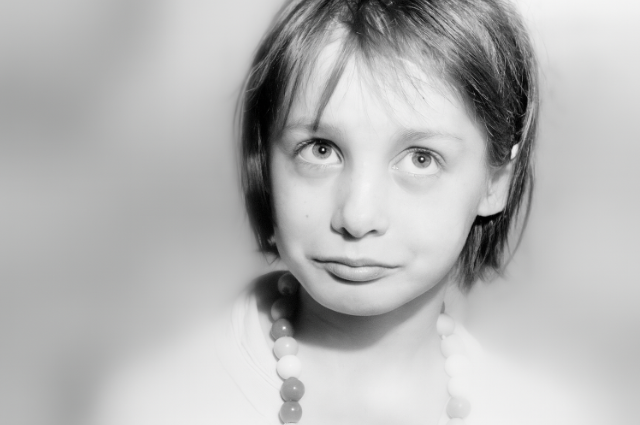
“Genie, (born 1957)” an american feral child who endured extreme deprivation and isolation for over a decade, is one of the most significant cases in developmental psychology. After being rescued, she showed extreme emotional and cognitive problems because she was denied language, affection, and social interaction. Genie developed unstable attachments, clinging quickly to strangers yet finding it difficult to trust reliable caregivers. Her emotional regulation remained disorganized, and she reacted to ordinary situations with extreme fear. This case continues to be a striking demonstration of how early trauma alters brain development and leaves long-lasting impacts on relational patterns, personality, and emotional functioning. https://en.wikipedia.org/wiki/Genie_(feral_child)
ACEs Case - Growing Up in a Violent Household
The Adverse Childhood Experiences (ACEs) research includes numerous documented cases that highlight the long-term consequences of living in violent or chaotic environments. One case that is often mentioned describes the story of a boy raised in a home where his father always yelled, threw stuff, and got into arguments with his mother. He avoided drawing attention to himself as a child and froze at loud noises. Later, in adulthood in order to avoid arguments he became emotionally distant, conflict-avoidant and extremely flexible in relationships. His personality reflected how early exposure to violence shapes emotional responses and relational tendencies, as proven by his constant hypervigilance and intense fear of confrontation.
References: