
Screens aren’t just part of life anymore; they’re everywhere. In our bags, on our wrists, glowing beside us at night. And while older generations are still adjusting to this digital flood, something interesting is happening with Gen Z, the first group to grow up fully online: many of them are quietly walking the other way.
Not in a dramatic “delete everything and move to the woods” kind of way. More like a subtle, steady shift back toward things you can touch, like journals, paint, dough, and film. For them, analogue isn’t nostalgia. It’s a relief.
What Digital Fatigue Really Feels Like for Gen Z
“Digital fatigue” describes the worn-out, uneasy feeling that creeps in when you’ve been plugged in too long. For Gen Z, that’s not an occasional annoyance; it’s daily life.
Recent findings paint a clear picture:
81% of Gen Z wish that disconnecting from devices were easier. About 46% say they actively limit screen time, and 17% do it most days. Another study shows nearly half feel overwhelmed, and 44% have cut back on screen use in just the past six months. This isn’t passive burnout. It’s a deliberate pushback.
Why Analogue Hobbies Feel So Good Right Now
So why is a generation raised on smartphones suddenly picking up paintbrushes and film cameras? A few reasons keep surfacing.
1. Touch makes life feel real again
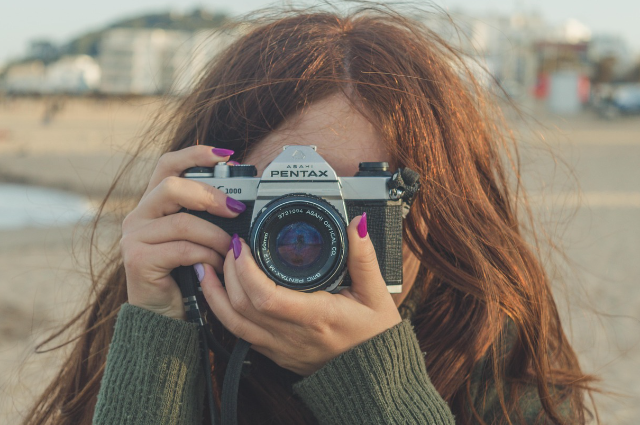
Something is grounding about holding a pen, flipping pages, or clicking a camera shutter. These actions feel deliberate, physical, and calming in a way scrolling never does.
2. Analogue forces you to slow down
You can’t rush sourdough. You can’t speed up film development. Even listening to vinyl slows the pace. That shift toward slower, intentional moments is helping many young people manage stress and anxiety.
3. Memories feel more meaningful
In interviews with young Polaroid users, many said the process of getting only a few shots and waiting for them to appear makes each photo feel like a moment worth keeping.
4. It’s a gentle rebellion against digital overload
Choosing analogue isn’t about hating technology. It’s about taking back control from algorithms, metrics, and endless notifications.
5. There’s a real cultural revival happening
Vinyl records, CDs, zines, and local bookstores aren’t just “retro” anymore. Gen Z is buying them. Brands are noticing too: in-person and hands-on experiences are suddenly in high demand.
The Psychology Behind the Shift
This analogue turn isn’t random. It’s rooted in how the brain works. We’re wired for sensory experiences. Texture, weight, sound, these things help us feel present.
Delayed gratification is emotionally rewarding. Waiting for a film or bread is the opposite of the instant digital feedback loop. Analogue work creates “flow.” When your hands and mind are fully engaged, stress levels drop. Handmade things feel like extensions of identity. They’re not filtered, edited, or curated for likes; they’re personal. In the Polaroid research, many participants even described their camera use as a ritual, a way to move more intentionally through their day.
How Widespread Is This Analogue Movement?
No single study covers all of Gen Z’s analogue habits, but the numbers we do have point in one direction: a lot of young people are rebalancing their digital lives. Almost half feel overwhelmed by screens.
More than 44% have intentionally reduced screen time recently.
Big brands are reporting real demand for physical media and in-person experiences.
Smaller communities—film photographers, journalers, scrapbookers—are growing fast.
Not everyone is ditching digital, but a significant group is clearly redefining how they want to live.
What This Shift Says About Gen Z
This movement reveals something deeper about Gen Z’s values:
They want authenticity, not polished perfection. They’re choosing slow living over burnout culture. Mental health isn’t negotiable. They crave things they can keep, not just files that disappear into a feed.
Why It Matters
This isn’t just a trend; it’s shaping culture, business, and well-being.
Culture: Physical media is making a genuine comeback.
Brands: Companies are rethinking how they connect with young audiences, with more workshops, pop-ups, and real-world interaction.
Mental health: Analogue hobbies are becoming part of digital wellness practices in schools, workplaces, and counselling programs.
Not an Anti-Tech Movement, A Rebalancing
Gen Z isn’t rejecting technology. They’re fluent in it. What they’re doing is smarter: choosing when to be online, and when to step away.
It’s not a revolt, it’s a reset. A blending of old and new that protects their creativity, their identity, and their peace of mind.