
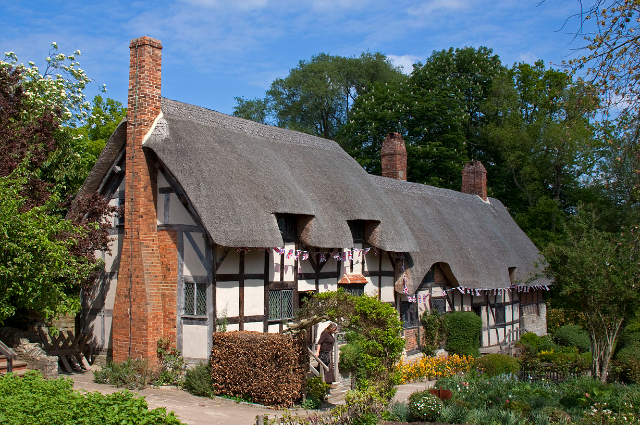
There’s something strangely comforting about the worlds we build online. Soft linen curtains, sunlit kitchens, fresh flowers in a mason jar, a loaf of freshly baked bread resting on a wooden counter. For a lot of young people, the cottagecore aesthetic didn’t start as a trend. It felt like a fantasy they could step into when the real world felt too loud. But the moment these little fantasies became global trends, everything shifted. Suddenly, cottagecore and dark academia weren’t just moods or vibes. They became lifestyles with price tags attached.
The roots of this whole movement go back to the early pandemic years. People were stuck at home, craving something gentle, something that made their days feel poetic instead of repetitive. Social media picked up on this longing and amplified it until it became an entire cultural wave. Pages began to fill with vintage dresses, old books stacked like props, brass candlesticks, handmade pottery, like a life pulled out from a storybook. But behind the aesthetic was a quiet pressure to constantly curate, to constantly buy, to constantly look like you lived inside that fantasy.
What makes this whole aesthetic spiral even more obvious is how rooted it is in real patterns we’ve already seen online. During the pandemic, cottagecore didn’t just trend for fun. Forbes actually reported how Gen Z pushed a massive spike in demand for cottagecore-themed clothing, home decor, crafting supplies and anything that carried that dreamy, pastoral vibe. It wasn’t just inspiration anymore; it became a full-blown shopping culture. And you can see the emotional cost of that shift in the way people talk about it on Reddit. There are entire threads where users confess they feel pressured to keep buying props so their rooms match the soft fantasy that pops up on their feeds every day. Some even admit the aesthetic hurts their wallets more than they expected, because the items that look simple online are usually pricey vintage pieces or handmade goods. On top of that, a lot of digital culture analysts highlight how heavily filtered these aesthetics are. The photos are edited. The lighting is staged. The outfits are curated specifically for the camera. So when someone tries to recreate this offline, the gap between the image and the real world is huge. People end up overspending just to catch up with a lifestyle that was never as effortless as it looked in the first place.
That response told a bigger story about what these aesthetics are doing to young people. Cottagecore, dark academia, clean girl, minimalism, coquette- these trends look like soft escapes, but the expectations behind them are heavy. There’s an unspoken rule that if you want to live inside these aesthetics, you have to buy your way in, becoming a cycle where the illusion demands constant maintenance. People keep spending even when they know it hurts, because the fantasy feels sweeter than their reality.
Youth today are especially vulnerable because so much of their identity is shaped online. They watch creators build dreamlike lives with thrifted cardigans and vintage lamps, and for a moment, it feels reachable. But they don’t see the sponsored deals, the returns, the piles of unused items off-camera. They only see the result, and the comparison burns quietly. When you mix emotional escapism with a constant need to look aesthetically consistent, the result is predictable. Overspending. Guilt. Anxiety. A feeling that your real life isn’t enough unless it matches your curated one.
Older generations experience it differently. Many of them look at these trends with curiosity, even admiration. Some try to adopt small pieces of it, like cosy home decor or leather-bound journals. But the emotional pull isn’t as intense for them. The core audience driving this movement is still the youth, especially young women, who feel this pressure to construct a life that photographs well.
What makes all of this even heavier is the pace of social media. Trends don’t last long anymore. Cottagecore surged, then dark academia took over, then soft girl, then coquette, then clean girl; we’re in a season of constant aesthetic shifts. Just when someone manages to build their ‘perfect look’, the internet changes the rules. People chase the next vibe the same way a student chases deadlines. It becomes exhausting, financially and emotionally.
And yet the desire behind it all is very human. People want beauty. They want peace. They want control over at least one corner of their lives. Cottagecore promises softness. Dark academia promises depth. Minimalism promises calm. These trends sell a mood people crave, and maybe that’s why they’re growing faster each year. Life feels unstable for so many, especially the younger generation. They reach for anything that makes them feel grounded, even if the grounding is temporary and costs more than it should.
The cottagecore conundrum isn’t really about picnics, vintage dresses, or moody libraries; it’s about how easy it is to lose yourself while trying to build a prettier version of your life. Social media tells people to find their aesthetic, but in the process, many lose their identity. They forget that these trends were meant to inspire, not imprison.
At some point, fantasy should meet reality without hurting it. And maybe that starts with choosing moments that feel real instead of moments that ‘look perfect’.
References:
- Gen Z Is Driving Demand For Cottagecore Goods
- Cottagecore Fashion Market Statistics 2025 – best colourful socks
- TikTok's Cottagecore Influencers Explain the Trend