
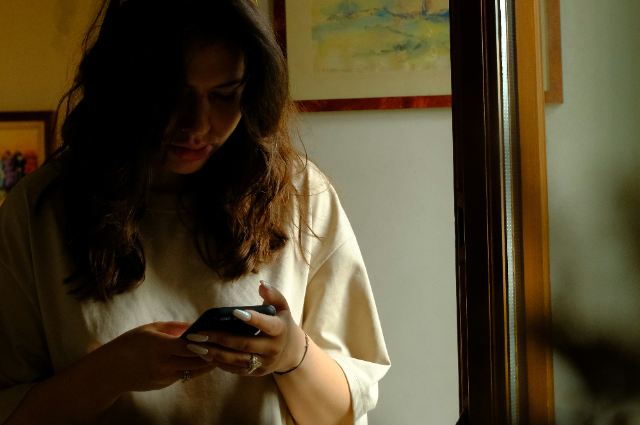
Photo by Vlad Patana on Unsplash
Digital breaks always sound like a breath of fresh air. People talk about them the way they talk about morning walks or green smoothies, something you’re supposed to do for your mind. The moment you log out, though, a strange feeling creeps in. It’s that quiet guilt that sits at the back of your chest, the one whispering that you’re falling behind on everything the world is doing. I’ve watched this happen to so many young people around me, and it’s something I’ve felt too, almost like you owe the internet a certain level of presence. Over time this pressure to catch up forms a kind of emotional debt. You step away for clarity and return with a list of things your brain insists you must ‘make up for’.
A clear example of how this cycle took root showed up in late 2023 when a wave of digital detox challenged flooded TikTok and Instagram. A popular creator named Ava Delaney started a thirty day offline routine after noticing how scattered she felt from constant scrolling. Her first video about taking break barely got attention. The comeback one soared. She returned after a month with a shaky voice and a long confession of how she felt overwhelmed by the number of trends, updates and conversations she had missed. She called it ‘a mountain of catching up’, and those words stuck with millions of people who watched her talk through her anxiety. What was meant to be a healing break ended up giving her a sense of failing at online participation. That moment gave a name to what so many people already felt. Digital detox debt grew from there, passed around in conversations, jokes and serious reflections.
What makes this cycle stronger is how fast everything moves online. Social media changed tone every few hours. A sound goes viral in the morning and feels outdated by evening. People want to stay in that loop because the loop gives a sense of connection. When you step away, even for a day, everything feels like you’ve walked into a room where everyone already knows the story. It affects younger people more strongly because their social world lives on these platforms. They look for belonging there. Missing a trend or a conversation feels heavier than it should. They come back from a break and rush through endless posts trying to regain a rhythm.
Older generations feel it differently. Many of them stepped into the digital world a little later, so they treat it with a mix of curiosity and pressure. They want to understand what their children or younger colleagues are reacting to, and they feel uneasy when they can’t follow along. The feeling of digital debt hits them in the form of confusion and the fear of being outdated. I’ve seen my own relatives scroll faster than they need to just to reassure themselves that they’re still part of the present moment. It’s a strange kind of stress, one that didn't even exist fifteen years ago.
A big reason this pattern keeps growing is the way platforms are designed. Feeds never pause. They reward consistency. If you’re gone for too long, the algorithm quietly pushes you to the side. Creators talk about this openly. When they take even a short break, their reach drops and they feel like they have to work twice as hard to climb back up. That mindset trickles down to regular users. Even someone who isn’t posting content feels the weight of staying in the game. You see people checking notifications first thing in the morning because they’re scared of missing something urgent. The pressure becomes a habit that feels normal even when it’s draining.
Something else feeds into this pattern too. There’s a growing fear of being left out of major conversations. When large events happen, people rush online to understand what everyone is saying. It becomes a crowded space filled with urgency. If you’ve taken a break during these moments, catching up feels like standing outside a fast moving train trying to hop on. That pressure builds into guilt. It sits heavy on students juggling work, parents managing their time, professionals buried in deadlines and even teenagers just trying to survive school life.
This rising emotional weight shows up in small ways. People return from digital breaks and binge information like a person who skipped meals and then overeats. They scroll late into the night with tired eyes, convincing themselves they’re just trying to get back to the pace they left behind. The eerie part is that the more they try to catch up, the more behind they feel. I’ve heard friends confess that they feel silly for stressing about something as intangible as missed content, yet the stress still sits inside their chest like a stone.
All of this fuels a deeper conversation about what balance really looks like. The world feels heavily digital now, almost stitched into daily life. Some things need the online space like work, social circles, hobbies and even identity building. At the same time people crave something real they can touch, something that grounds them. You can feel this shift in the rise of phygital habits, the blend of physical and digital living. People light candles before opening their laptops, keep journals beside their screens, take phone free walks between meetings or practice hobbies that pull them into real space for a while. These little routines soften the edges of digital life and remind them that life offline doesn’t vanish when they’re not documenting it.
Digital Detox Debt will probably grow for a while because our relationship with technology keeps changing. But people are learning to notice the pattern. They’re talking about it openly, laughing about it, looking for ways to slow down without disappearing. That feels like the first step. The pressure melts a little when you realise you don’t owe the internet anything, not presence, not speed, not endless catching up. The world keeps moving, but so do you, and it’s okay to walk at a pace your mind recognises as your own.