
We’ve been taught to see waste as something useless. Something to throw away. Something that just ‘disappears’ once it leaves our sight.
But the planet doesn’t work like that.
Everything we toss away goes away somewhere. And sometimes, hidden inside what looks like trash, there’s an entire future waiting to be imagined differently.
Banana leather is one of those quiet revolutions.
Not loud. Not flashy. Just smart, deeply humane, and surprisingly beautiful.
And it really does begin with something as simple as a banana.
Where the problem starts: waste nobody talks about
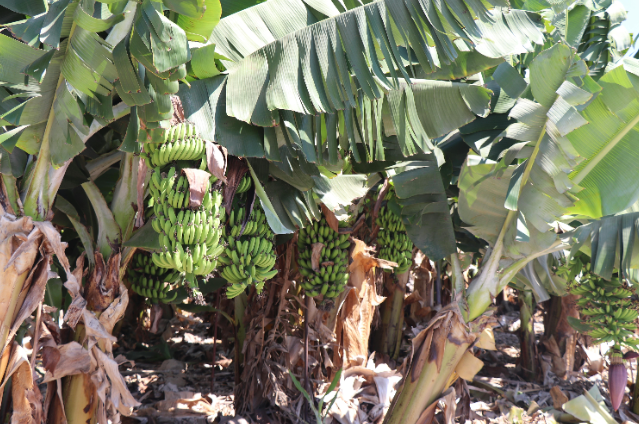
Picture a banana farm.
You see rows of broad green leaves, sunlight filtering through, bunches of bananas hanging heavy. When the fruit is harvested, something strange happens.
The plant’s job is over.
A banana plant fruits only once in its life. After that, what remains is this huge, thick stem that farmers have no use for. They either burn it or leave it to rot.
And here’s the wild part.
For every 1 kilogram of bananas we eat, there are almost 10 kilograms of plant waste lying around.
Ten times more waste than food.
Now, when that waste rots, it doesn’t just smell bad. It releases methane, a greenhouse gas far more harmful to our atmosphere than carbon dioxide. So an everyday fruit we love quietly becomes part of the climate problem.
Unless someone decides to do something different.
The ‘Magic’ nobody expected
Enter innovators like Jinali Mody, who looked at those abandoned banana stems and saw treasure.
Instead of seeing garbage, she saw fibers.
Strong. Flexible. Durable.
And then she built an entire process around them.
Here’s the magic part, the part that almost feels like alchemy. Those thick banana stems are gathered and shredded, and inside them, long silky fibers begin to appear. Instead of knives, violence, or sacrifice, there’s only patience. The fibers are gently pulled out, like threads hidden inside the plant all along. They’re washed clean and then blended with natural binders, things like plant gums and starch, so there’s no chromium, no toxic tanning brew, none of that sharp chemical smell we usually associate with leather factories. Finally, the material is shaped into sheets, pressed, dried in the sun, textured, and brushed with natural color. And somehow, from something we once called waste, you’re left holding a material that feels warm, looks luxurious, and carries a story that’s so much kinder than anything stitched from skin.
The Result?
A material that looks like leather.
Feels like leather.
Ages like leather.
But carries none of the blood, pollution, or guilt.
And honestly, it smells better, too.
Why does banana leather feel like a miracle?
The beauty of banana leather isn’t just the material.
It’s the ripple effect.
This one innovation touches almost everything.
- For the earth
Banana leather uses far less water. Compared to animal leather, it can cut water use by up to 95%. It also avoids toxic run-off, avoids methane from rotting stems, and reduces burning.
- For farmers
Something that used to rot in fields suddenly becomes income. When waste turns into raw material, farmers get a new revenue stream. Many report their earnings rising by nearly 30% simply because someone valued what they used to throw away.
- For fashion
Most ‘vegan leather’ still secretly means plastic. PU, PVC, and oil-based materials that go straight to landfills.
Banana leather is different.
It’s biodegradable. Plant-based. Cruelty-free. And rooted in circular design instead of extractive thinking.
It asks the question fashion rarely asks: ‘What if style didn’t cost the planet anything?’
When you line banana leather up next to traditional leather, the contrast feels almost unfair. Animal leather begins with slaughter, chemical tanning, and enormous water use, often more than ten thousand liters just to create a single bag. It leaves behind polluted rivers, toxic residues, and little benefit for the farmers who raise the animals. Banana leather starts from the opposite end of the story. It uses discarded stems that would have rotted, binds the fibers with natural gums and starch instead of heavy metals, and can be produced using only a fraction of the water. On top of that, farmers actually earn extra income from something that used to be thrown away. One takes life and strains ecosystems. The other upcycles waste, supports people, and gives the planet a breather.
What makes this feel even more grounded is watching innovators share their journeys.
In talks and interviews, Jinali Mody speaks with this beautiful mix of science and heart. She didn’t just want another product. She wanted something that worked with nature instead of fighting it.
Her company partners with farmers, trains local women, and builds supply chains that actually respect ecosystems.
Banana leather isn’t positioned as ‘luxury guilt’ but as ‘responsibility with beauty’.
And honestly, that shifts something inside you.
Because sustainability shouldn’t feel like punishment but a possibility.
Banana leather isn’t just about bananas.
It’s about mindset.
How many other things are we burning, dumping, ignoring, simply because we never stopped to ask what else they could become?
Agricultural waste.
Urban waste.
Household waste.
Nature rarely produces uselessness. Humans do.
Banana leather teaches something profound. Sustainability doesn’t always need grand speeches. Sometimes it just needs someone to look at waste and say, ‘There’s potential here.’
It impacts farmers who finally feel valued.
It impacts artisans who get cleaner materials to work with.
It impacts fashion lovers who want to look good without guilt.
And it impacts all of us as humans who honestly want to live lighter on this planet, without feeling constantly blamed for simply existing.
Banana leather shows that sustainability can be creative. Gentle. Innovative and even joyful.
And personally, I love that.
Because saving the world shouldn’t feel impossible. Sometimes, it can start with something small.
Something like the fruit sitting in your kitchen basket.
. . .
References:
- Banofi Leather
- Three amazing entrepreneurs were awarded the UNEP Young Champions of the Earth prize.
- From Waste to Wardrobe: Why Banana Fiber Could Be the Future of Fashion | by Muntahaa Hussaini | Medium