
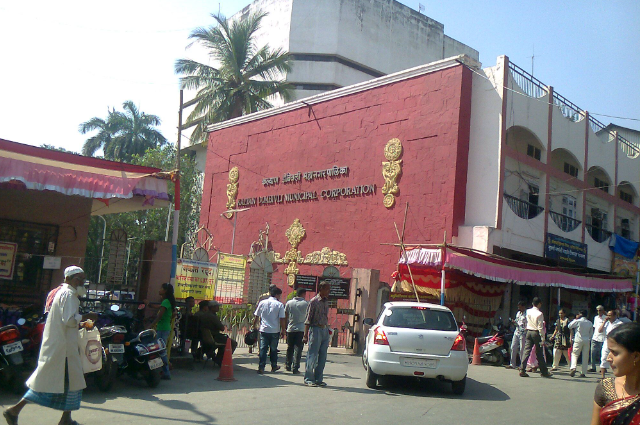
Sometimes, political damage doesn’t come from the opposition. It comes from silence, absence, and decisions made with the best intentions but poor timing. The Kalyan-Dombivli Municipal Corporation elections of early January 2026 are a textbook example of how protest politics, internal fractures, and administrative ambiguity can unintentionally tilt the scales of power.
At the centre of this storm were two parallel events. One was loud and controversial: twenty candidates from the Mahayuti alliance were declared elected unopposed. The other was quieter but just as consequential: the boycott called by the 27 Villages Struggle Committee. Together, they produced an outcome that reshaped the KDMC even before a single vote was cast.
What actually happened?
Out of 122 seats in KDMC, twenty seats were effectively sealed for the Mahayuti alliance by January 1, 2026, the final date for withdrawal of nominations. No polling. No campaigning. No choice left for voters in those wards. Nearly sixteen percent of the municipal corporation was decided without the electorate stepping into a booth.
Fourteen of these seats were won by the BJP. Six went to the Eknath Shinde-led Shiv Sena. The path was cleared not because Mahayuti swept the ground in a conventional sense, but because every rival candidate either withdrew or saw their nomination rejected.
This wasn’t random. Candidates from across the opposition spectrum dropped out of the contest—Shiv Sena, MNS, both NCP factions, and Congress. Some withdrew quietly. Others claimed coercion. A few were later disciplined by their own parties for acting without permission.
Prominent winners were declared across multiple wards. In some places, entire panels fell into Mahayuti’s lap. In others, high-profile withdrawals changed the arithmetic overnight. The result was not an electoral landslide, but an administrative vacuum in which only one alliance was left standing.
Naturally, allegations followed. Opposition leaders called it a systemic scam, not a mandate. Claims of massive bribes surfaced. Accusations were made that nomination papers of opposition candidates were rejected for minor clerical issues, while similar discrepancies were ignored in Mahayuti forms. Stories emerged of pressure calls, persuasion by ministers, and local powerbrokers ensuring a ‘clean field’.
The ruling alliance denied wrongdoing. Their argument was simple: unopposed wins reflect organisational strength and public confidence. If opponents withdrew, that was their internal failure, not a conspiracy.
But buried within this political shouting match was a crucial factor that didn’t get enough attention at first—the 27 Villages Boycott.
The 27 Villages Struggle Committee has been agitating for years for a separate municipal identity. Their demand stems from a sense of administrative neglect and fear of being swallowed by urban governance structures that don’t serve their local needs. In protest, they called for a complete boycott of the KDMC elections in their areas. No voting. No campaigning. No candidates.
The intent was resistance. The impact, however, was the absence.
By refusing to field candidates or engage in the process in specific panels, the boycott created large empty spaces in the electoral field. In a normal election, those spaces might have been filled by other opposition parties. But in this case, the opposition itself was fragmented, demoralised, and already struggling with withdrawals and rejections.
The boycott didn’t just reduce turnout; it also reduced competition.
In several panels where the 27 Villages had influence, the lack of participation meant Mahayuti candidates faced no challengers once other opposition contenders exited. What was meant to be a political statement against the system ended up smoothing the system’s path.
This is where the story becomes uncomfortable.
Boycotts rely on visibility and moral pressure. They work when they delegitimise outcomes. But in a system where unopposed victories are legally permissible, absence doesn’t stall the process. It accelerates it.
For ordinary citizens, this episode has been deeply unsettling. People woke up to news that councillors had been elected without their consent, without their vote, and without even the option to press NOTA. The idea that democracy could move forward while voters stood still created a sense of disenfranchisement that cut across party lines.
That sense has now reached the courts.
Petitions have been filed arguing that even if there’s only one candidate, voters should still be allowed to vote and exercise the NOTA option. The argument is simple yet powerful: democracy is not just about choosing between candidates, it’s about the right to reject them too. If NOTA exists, how can an unopposed win bypass it?
The State Election Commission has responded cautiously. It has not formally certified all twenty unopposed winners and has sought inquiry reports to determine whether withdrawals happened under duress, pressure, or inducement. That alone indicates institutional unease with how this unfolded.
For the Mahayuti, the short-term gain is obvious: a significant chunk of the corporation secured without campaigning. But the long-term question remains—does power gained without participation carry the same legitimacy?
For the opposition, the lesson is harsher. Fragmentation, internal distrust, and protest politics without coordination can backfire. Walking out of the process doesn’t always weaken the system you oppose. Sometimes, it hands it exactly what it needs.
And for the 27 Villages movement, the moment demands reflection. Their grievances are real. Their demands deserve attention. But when protest removes voices instead of amplifying them, who benefits?
This election didn’t just expose alleged manipulation or administrative bias. It exposed a deeper flaw in our political culture: we often confuse withdrawal with resistance.
Democracy doesn’t collapse only when votes are stolen. It also weakens when people step away, believing absence will speak louder than presence.
The KDMC episode leaves us with an uneasy question that goes beyond party politics:
In a system that keeps moving even when citizens don’t, how do we protest without disappearing?
References:
- Civic polls: Maharashtra SEC to check if pressure, allurement, coercion used for unopposed election - The Hindu
- Congress slams Mahayuti over unopposed wins in Maharashtra civic polls - The Hindu
- Congress expels two for ‘anti-party activity’, says their nomination withdrawal resulted in Mahayuti’s unopposed wins in Kalyan-Dombivli Municipal Corporation elections | Mumbai News - The Times of India