
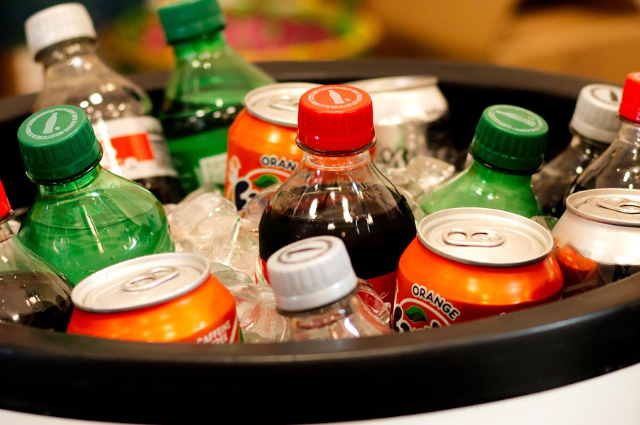
While eating a meal that qualifies as fast food, we tend to reach for a drink to fulfil the true and complete feeling of consuming a meal. In most fast food places, carbonated beverages or “cold drinks”, as we fondly refer to them in India, are the most preferred option to act as add-ins with food.
The market for soft drinks is huge in the Indian subcontinent. The demand is ever-growing due to the appeal of being fizzy, refreshing and an accessible thirst-quenching drink. The way that this linear growth affects the manufacturing process in factories is quite interesting. Just like any other consumable product, carbonated drinks require precise hygiene conditions during the process of being manufactured.
In factories, the procedure of filling bottles and cans undergoes constant progress to meet the growing needs of marketplaces. It is necessary that the final product in the making of carbonated drinks matches the food standards set by the government and does not fall behind due to sanitary conditions.
To ensure that consumption of soft drinks doesn’t result in health wars, the most important step is additional care to be taken in the treatment of water during the production process. Water acts as the base in any carbonated beverage, and special attention towards assuring the availability of clean water is the most obviously necessary step in the entirety of its creation.
The other ingredients that make up soft drinks besides water include fruit materials, carbohydrate sweeteners, bulk or intensive sweeteners, flavouring, colouring, preservatives, antioxidant and acidulant agents, and nutraceutical and functional nutrients such as vitamins, minerals, antioxidants and caffeine.
Pure phosphoric acid is a colourless, crystalline solid which is commonly used as a strong, syrupy liquid solvent in soft drinks. It provides the tangy taste that we’re used to in carbonated beverages, as well as prevents the reproduction of bacteria and mould from harming the beverage’s constitution and consumption. It is an example of an ingredient that is harmful if present in higher concentrations, but in the little quantities that it is present in soft drinks is close to harmless.
Even though it has been proven to be safe by organisations like the Food and Drug Administration that a limited consumption does not cause health issues, the composition of these drinks is a typical mixture of artificial sweeteners, additives and harmful food colourings, which can lead to obesity, dental and orthodontic issues, as well as severe shifts in metabolism.
Addiction to these commodities is a quick adaptation, and as our lifestyles already comprise finding fast solutions to filling stomachs and satisfying cravings, higher accumulation of soft drinks in our diet charts becomes a normal affair. And that is precisely where health concerns arise.
The most typical common bullseye to the dartboard of a soft drink frequenter’s health is damage to oral well-being. When you consume carbonated beverages, the sugars in the drink react with the bacteria in your mouth to produce acid.
Both regular and diet soft drinks can lead to a decline in oral health. Besides being a leading cause of cavities, over-consumption can also cause yellowing of teeth. According to dentists, the chemical produced due to the reaction between sugars and mouth bacteria can break down the enamel of our teeth, weakening them and loosening them from the gums.
Other than the dental side effects of carbonated beverages, the dissolved carbon dioxide is responsible for excessive gas and belching in one’s stomach. This can cause heartburn and a sour taste in the mouth, another reason to avoid regular intake of cold drinks.
A major concern that soft drinks can put forward is excessive calorie intake, further leading to becoming overweight and obesity risks. According to certain medical studies, it has been shown that this risk of gaining excessive weight is higher in women as compared to men and higher in adults than in comparison to children as well as adolescents.
Reducing nutrient intake in the diet is another huge health issue projected by soft drinks. It tampers with one’s diet and shuts down the hunger they feel, instead leading them towards the addictive tendency of only craving sweet foods and not partaking of the necessary fruits and vegetables in their diet plans. Their bones become weaker, skeletons fragile, and this reckless abandonment of wellness in one’s lifestyle can become something that turns them into an unrecognizably, unhealthy person.
So, it is crucial to ask oneself before we reach out for that one can of diet soda in a confectionery fridge, is this craving I feel to reach for this sweet drink worth harming my precious body and health? Is our continuous apathy regarding one more day of “cheat meals” really going to be the end of us? And that is exactly what is so strangely imminent in front of our faces, yet so misunderstood by us. If it happens once or twice, it feels right, the regulation of a habit being formed takes over, and the inevitable disaster implodes.
. . .
References: