
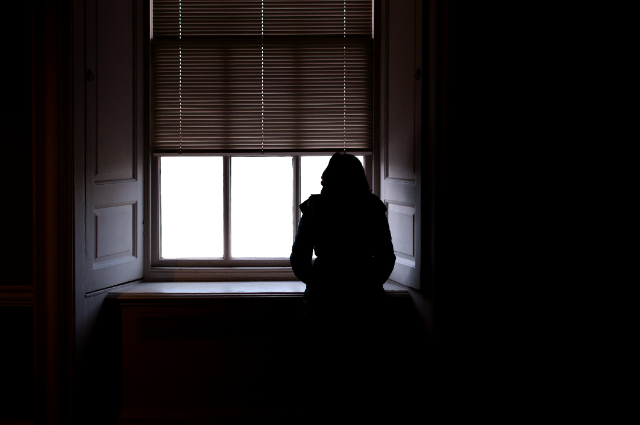
Loneliness is the predicament that arises in unknown situations. It is unpredictable and often invisible. Aloneness isn't the same as loneliness, a common misconception because one might expect a person who stays behind closed doors and locked in the confinement of four unruly walls to feel loneliness like air.
It is unexpected, loneliness. It might hit you like a rush, an uneven one, that flips you over and brings chaos to still calmness. The brightest of stars that light up rooms might be drowning in a troubled sea of loneliness, while those residing in the most upheaval-like situations could not know a tiny bit of it.
Loneliness can be painful. It is not a pleasant feeling to experience, and it is more of a hindrance in life than anything else. It can be described as a gap that prevents one from truly experiencing the full potential of a relationship with other people. One cannot have what they want without eliminating the sinking of loneliness.
Social media is an eager imposition on everybody's mental state in today's time. People feel forced to engage in and make accounts on any and every social media platform to show people around them that they exist. In ways, it has become more of a proof of existence in society rather than a way to connect with those you wish to form bonds with.
But in the echoes of social media, the ultimate tool to form connections with, one often feels more lost than found. The feeling of missing out and not having the things that others have, social media inculcates in us the need and greed for things we didn't even know we wanted. And in the light of socialism of this form, the seed of hiding is sown and becomes a form of comfort and therein blooms the wretched plant of loneliness.
Studies from a 2025 census would present it to be established that it is people in their youth, from ages ranging between 15 and 24, as well as the elderly who have escaped the norms of socialising, who feel the loneliest. Age can be a determining factor in such cases because one's development stage is an integral cause by which the testament of one's feelings towards life is proclaimed.
Another factor of loneliness is distance. Distance from loved ones, hometown, and comfort zones that do not allow someone to be as happy as they were at another point in their life. When one finds someplace or some people that bring them joy, going away from them under different circumstances can bring along feelings of the opposite nature.
Loneliness, along with depression are the taunts that haunt one's being when they are explicitly forced into a world that is too much out of comfort and so unlike the warmth and kindness they once knew. Oftentimes, this can be due to migration for education, jobs or other life-altering courses that take us far away from home.
More than 16 per cent of people all over the globe struggle with feelings of loneliness. It is such a strangely common phenomenon because there are so many humans around us, but it is so difficult to find those we truly resonate with, and that is why so many of us cannot combat this loneliness that we unwillingly carry with us.
Another misconception regarding loneliness is that it is just a mental state that has no other effect besides clinging onto one's neurons and compelling them to believe that there are no good feelings within to come rescue them. But it is so much more than simply a mental weight.
Feeling loneliness on a chronic level can bring great harm to the human heart. It can be as grave as smoking 15 cigarettes a day. It can increase the chances of facing a stroke. How a feeling can become a threat to life is truly awful and frightening.
Besides the mind, the immune system is also afraid of loneliness. Being lonely brings with it a stress quotient. The body is always in the mode of fighting with the stress that accumulates, and because the person has no one to share their problems with, it becomes a constant burden that they carry along with themselves. This never-ending stress becomes the reason that their immune systems lose their strength and cannot even fight off the smallest colds or infections.
People with chronic loneliness are more prone to dementia in older age than an average person. The toll it takes on you is beyond comprehension; it is a war within a body that is broken down by the saddening ways of an unhappening life.
In a survey organised in 2023, 95000 respondents answered questions regarding loneliness. Out of these people, over 52 per cent claimed to have felt little to large levels of loneliness in their everyday lives. The age group of 18-25 were the one with the highest levels in the survey. Other factors such as gender, anxiety levels and sleeping practices really influenced the results.
Seeking a deeper understanding and empathising with those who feel loneliness can be a few ways to bring peace to a life that is being wasted away. Everyone deserves comfort and safety, and it is in the arms of our peers and neighbours that survival can turn into feeling alive.
References:-