
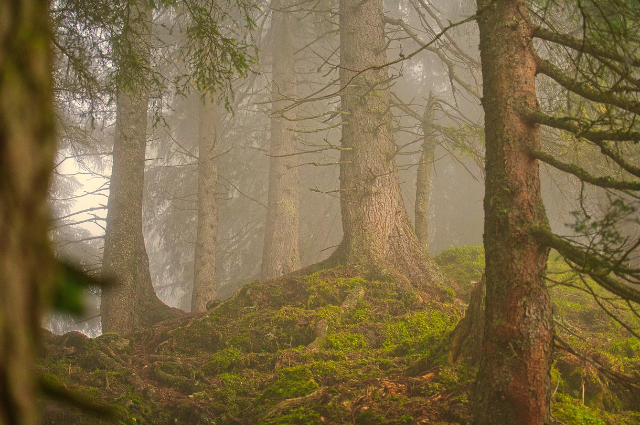
The lush ground shies away from blinding sunlight under the shade of the canopies. At every step, lies a leaf with a miraculous crunch as melodic as the birdsong that echoes through the forest. From cuckoos to golden orioles, jewel bugs to mantises, these creatures have made homes in Dol ka Badh forest, the “green lung” of Jaipur city.
It is a vast biosphere, stretching over 100 acres of land and housing 2,400+ trees as well as exotic animals like cheetahs, leopards, blue bulls and many more. For a city with a very minor percentage of forest cover, Dol ka Badh is a giant oxygen tank of a habitat. It is a breath of fresh air in a landfill of pollution.
One would believe that such a precious ecosystem would be preserved with great care. There ought to be barbed wires preventing intruders from harming Earth's gold, right? Wrong. The highly climatic city, which faces extreme temperatures at all times throughout the year, has recently been sentenced to the cruel urbanisation of this wildlife sanctuary.
The land has recently been chosen for highly developed infrastructures and commercial products with a huge net worth of around 3,700 crores on September 11, 2025. The project planned by Rajasthan Industrial Development and Investment Corporation (RIICO) includes the PM Unity Mall, a Fintech park, and Rajasthan Mandapam. This humongous development takes away from the city people not only a source of nature's magical gifts but also a sacred space filled with childhood memories and tales.
When the cool shade of the green cover shielded young children from smeltering summer sun and colourful creatures turned heads, there wasn't a chance that urbanisation could take away such a haven of greenery. It isn't merely a matter of turning "unused" land if unused meant not offering any valuable contribution to human pockets into a profitable commodity, it is taking away a home that isn't lived in, but lets them live.
The ethical concerns that this decision proved to have shouldn't have been none; turning green moors into concrete complexes doesn't add to human lives but instead takes years off of them. The natural world exists for serving its purpose, which is to inhabit wild creatures and aid domestic ones like us.
When a debate ignites on the topic of whether development is truly so important as to cause harm to something that quite literally blooms life cycles, these organisations chasing this rapid growth must ask themselves— would they rather have shorter lives or bigger ones?
The predicament of mortality is that how precious time is is recognised when quite less of it left to us, and in the rush of aiming for greatness, people forget that we are not the only citizens inhabiting this planet. And because it is so crucial to understand that how safe they feel in their lifetimes is just as important as our own comfort, those accommodating the kindness and values to recognise this have no choice but to protest against those who do not.
When the petitions to save the Dol ka Badh forest from the fierce uprooting and shift the projects to another location that didn't take away a gem of biodiversity were raised by Jaipur's common public, they were met with ice-cold apathy. Uprooting lives of sprouting shrubs and trees, rejecting proposals of turning it into a sanctuary of preserving wildlife, and creating another concrete mess that the city had had enough of, each decision pointed to one thing: no amount of pleading moved them from changing their decision.
Fierce protests led nowhere because it was land bound by legal terms and conditions; it was under their control, and they would do what they wished with it. The people found themselves disappointed, yet their fight for justice carries on. No number of closed doors prevented them from shedding sweat and tears to find an open one.
This real-life example points to the demented culture that urbanisation has brought upon natural ecosystems that should be far from human interference, particularly the ones changing the course of their being and giving them an inhumane "makeover". The government disregards the pleas of the eco-conscious people who actually raise their voices against the injustice done to our planet.
Why do they go unheard? What unreasonable demands are they making that are so outrageous to not even worth negotiating with? Are our lives so unnecessary that a bargain can't even be made to prevent them from being tampered with?
However, it is supposedly opinionated to believe that the long-term future of the planet is more important to be considered compared to what profits the multinational companies for the short present and not common knowledge or even a heartfelt response. Why should we care whether the generations to come can breathe freely, right? Right to Life can be compromised with if it brings "greater change", right?
To protect our forest, we ought to do what is, for some, the most obvious and for others, unthinkable. Bring back empathy.
References: