
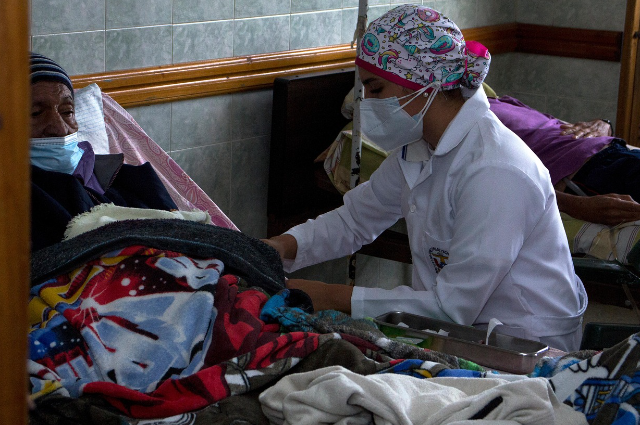
Corruption in healthcare is a shockingly common affair. It exists as widely as any other sector that one would expect it to exist in, at times, at an even larger and more critical scale. That is the irony of most cases arising through corruption and wrongdoings in India that they happen more often in the fields where integrity and justice are important factors to keep in mind.
In hospitals, local clinics, and even pharmacies, something beyond illegal is happening. A highly popularised concept and example of this corruptive burden that won’t uplift itself from the healthcare sector as a base is the burgeoning business of fake disability certificates.
A hidden, widespread network of middlemen, corrupt officials, and medical professionals exists, profiting from this venture. For a high fixed price, they issue fake disability certificates to those who demand them and earn through this illegal business.
Because these people have access to the resources required to form the chain of connections, as well as authoritative-seeming documents that are legally adjacent, without questioning just how unethical this practice is and in accordance with the greed they feel, they profit from making fake disability certificates. It is quite interesting that another field where personal gain is linked with immorality is given superiority over the authentic way of addressing their professions and regarding those who are put in grave harm’s way because of their malpractices.
Government jobs, tax reservations, pensions, as well as welfare benefits, all hold a certain reservation and priority given to those with disabilities. It is a basic set of rules that determines how necessary it is to take such measures to make their lives easier. Their disabilities are already a setback that prevents them from living with as liberty and freedom as any other person, and therefore, taking care of what it takes for them to feel more comfortable and safe within the world.
The quota for disabled people in many institutions and organisations has remained a topic of debate for many, many years. People have argued that it is an unfair situation for other candidates who deserve to have the benefits of whichever chosen institution or governance benefit they are referring to, but it is only a matter of understanding and empathy that it is similar to a head start that gives them the push required to live a life of prosperity.
To gain the benefits that are provided to these disabled people, fake disability certificates are acquired by unfair means. The advantages can be gained by presenting these fake certificates as real ones. It is a trickery that slips through the fingers of those who check the authenticity of these certificates due to the involvement of those who have gained expertise in this profession and know all that it takes to be successful at it. Perhaps it would’ve been a harmless feat, but it doesn’t appear so when it is the innocent and well-deserving people with actual disabilities who are thrown under the bus in light of this venture.
Delays in gaining benefits, strict scrutiny and humiliation are what disable people at the expense of such greedy individuals. In this corrupt practice, the after-effects faced by these helpless people are neglected in a way that is more than problematic and a hurtful, cruel disposition.
A similar situation arose in a Karnataka MBBS admission scam. Medical aspirants submitted fraudulent documents to secure a Unique Disability ID (UDID) and a seat in MBBS under disability quota. Interestingly, it was three doctors who ended up being involved in the fraud case, as they were responsible for validating documents and issuing UDIDs for students without disabilities. Police investigations were held regarding this case, another one added to the huge list of the privileged taking from the needy to gain more benefits.
It is not the first scam that increases suspicions about the workings of the system. When tougher circumstances require the assistance of higher authorities to ease lifestyles and accommodate the availability of beneficiaries provided just for them, this weakened trust breaks down their spirit more and more, turning their disability into a joke, as if what they face is only a means of gaining commodities and not a real-life problem that turns their world upside down in unimaginable ways.
One would assume that what these built-in benefits provide for the people is a means of support and dignity, but what the industry of fraudulent businesses has become leads to a world of injustice and lessened respect for their disabilities. When the people they put their trust in are involved in such cases, it is difficult to carry on efficiently and believe in the fact that the world isn’t completely unfair as a whole.
The policies that are meant to protect them and build a safer environment for them have raised the gigantic question for disabled people that they can’t seem to find the answer to: Are their needs truly so much lesser than everyone else’s wants?
References: