
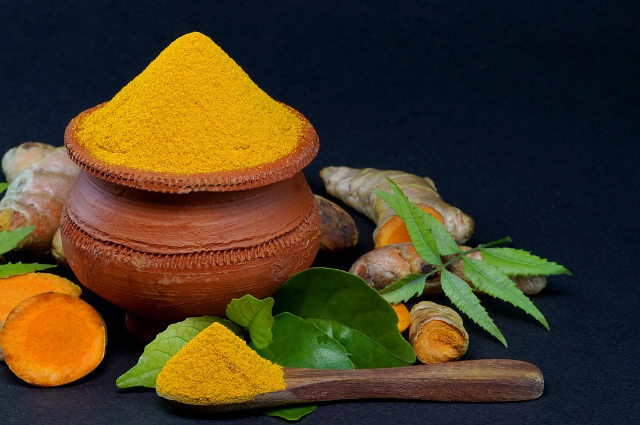
Long before serums came with dropper bottles and skincare routines had ten steps, Indian households relied on something far more powerful: nature, ritual, and consistency. Ancient Indian skincare wasn’t about instant glow—it was about long-term skin health. And what’s fascinating? Many of these age-old practices still hold up today, even with modern science backing them.
Let’s take a journey from humble haldi to luxurious kumkumadi, and explore why these traditions continue to work.
Skincare as Self-Care, Not a Shortcut
In ancient India, skincare was deeply tied to Ayurveda, which viewed skin as a reflection of internal balance. Instead of masking problems, treatments focused on improving circulation, reducing inflammation, and supporting the body’s natural healing process.
The goal wasn’t “perfect” skin—it was healthy, resilient skin.
Haldi (Turmeric): The Golden Healer
Haldi is probably the most iconic Indian skincare ingredient—and for good reason.
Why it worked then (and now): Naturally antibacterial and anti-inflammatory. Helps calm acne and minor skin infections. Brightens skin tone over time, not overnight.
Traditionally used in ubtans (herbal pastes), haldi was mixed with gram flour, milk, or rose water as an ingredient. Now, modern research confirms that the active compound of turmeric, called curcumin, plays a big role in reducing inflammation and helping support skin repair.
No wonder the ceremonies of Haldi are still a part of Indian weddings-something that makes symbolic as well as scientific sense.
How it was used:
Haldi was mixed with ingredients like milk, yoghurt, or gram flour and applied as a soft paste on the skin for cleaning and refreshing it.
Modern relevance:
Today, turmeric shows up in face masks, cleansers, and spot treatments-usually in carefully calibrated formulations to avoid staining or irritating skin.
Chandan (Sandalwood): Cooling and Calming
Sandalwood was especially valued for the cooling effect it produces, particularly in India's torrid climate.
Benefits: It helps to calm irritated and sun-exposed skin. It controls excess oil. Leaves skin balanced and calm.
Ancient texts recommended chandan for rashes, blemishes, and heat-related skin problems. You'll still find it in face packs and spot treatments today-proof that some things needn't be upgraded.
How it was used:
They also made a paste from rubbing the sandalwood with water, which was then applied to the face to freshen and soothe the skin.
Modern relevance:
Sandalwood extracts can still be found in products today for calming stressed or overheated skin.
Multani Mitti: The Detox Mask From Nature
Multani mitti (Fuller’s earth) was the original and the first clay mask.
Why it’s still relevant: It absorbs excess oil and impurities. It exfoliates dead skin very gently. It refreshes dull, tired skin. Used weekly, it helped maintain clear pores long before “detox masks” became a trend. The key then—as now—was moderation.
Traditional use:
Mixed with rose water or plain water and applied as a face pack.
Modern relevance:
Clay masks across the world follow the same basic principle—proof that ancient wisdom got it right early on.
Oils as Moisturisers, Not Enemies
Ancient Indian skincare never feared oils. Instead, it used the right oils for the right skin type. Coconut oil for sustenance and repair purposes. Sesame oil for massage and increasing circulation. Almonds for softness and brightness.
Oil massage, or "abhyanga," was more than a skin technique. It increased blood flow while relaxing the muscles and supported overall wellness. Today, dermatology accepts the importance of oil-based products in restoring the skin's surface barriers.
Kumkumadi Tailam: The Original Luxury Serum
If there is one skincare product from ancient India that had a "product of the month" kind of status or star product, it has to be the Kumkumadi Tailam. Composed of saffron, herbal ingredients, and sesame oil, this skincare solution from the Ayurvedic period aimed to: Improve complexion, reduce pigmentation, and support skin regeneration.
What is unique about kumkumadi is the combination: it is both potent and nurturing. The relationship between actives and nourishing base ingredients is what is reflected in the facial oils and serums developed for the contemporary market, which mirror this idea.
Why does it still work
Formulation: The formula concentrates on nutrition, exfoliating, and long-term skin health and not quick fixes—the way modern cosmetics are slowly drifting back to.
How it’s used today
A couple of drops, much like a facial oil or serum, at night, is the modern tweak and adaptation.
DIY Recipes
Haldi Ubtan (Glow & Cleanse):
Best for: Dull skin, mild acne, pre-shower cleanse
You’ll need: 2 tbsp besan (gram flour), ¼ tsp turmeric (haldi), 1–2 tbsp milk or plain yoghurt
(Use rose water instead if your skin is oily).
How to use: Mix the above ingredients into a smooth paste. You have to apply this to damp skin. Leave on for 5–10 minutes (don’t let it fully crack). After this, rinse gently with water.
Why it works:
Haldi is antibacterial, besan exfoliates lightly, and milk/yoghurt softens skin.
Tip: Use very little turmeric to avoid yellow staining.
Kumkumadi-Inspired Glow Oil (Beginner Version)
Best for: Dry skin, glow, nighttime care
You’ll need: 2 tbsp sweet almond oil or sesame oil, 5–6 strands saffron (kesar)
How to make: Warm the oil slightly (not hot). Add the saffron strands. Let it infuse overnight (or 24 hours).
How to use: At night, massage 2–3 drops onto clean skin. Leave overnight or wash after 30 minutes.
Why it works: Saffron brightens, oil nourishes—a simple version of traditional Kumkumadi.
Tip: Patch test first, especially if you’re acne-prone.
Chandan–Rose Calming Face Pack / Facial Mask:
Best for: Heat, Redness, Sensitive skin
You’ll need: 1 tsp chandan (sandalwood powder), rose water (as needed)
How to use: Mix Chandan with your Rose Water to form a smooth paste; apply evenly to your skin. Allow to set for 10 minutes. And wash off with cool water.
Make a smooth paste of sandalwood powder and rose water. Apply a thin layer. Leave for 10 minutes. Rinse with cool water.
Why it works:
Chandan cools and calms, while rose water will soothe the irritation.
Multani Mitti Oil-Control Mask:
Best for: Oily skin, clogged pores
You’ll need: 1 tbsp multani mitti (Fuller’s earth), Either Rose water or plain water
How to use: Mix multani mitti with either rose water or plain water until you achieve a smooth consistency, then apply an even layer, avoiding direct contact with the eyes. Allow to dry or semi-dry (about 8-10 minutes) before rinsing off.
Why it works:
It absorbs excess oil from your skin and provides a refreshing effect without harsh chemical ingredients.
Tip: You should use it once a week to maximise results and prevent skin from being over-dry due to excessive use.
Honey–Turmeric Spot Care:
Best for: Occasional pimples
You’ll need: 1 tsp raw honey and A pinch of turmeric
How to use: Use your finger or a cotton swab to apply only on the spot. Allow to set for 10-15 minutes before gently washing off.
Why it works:
Honey has antibacterial properties; Turmeric decreases inflammation.
Why These Remedies Still Work Today
Ancient Indian skincare succeeds as it is ingredient-based instead of trend-based; it promotes gentleness and consistency instead of aggressiveness; it uses Holistic methods to address both lifestyle along skin. Modern skincare often rediscover what Ayurveda already knew: healthy skin needs patience, balance, and care.
During my cousin’s wedding preparations, the house turned into a small chaos of relatives, rituals, and late nights. Amid all the salon appointments being discussed, my grandmother quietly stuck to her routine. Every morning, she mixed a pinch of haldi with chickpea flour and rose water and applied it while sitting by the window. No fancy bottles, no mirrors with lights—just habit.
On the day of the haldi ceremony, everyone laughed about how turmeric would “ruin the skin” or stain clothes. But a week later, after the exhaustion had settled in, it was my grandmother’s face that looked the most rested, calm, even-toned, and unaffected by the stress. That’s when my aunt brought out a small bottle of Kumkumadi oil, something she had been using for years at night. She explained how it was traditionally used in tiny amounts, massaged gently, not treated like a quick fix.
Out of curiosity, I tried the same routine for a few weeks—haldi once or twice a week, Kumkumadi oil at night, nothing else changed. There was no dramatic “overnight glow,” but slowly my skin felt more balanced, less irritated, and oddly consistent. It didn’t fight my skin; it worked with it.
That incident made it clear: ancient Indian skincare wasn’t about instant results or perfection. It was about patience, simplicity, and understanding what the skin actually needs—which is exactly why, centuries later, it still works.
Bringing Ancient Wisdom and These Rituals into Modern Life
You can easily incorporate some of the traditional Indian skincare practices mentioned in this article into your daily skincare routine without having to stop using your current products. For example, using an ubtan (a herbal paste), facial massage with coconut oil, or applying a turmeric face mask once a week are all simple methods of incorporating traditional Indian skincare into your daily routine. These methods are effective due to the fact that they are based on the proven results of these practices over thousands of years. You do not have to grind your herbs into powders before applying them to your face every day; there are many companies with hundreds of years of experience producing skincare items derived from traditional Indian skincare practices that have created safer and more modern versions of these items. The best way to benefit from these traditional Indian skincare practices is by choosing the products that work best for your skin, being mindful of the ingredients, and listening to your skin. Traditional Indian skincare is a reflection of the fact that, through thousands of years of trial and error, Indian culture has discovered how to achieve healthy skin.
Ancient Indian skincare isn’t about going backwards—it’s about remembering what always worked. Ancient Indian skincare wasn’t about chasing glow—it was about earning it. And centuries later, it’s still doing exactly that. In a world of ever-changing beauty trends, haldi, chandan, and kumkumadi remind us that good skincare doesn’t need reinvention—just respect for timeless wisdom.
References:
- https://oldschoolrituals.in
- https://www.sesacare.com
- https://www.bluenectar.co.in
- https://gaurisatva.com