
That $5 T-shirt hanging in your closet looks harmless. It came from a brightly lit factory you’ve seen on the news—rows of sewing machines, adult workers in uniforms, safety posters on the walls. Everything looks clean, modern, and legal. But that factory is only the surface.
Far below it, deep in the roots of global supply chains, millions of children are working completely out of sight. This is what experts call “invisible” child labour—and it’s one of the hardest human rights problems in the world to eliminate.
The Supply Chain You Never See:
Most multinational companies (MNCs) rely on a tiered supply chain, which spreads production across many layers:
Tier 1: The large factory that directly sells finished products to global brands. These are the factories that companies proudly show to journalists and auditors.
Tier 2: Smaller workshops providing components or semi-products: buttons, cloth panels, zippers.
Tier 3: Remotely located farms, home-based workshops, and home-based mines that produce natural materials such as cotton, leather, and minerals.
The brands normally oversee only T1. However, the more you descend, the less you oversee.
The Shadow Workforce:
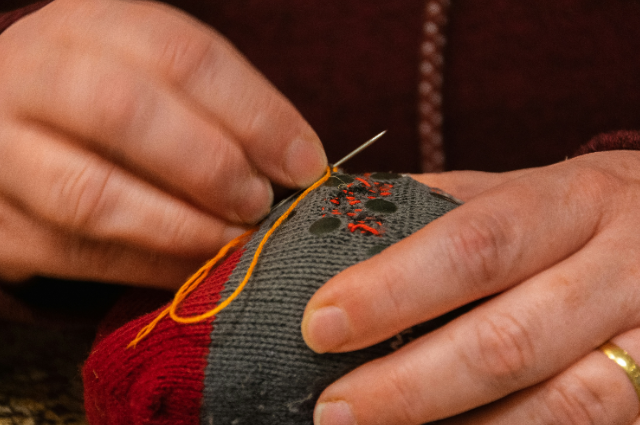
In tiers 2 & 3, the labour may occur in areas where no inspector has ever set foot, in domestic settings, in home workshops, or in ·illegal mines. This is an environment in which child labour flourishes. Children may: Pick cotton by hand, sew buttons or trim threads at home, dig for minerals like cobalt, a key ingredient in phone and laptop batteries.
Because this work happens outside formal factories, it’s effectively invisible. When audits are scheduled, children are simply sent away for the day.
The Poverty Trap:
Child labour isn’t driven by cruelty alone—it’s driven by economics.
MNCs demand extremely low prices and fast turnaround times. To survive, suppliers squeeze costs wherever they can. For families already living in poverty, bringing children into the workforce can feel like the only way to meet impossible production targets.
This creates a vicious cycle:
Low prices → lower wages → family poverty → child labour → continued low prices.
Why Is Child Labour So Hard to Stop?
Low prices and quick turnaround time are the primary drivers of MNC's, and the way that suppliers survive is by squeezing costs as much as possible. For families in extreme poverty, sending their kids into the workplace is often the only option available to them to satisfy their production quotas. This creates a cycle: Low prices → Low wages → Family poverty → Child labour → Continuing low prices.
For many decades, there have been promises to eradicate child labour by the year 2025; however, as of today, there are 138 million children still engaged in child labour. There are numerous reasons why child labour continues to be an issue:
Opaque Supply Chains: "Clean"/legally produced materials and materials produced with child labour are frequently combined and sold in local markets. After combining the materials, it becomes virtually impossible to track the origin of the combined materials.
Audit Failures: Many inspection audits are performed on a scheduled basis, and focus primarily on reviewing paperwork rather than on whether the processes being utilised in that particular location are being done correctly. Thus, audits become a "check box" for companies rather than a way for companies to verify their suppliers are doing the processes they are contracted to do.
Responsibility Gaps: Many companies have claimed that they did not have knowledge of abuses beyond their immediate suppliers. This excuse has often been accepted as a valid reason by courts.
What’s Changing Now?
For the first time, that’s starting to shift.
In late 2025, new laws such as the EU’s Corporate Due Diligence Directive began holding multinational companies legally and financially responsible for human rights abuses across their entire supply chain, not just Tier 1 factories.
This means companies can no longer look away from what happens in the shadows. They must actively identify, prevent, and address child labour—even when it occurs far from their headquarters.
A Shirt’s Journey No One Saw:
In 2023, a European fashion brand launched a new line of basic cotton shirts priced at under €6. The brand proudly published an audit report showing its Tier 1 factory in Bangladesh met international labour standards—bright floors, adult workers, time cards, and safety posters on the walls.
What the audit didn’t show was what happened two steps earlier.
The factory outsourced button stitching to a smaller Tier 2 workshop to cut costs during peak season. That workshop, overwhelmed by tight deadlines and shrinking margins, passed the work on again—this time to families in a rural village several hours away. There, parents were paid per finished bundle, not per hour. To meet quotas, children as young as 11 helped after school, stitching buttons and trimming loose threads inside their homes.
No contracts existed. No company logos appeared on the materials. The cotton itself had already passed through a local market where crops from multiple farms—some using child labour, some not—were mixed. By the time the shirt reached a European store, its paper trail was “clean.”
When a local NGO later interviewed families in the village, parents explained they knew the work was wrong but felt trapped. The price paid by the workshop barely covered food costs. Without their children’s help, they would miss deadlines and lose the work entirely.
The brand never knowingly hired children. But the pressure it applied—lower prices, faster delivery, zero tolerance for delays—created the conditions that made child labour invisible, normalised, and profitable.
The Real Cost of “Cheap”:
That bargain shirt isn’t cheap—it’s just that someone else paid the price. Until supply chains are transparent from top to bottom, child labour will remain hidden in plain sight. To end it, more than good intentions are needed. There must be accountability, more robust legislation, and consumers who realise that "what we buy is inevitably linked to how it is made because no piece of clothing should ever be made with small hands."
References: