
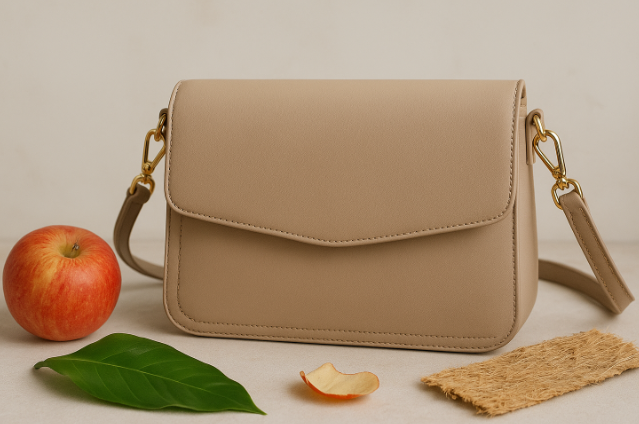
Fashion isn’t simply clothing; it reflects a person's values and their identity as well as their way of living. Nowadays, a new group of conscious consumers is changing the face of fashion. This new breed of consumer is concerned about the environmental and ethical footprint associated with their apparel choices. Vegan leather is amongst the leading materials at the intersection between fashion (style) and sustainability in India's Ethical Fashion Movement.
What Is Vegan Leather?
Vegan leather is a term for leather-like materials that are made without animal products. Unlike traditional leather, which is sourced from the raw hides and skins of various animals and tanned through a series of chemically intensive processes, vegan leather is produced utilizing plant-based, recycled, or synthetic alternatives. Indeed, from pineapple leaves and apple peels to innovative bioplastics and recycled PET bottles, the range is growing fast.
The goal? To mimic the look and feel of real leather — minus the cruelty, waste, and environmental harm.
Why the Buzz Around Vegan Leather?
The rise of vegan leather isn’t just a fad — it’s grounded in a convergence of consumer values, environmental necessity, and technological innovation. Here’s what makes it stand out:
Ethical Fashion Without Compromise:
For many Indian consumers, cruelty-free fashion is no longer niche. Vegan leather offers a way to enjoy chic accessories and apparel while standing against animal exploitation. It aligns with the cultural values of ahimsa (non-violence) that resonate deeply in India.
Environmental Awareness:
Vegan leather has emerged as an environmentally-friendly alternative to traditional leather, which has been deemed harmful to the environment due to its high water consumption and toxic byproducts generated by the use of chemicals such as chromium. Unlike traditional leather, plant-derived alternatives substantially reduce water usage, carbon emissions, and soil contamination; however, each material has its own sustainability factors to consider before using it. Not all vegan leathers are equally sustainable, but trends show that the overall sustainability of these materials is improving over time.
Style Meets Functionality:
Early vegan leathers sometimes lacked durability or aesthetic appeal. Today’s versions — especially premium plant-derived options — offer sleek finishes, strength, and versatility. From handbags and belts to shoes and jackets, vegan leather now competes with conventional leather in both function and fashion.
The Indian Conscious Consumer: Who Are They?
India's vegan leather movement is powered by a growing section of environmentally and ethically aware consumers, especially among millennials and Gen Z. They are: Educated on the environmental cost of conventional fashion. Influenced by global sustainability movements and local social values. Intentional about supporting brands with transparent ethical practices.
Social media also plays a big role. Platforms like Instagram and Pinterest aren’t just trend hubs — they’re spaces where conscious fashion is showcased, discussed, and elevated.
Materials Powering Vegan Leather in India:
Indian brands and innovators are experimenting with exciting vegan leather sources, including:
- Pineapple Leather (Piñatex): Made from pineapple leaf fibers — strong, breathable, and plant-based.
- Apple Skin Leather: Derived from apple waste, offering a soft and supple texture.
- Cork Leather: Lightweight and naturally water-resistant.
- Recycled PU and Polyester: Durable and widely used, though with varying environmental trade-offs.
Each material has its own environmental profile, and informed consumers are learning to balance aesthetics with sustainability metrics.
Indian Brands Leading the Charge:
The rise in the popularity of vegan leather by some forward-looking brands is part and parcel of a booming creative sector in India. Here are three examples of pioneering companies leading the way: No Nasties - A company dedicated to creating organic (non-synthetic) clothing and footwear, including vegan options; Bhava Studios - They are creating high-end vegan leather products using traditional skills; and Koda - Is committed to creating eco-friendly vegan leather products that are produced through ethical means, i.e. using eco-friendly materials and processes.
These brands aren’t just selling products — they’re telling stories of heritage, sustainability, and conscious creation.
Challenges and Critiques:
While vegan leather has immense promise, it’s not without criticisms:
- Environmental Trade-offs: Some vegan leathers, particularly PVC-based ones, have their own ecological issues.
- Durability Questions: Not all vegan materials match the longevity of high-quality animal leather.
- Greenwashing: As the trend grows, some brands may exaggerate their sustainability claims.
The conscious consumer must stay informed, seek third-party certifications, and ask brands about material sourcing and manufacturing practices.
The Future of Cruelty-Free Fashion in India:
Vegan Leather represents a larger transition within Indian Fashion that has shifted from the idea of "passive consumption" to "purpose-driven lifestyle choices." Technological advancements have allowed for the commercial implementation of new types of materials, including lab-grown leather, mushroom leather (mycelium), and other bio-fabricated options. The changing culture, consumer awareness, and demand for vegan leather will involve fashion companies locating their manufacturing processes to decrease the environmental impact of their products through greater transparency, ethical manufacturing practices, and societal responsibility of producers.
The Shift in Premium Lifestyle Consumption, where ethical sourcing and PETA-approved, high-quality vegan leather are prioritized over traditional leather goods:
The Rise of Ethical Luxury: Why Vegan Leather Is Redefining Premium Lifestyle Consumption
The premium lifestyle market is experiencing a significant transition. Luxury was once perceived primarily as unique and elite commodities produced from animal-sourced materials. Today, consumers are developing new perceptions of luxury based on ethically produced materials rather than exclusively on price. Due to this new perception, there has been an increase in consumer interest toward vegan leathers that are produced using ethically sourced materials certified by PETA.
Therefore, vegan leather represents an attractive solution that mirrors how new generations of affluent consumers view their consumption habits, especially as it relates to the environmental impact of leather production as well as the impact on animal welfare. In particular, younger generations perceive the moral and ecological ramifications of purchasing luxury items made from genuine leather produce are of equal or greater significance than the luxury associated with purchasing goods produced from animal-derived materials. For this reason, ethical considerations now play an integral role in determining the purchasing habits of luxury consumers across the world.
Premium-grade vegan leathers have become a viable alternative due to their ability to combine innovation and perform responsibly as well as sustainably. Premium-grade vegan leather products are engineered to provide equal or superior performance, durability, texture, and aesthetic sophistication when compared to traditional leather. Many premium-grade vegan leather products are manufactured utilizing advanced, readily available, environmentally friendly processes utilizing bio-based or recycled materials, resulting in the creation of a type of luxury that integrates sustainability and innovation without sacrificing performance or aesthetic appeal.
PETA approval has become a powerful trust marker in this evolving landscape. For consumers, it signals that a product not only meets rigorous animal welfare standards but also supports cruelty-free innovation. Brands that adopt PETA-approved vegan leather are not just answering the call of ethics; they are creating a new narrative of luxury-one that values compassion, craftsmanship, and conscious consumption equally.
This transition says much for the wider cultural evolution wherein status has increasingly become a matter of values rather than excess. The ownership of premium vegan leather goods speaks volumes about the thoughtfulness of an individual, global awareness, and adherence to progressive ideals. With continued innovation and growing consumer expectations, there is great potential for ethical, vegan materials to move from a niche into the norm, redefining what premium lifestyle consumption looks like in the 21st century.
Zouk – India’s Vegan Leather Accessories Brand:
Zouk is a Mumbai-based direct-to-consumer (D2C) lifestyle accessories brand known for its 100% vegan leather products, especially bags, wallets, and accessories that blend Indian design sensibilities with modern functionality. From its inception, the brand committed to cruelty-free materials—earning PETA approval and carving a distinctive identity in the Indian fashion accessories market.
Brand Genesis & Vision:
Founder: Disha Singh (MBA, IIM Ahmedabad).
- Inspiration: While traveling in Kutch during her MBA, Disha observed that local handcrafted products were admired but not bought due to a lack of functionality, inspiring her to design stylish yet practical accessories.
- Vegan Commitment: After learning about the leather industry’s ethical issues, she decided that Zouk would only use vegan leather, even if that meant navigating supply and quality challenges early on.
This ethical foundation and purpose-driven approach became Zouk’s core identity and differentiator in a crowded fashion accessories market.
Product Strategy & Design:
Zouk’s products showcase a carefully crafted balance of:
- Vegan Leather Only – Cruelty-free, certified by PETA, no animal products used.
- Functional Design – From laptop bags to wallets, saddle bags, and totes, each product is practical for everyday use.
- Indian Aesthetic - Patterns and colors often reflect Indian cultural motifs, resonating with local tastes.
- Craftsmanship – Handcrafted in Mumbai by skilled artisans, supporting local livelihoods.
Customer Base & Branding:
- Consumer Love: Zouk’s vegan identity resonates with eco-conscious consumers and millennials seeking ethically made fashion.
- PETA Recognition: Awarded Best Vegan Wallets at PETA India’s Vegan Fashion Awards 2021, which amplified brand credibility.
- Brand Reach: A growing online presence and loyal customer community have fueled organic word-of-mouth growth.
This illustrates how a niche brand with authentic values and product quality can achieve strong resonance, especially among younger, values-driven consumers.
Value-Driven Messaging
Zouk doesn’t just sell bags—it sells a lifestyle choice: Cruelty-free ethos becomes an emotional motivator for customers. Brand storytelling emphasizes responsibility, sustainability, and Indian craftsmanship. Heavy use of social media (Instagram, Facebook) to engage directly with consumers. Use of influencer collaborations and user-generated content to expand reach. This approach allowed Zouk to build brand authenticity without massive traditional advertising budgets.
Summary
The fact that Zouk has been able to build a successful direct-to-consumer (D2C) vegan leather accessory business in India demonstrates that a D2C company operating in a relatively narrow segment can establish an ethical and stylish brand identity, grow its business significantly with minimal investment, and connect with today's consumers through telling authentic stories and utilizing digital marketing channels.
Establishing a brand with a compelling cause will generate loyalty even in a narrow market segment. Consumers have high expectations for product quality and performance (durability and aesthetics), and they will not sacrifice their values alone. Zouk has successfully addressed the consumer's desire for sustainable, cruelty-free fashion by producing high-quality vegan leather products. This is an example of how brand purpose and quality can create opportunities for product differentiation and increase consumer engagement in a saturated marketplace with established, traditional brands that use leather as their main product offering.
Final Thoughts
Vegan leather isn’t just an alternative; it’s a statement — a reflection of empathy, environmental consciousness, and style without sacrifice. Vegan leather is a great example of how combining tradition and innovation is a beautiful thing, especially when looking at the future of fashion. When choosing your next product, take into account the materials used and the story behind them to help you make your next fashion purchase in a more cruelty-free and sustainable manner.
. . .
References: