
India's ambitions and dreams about Viksit Bharat — a developed, self-reliant, and technologically advanced nation — are largely dependent on the extraction of raw materials that are necessary for the development of energy transitions. Materials that are quite essential in high-tech manufacturing are lithium, nickel, rare earths, tin, graphite, and molybdenum. The above-mentioned elements are not just raw materials; they are rather the foundation of industries that would be developed in the coming future—the electric vehicle industry, wind turbines, batteries, and electronics. India's quest to acquire all these resources has placed the focus on geological formations like the Aravalli Hills Range. This mountain range is one of the oldest in the world and has ignited an ethical crisis.
The Aravallis: Ancient Mountains, Modern Pressure
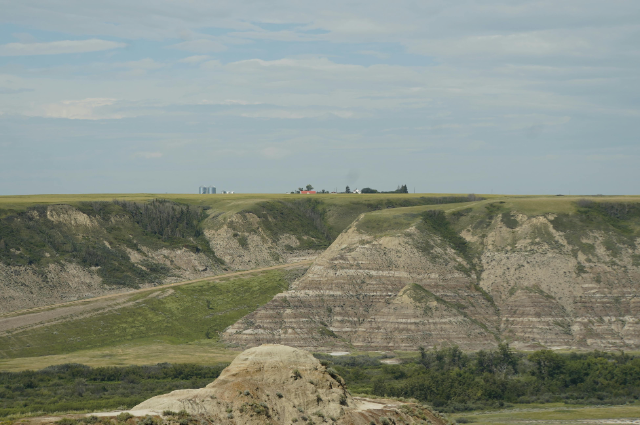
Stretching from Gujarat, Rajasthan, Haryana, through to Delhi, the Aravalli Hills feature disproportionately in maintaining environmental integrity within this region. The rock formations support the following ecological functions: Protection from the spread of desert conditions from the Thar Desert. Sites that help to replenish groundwater levels that supply what Delhi, Gurugram, and the agricultural zones rely on. Green lungs and biodiversity corridors that sustain flora, fauna, and local climate regulation.
Yet, cracks are already visible — both literally and metaphorically. Illegal mining over decades has scarred pockets of the range, causing vegetation loss, soil erosion, and depletion of water tables. Some reports even suggest that a significant portion of the hills has already been affected by unregulated quarrying.
Critical Minerals: Economic Imperatives vs. Ecological Costs
For India to reduce its dependency on imports and build competitive supply chains in semiconductors, EV batteries, renewable technologies, and defense applications, access to critical minerals is strategically important. Existing geological studies indicate that the Aravali range has potential deposits of such minerals. This is an economic opportunity that fits the development objectives.
However, such economic advantages are potentially essayed at a huge environmental cost, which might include changes to natural hydrological patterns and their long-term implications regarding water availability, as well as habitat destruction and biodiversity loss that cannot be restored through habitat destruction, in addition to changes brought about by environmental degradation to atmospheric and climatic conditions, as well as habitat characteristics regarding the effects of decreased vegetative resistance caused by landscape changes.
Such a conflict is the essence of the ethical dilemma: Can the national development goals of the country outweigh the ecological transformation of a non-renewable component?
Recent Policy Shifts and Public Response:
Towards the end of 2025, the Supreme Court of India supported a new definition of what the Aravalli range of hills constitutes - a move meant to bring clarity to land classification and mining regulations. According to the new definition, the minimum height of a hill to be considered part of the Aravali range should be at least 100 metres above the surrounding land to be formally considered as part of the range.
However, the government has maintained that this proposed framework would help improve protected areas, as most of the range would still fall under environmental protection, with mining, even for strategic minerals, being conducted in demarcated areas with a view to ensuring environmental sustainability.
But critics argue that this definition dangerously excludes many ecologically vital low-lying formations, potentially exposing up to 90 % of the former Aravalli landscape to mining, infrastructure development, and construction pressures.
Environmentalists, tribal organisations, students, and civil society groups have responded with protests and campaigns under slogans like #SaveAravalli, warning that these changes could accelerate desertification, water scarcity, and biodiversity loss across North India.
Ethical Dimensions: Who Pays the Price?
This is not merely a policy debate; it represents an ethical crossroads:
Intergenerational Justice:
The Aravallis have developed over many billions of years, and the value of many of the ecological services (e.g., recharge of groundwater, buffering climate, etc.) associated with them is essentially, at least in the case of the Arawallian Ecosystem, billions of years in length. When a tradeoff benefits one generation economically at the expense of all future generations with respect to the environment, it imposes a greater burden on future generations of Indians.
Equity and Local Livelihoods:
Tribal peoples and other communities that live near and around the Aravallis bear a disproportionate amount of the impact associated with the degradation of those ecosystems. The destruction of forests and evaporation of water sources undermines Indigenous cultures and livelihoods.
Environmental Rights:
The recent introduction of a definition for the right to clean air, water, and a healthy environment in India, and the recognition of environmental rights as an additional component of human rights in various parts of the world, indicate that the future sustainability of a strong nation will require the consideration of environmental rights within the framework of human rights when making decisions affecting or altering the environment on a global scale.
Finding a Path Forward:
Balancing development with ecological integrity requires nuanced frameworks that go beyond simple cost-benefit analysis. Some potential approaches include: Sustainable mining plans that strictly limit extraction to scientifically defined zones with minimal ecological impact. Community-led conservation strategies that include affected populations in decision-making. Investment in recycling and the circular economy to reduce pressure on new mineral extraction. Robust legal protections and enforcement to clamp down on illegal mining and protect sensitive zones.
Incident: Lithium Beneath the Hills
In 2026, a small village near Tijara in Rajasthan, lying on the fringe of the Aravalli range, made national headlines. Geological surveys conducted under India’s Critical Minerals Mission confirmed the presence of lithium and rare earth elements—key materials needed for electric vehicles, solar storage, and defence technology.
For the government, this discovery aligned perfectly with the vision of Viksit Bharat: reducing dependence on imports, accelerating green energy, and creating jobs in one of India’s most economically backward regions.
Within months, mining leases were fast-tracked. Roads were widened, trees were cleared, and drilling machines arrived. But for the villagers, the development came at a cost. The Aravallis were not just hills—they were natural water reservoirs. Within a year of exploratory mining, two seasonal streams dried up earlier than usual. Groundwater levels dropped sharply, forcing women to walk farther for water. Respiratory illness in children, the elderly, and agricultural productivity due to Increased dust emissions from drilling operations.
Local ecological advocates have alerted that the Aravalli range serves a critical role in shielding NCR cities from extreme desertification and heat, and therefore should not be harmed through the exploitation of minerals. They warned that the removal of minerals within the Aravallis may lead to unintended consequences on the ecology and community that are not visible for decades, ultimately undermining the foundation of sustainability within these regions.
The ethical and moral dimensions have become complicated by the division within the community over the issues of compensation. Some families in the area accepted offers for jobs and cash payment to support the continued operation of the program, considering this to be a rare opportunity for economic improvement that they would otherwise have access to; however, for other members of the community, the fear of losing family land and displacement was sufficient justification for declining the offers. In some media circles, the protests were labelled anti-development and by the activist community as “greenwashing”—destroying the environment under the guise of developing clean energy.
The government is now confronted with the difficult decision of whether it can legitimately refer to itself as a developed country when the economic advancement of the country has come at the cost of environmental degradation and social inequality.
The government halted the project for an independent environmental assessment, which highlighted the main issue concerning Viksit Bharat: balancing development and sustainability, and how national interests weigh against local populations.
A Test of India’s Aspirations
The Aravalli Range's journey represents an ethical conflict for Viksit Bharat: Is it possible for a nation to rapidly advance economically and technologically without jeopardizing its ecological base? Environmental sustainability and assurance of critical minerals cannot be merely viewed as technical questions; they are also ethical questions. Ultimately, we must make decisions today that will determine not just the path of future development in India, but the legacy of environmental stewardship we leave for our children to come.
References:
- https://timesofindia.indiatimes.com
- https://www.outlookbusiness.com
- https://indianexpress.com
- https://english.bharatexpress.com