
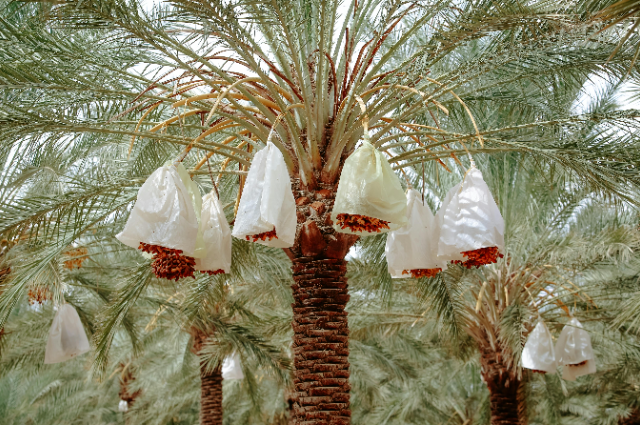
In many parts of South and Southeast Asia, raw date palm sap is a cherished seasonal delicacy. Collected fresh from date palm trees during the cooler months, it’s enjoyed for its sweet taste and cultural significance. But behind this tradition lies a serious public health risk: Nipah virus infection. Understanding how raw date palm sap can transmit Nipah virus is essential for protecting communities—without dismissing cultural practices.
What Is the Nipah Virus?
Nipah virus is a zoonotic virus; that is, it passes from animals to humans. Nipah virus infection was first reported in 1998 when an outbreak occurred in Malaysia. Since then, there have been a number of outbreaks, mainly in Bangladesh and India. Nipah virus infection manifests through: Fever and Headache, Respiratory infection, Encephalitis, Coma, and Death, among others. Nipah virus infection is highly fatal, with the mortality rate being between 40% and 70%.
The Role of Fruit Bats:
These are called fruit bats or flying foxes. The fruit bats are the original hosts of this virus. Their main source of food is fruits and a drink called "sap" from date palm trees. During nights, with these fruits and sap as food and drink, the bats can: Salivate into the sap they drink, Urinate or defecate into the collection pots, Bring in partially consumed fruits. When bats are contaminated with this virus, they spread it into sap "without changing its taste, smell, or appearance."
Why Raw Date Palm Sap Is Risky:
The danger comes specifically in the raw and unprocessed form of the sap. And here’s why: "It’s collected at night when bats are most active. It’s often eaten raw or unboiled. Nipah virus survives for hours in raw sap." When people drink this infected sap, they are likely to ingest the Nipah virus themselves, which then causes infection in their bodies. Boiling the sap or fermenting it reduces the risk of contracting the Nipah virus, but people still like the raw form for its freshness.
Human-to-Human Transmission:
Moreover, the spread of the Nipah virus doesn’t just stop with one person. It has also been known to be spread by: Close association with an infected person, Exposure to bodily fluids like saliva and respiratory droplets, and taking care of sick family members without protective measures. This makes early detection and prevention especially important.
Prevention Without Losing Tradition:
The goal of public health efforts is to lessen the risk, not eradicate culture. Effective prevention measures: Using a bamboo or plastic skirt around the pots where the resin is collected to prevent bats from gaining entry. Boil the resin before consumption. Refraining from consuming fresh resin during outbreak seasons. Raising community awareness about transmission. These simple measures have been shown to dramatically lower infection risk while preserving traditional practices.
Incident: 2010 Faridpur Nipah virus outbreak in Faridpur District
Sap Collection:
In January 2010, a local sap collector (known locally as a gachhi) in a village of Faridpur District tapped several date palm trees. Clay pots were hung under cuts made in the tree trunk to collect sap overnight. At night, Fruit bats visited the trees to drink the sap. While feeding, some bats licked the sap streams and urinated or dropped saliva into the pots. The collector did not use bamboo skirts or protective coverings that could block bats.
Morning Consumption:
Early the next morning, Fresh raw date palm sap was sold in the village. Several villagers drank the sap without boiling it. Among them were a farmer, his teenage son, and a neighbour. Because the sap had been contaminated by bat secretions, it likely contained the Nipah virus.
First Illness:
About 5–10 days later (the typical incubation period), the farmer developed: Fever, Severe headache, Dizziness, Vomiting. Within a day or less, he started showing symptoms of confusion and unusual behaviour. Such symptoms show that he was suffering from encephalitis. He was taken to a local clinic and later referred to a hospital in Dhaka.
Secondary Transmission:
During the period he was being cared for, His wife, A relative, and one healthcare worker were in proximity to his respiratory fluids. The Nipah virus can be transmitted from one human to another through proximity. Hence, additional cases were identified in the days that followed.
Outbreak Detection:
When several patients were admitted to the hospital showing similar symptoms of neurological disorders, the public health officials from the Institute of Epidemiology, Disease Control and Research and the WHO started an inquiry. They interviewed the patients and their families. Traced the contacts. Looked for common factors. One common factor was identified: all the patients who were infected by the virus had consumed date palm sap from a specific region.
Environmental Investigation:
The officials visited the region from where the date palm sap was collected. They observed that: Bats were feeding from the trees. The sap was collected in a pot and left uncovered during the night. Later, tests were conducted confirming Nipah virus infection in patient samples.
Key Findings:
The results of the research were as follows: Source of infection: Raw date palm sap contaminated with bats. Mode of secondary transmission: Contact with infected patients. Risk factor: Consumption of unboiled date palm sap that had been left to collect overnight.
Public Health Response:
The public health response to the epidemic involved the implementation of several preventive strategies. The first measure was to encourage date palm sap collectors to use a skirt made of bamboo to cover the collecting pots. The second measure involved educating people to boil the sap before drinking it. The third measure involved educating people on the dangers of infection from bats. The strategies helped to reduce the number of Nipah spillover cases in the following years.
Important takeaway:
The Faridpur epidemic is recognised as one of the best-documented cases of food-borne transmission of zoonotic spillover infections from bats to humans.
While raw date palm sap may appear innocuous, it can pose an unseen threat in parts of the world that contain the Nipah virus. Protecting lives from the Nipah virus requires raising awareness about it and making small changes in behaviour, respecting one's culture and health, as well as making sure that future outbreaks do not occur. Sometimes protecting lives may not involve giving something up; sometimes, it can be accomplished simply by doing things in a slightly different way, and there are many times when simply doing things differently can prevent further outbreaks.
References: