
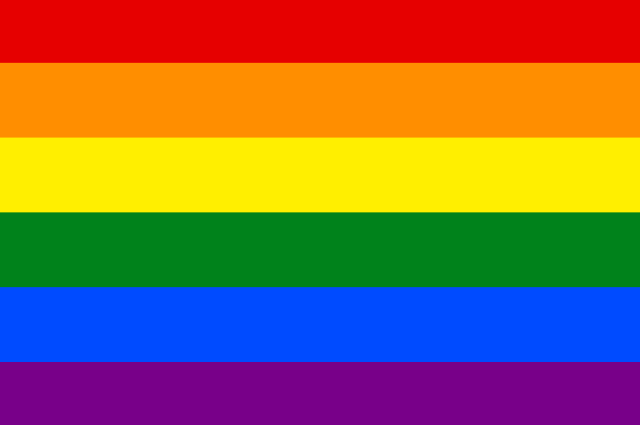
Every June, the world suddenly becomes more colourful.
Logos change. Storefronts glow in rainbow hues. Social media fills with messages about love, inclusion, and being “proud.” For a moment, it feels like progress — like acceptance has finally become mainstream.
But when June ends, something shifts.
The colours fade. The statements disappear. And for many LGBTQ+ people, the support that felt so loud and visible quietly vanishes too.
This is where discomfort begins.
Because pride was never meant to be a marketing season. It was born out of protest, resistance, and survival. It was never about selling identity back to the very people who had to fight for the right to exist openly.
Pinkwashing tends to happen in this space — when corporations adopt the language and symbols of LGBTQ+ pride without fully committing to the values behind them. When inclusion is applied as a branding strategy instead of a lived practice. When celebration replaces accountability.
And in a world where visibility is often mistaken for allyship, it becomes necessary to ask:
Is this support real, or is it simply profitable?
Pinkwashing is a word often used to describe when corporations or institutions showcase themselves as supportive of LGBTQ+ communities — often through Pride-themed products, or social media campaigns — without making meaningful efforts to support LGBTQ+ rights in practice.
This support is usually more like a seasonal one. It starts highest in June, when Pride Month becomes a profitable cultural moment, and disappears once the marketing cycle shifts strategically. While rainbow merchandise and inclusive slogans often tend to create visibility, they often mask deeper contradictions, which may be that companies profit from Pride while maintaining discriminatory workplace policies, or remaining quiet during moments when communities face discomfort.
What makes pinkwashing particularly disturbing is that it borrows from a lineage of struggle. Pride began as a way of responding to police brutality and systemic exclusion. It was a way for dignity and rights— not just a branding opportunity. When corporations had to adopt Pride imagery without aligning their internal values and external actions, they reduced a political movement to an aesthetic one.
For LGBTQ+ individuals, this can feel like being celebrated in public while being looked over in private. The rainbow is now seen as a symbol not of solidarity, but of selective allyship — which is visible when it is proper, absent when it is rather expensive.
What makes pinkwashing especially difficult is that it takes shape in the space between visibility and responsibility.
In my opinion, the problem is not that corporations participate in Pride at all — visibility can still coincide here and still matter. The problem is performative allyship: when support is minimised to aesthetics rather than action. When rainbow logos take the place of policy change. When celebration takes the place of protection. Pinkwashing progresses because it permits companies to benefit from the emotional labour and cultural power of LGBTQ+ movements without partaking in the risks. Real allyship requires a form of discomfort — taking a stand that may involve revising internal workplace policies, or publicly opposing the anti-LGBTQ+ legislation. Performance, on the other hand, only requires progressive design and a marketing budget to take full shape.
This niche is important because it asks a harder question: Is representation more meaningful if it isn’t coupled with responsibility?
A widely talked about example of pinkwashing can be observed in the practices of several big multinational corporations that actively market Pride collections while consistently funding political actors who tend to oppose LGBTQ+ rights.
For example, companies like Disney and Target have faced public scrutiny for this indifference. Disney, long praised for inclusive storytelling, was criticised in 2022 for its initial silence around Florida’s “Don’t Say Gay” bill and the legislation, which was broadly condemned for holding down the discussions of sexual orientation and gender identity in schools. While the company soon could speak up, the delay, however, revealed the urgency that existed between corporate branding and political caution.
Similarly, Target’s annual Pride collections brought about millions in revenue and were sold out as symbols of inclusion. Yet reports have shown that some corporations that were involved in Pride branding have all donated to political candidates who support policies harmful to LGBTQ+ communities. This, however, has created a moral contradiction where profits drawn from identity are now indirectly funding systems that tend to marginalise the same communities that are being celebrated.
For the LGBTQ+ consumers, this statement can feel personal in a way. Pride merchandise becomes less about approving and more about extraction — identity turned into a commodity, stripped of its political roots. The case study seems to have shown how pinkwashing permits corporations to occupy a safe middle ground, which all appear to be progressive, while avoiding accountability.
True support isn’t seasonal. Buying merch doesn’t equal allyship. Search for companies that all enforce words with policy and advocacy—even when it seems no one’s watching. Real change often comes from accountability, not aesthetics. Pinkwashing shows the space that exists between visibility and action. Pride is a movement. Companies that truly value queer rights year-round, not just in June. Visibility is powerful, but integrity is stronger.
References: